What does a mold test involve?
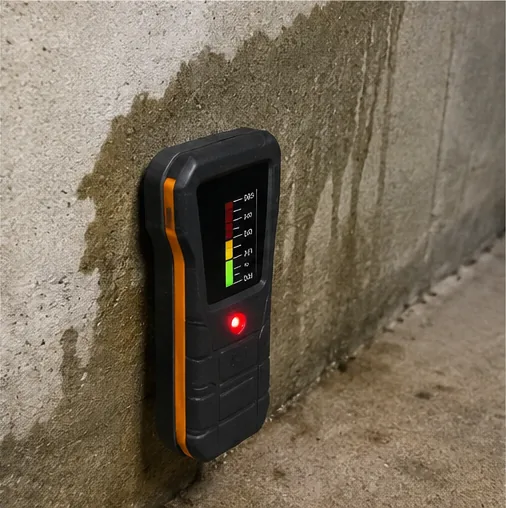
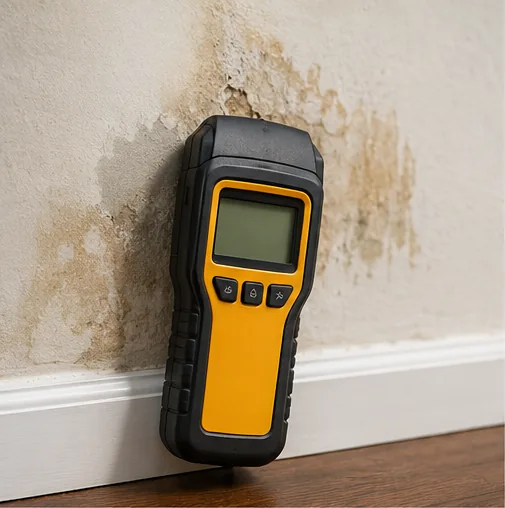
A mold test combines air sampling, surface sampling where visible growth or staining is present, and moisture mapping with a meter to locate damp materials. Samples are sent to an accredited lab, and you receive results showing the types and concentrations of mold found compared with a baseline outdoor sample.
Why is mold common in Glencoe basements?
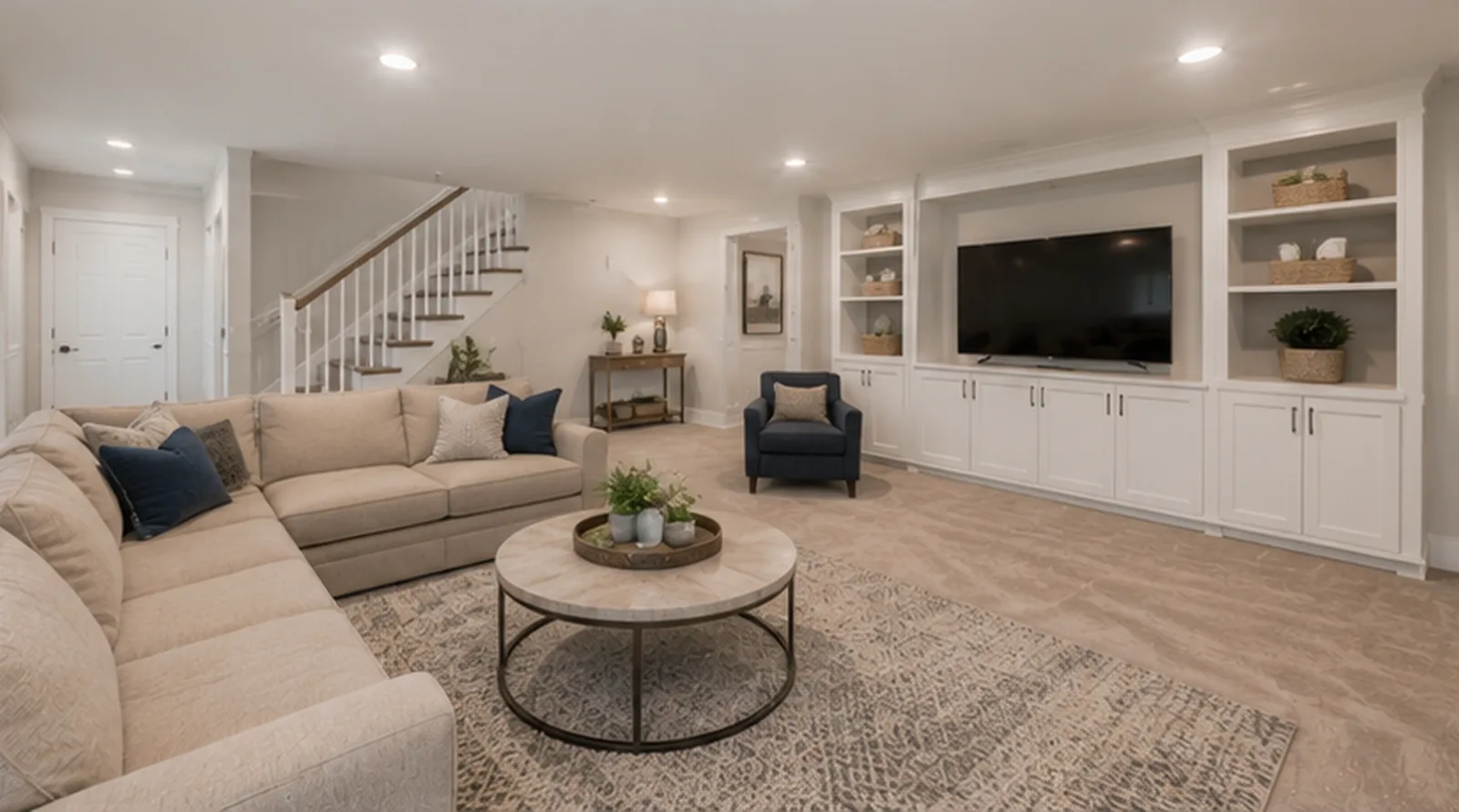
Glencoe's older basements near the historic downtown take on water through aging stone and block walls, while newer subdivision lots with grading that hasn't fully settled can channel snowmelt toward the foundation — both feeding hidden mold. Combined with tight, energy-efficient homes that hold humidity in winter, these conditions create the damp, low-airflow environments where mold thrives in Glencoe.
How much does mold testing cost?
Cost depends on the size of the home and the number of samples needed. Lab fees are included in your quote. Use the free instant quote tool on this page to see your exact price in about two minutes and schedule a time.
Can you find mold hidden behind walls?
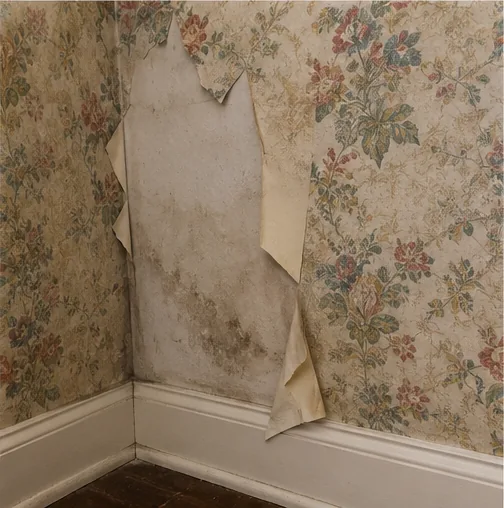
We use moisture meters and visual inspection to identify damp areas and likely hidden growth, and air sampling can reveal elevated spore counts even when no mold is visible. Testing does not require opening walls, but it points to where a problem and its moisture source are most likely located.
What should I do if mold is found?
The most important step is fixing the moisture source, because mold returns wherever water keeps coming in. Your report identifies the likely source and the affected areas so you can plan remediation and address the underlying leak, drainage, or humidity problem.