✓ InterNACHI® Master Certified ✓ 120-Point Inspection ✓ Reports in 24 Hours
📞 (320) 674-7553
Radon Testing in a Mound, MN home
⬥ Mound, MN · InterNACHI Master Certified

Radon Testing in Mound, MN

Minnesota has some of the highest radon levels in the country, and Lake Minnetonka communities like Mound are no exception — a 48-hour continuous-monitor test tells you exactly what's in the air before you buy.

★★★★★ 5-star rated✓ Documented findings✓ Bundle with your inspection
Free 2-Minute Quote

Add radon testing & book your Mound time online.

Get your free quote and pick a time. Radon Testing is easiest and most affordable when added to your home inspection.

What It Is

A 48-hour continuous radon test in your Mound home.

We place a calibrated continuous radon monitor on the lowest livable level of the home and let it log hourly readings for at least 48 hours under closed-house conditions. The result is a clear average against the EPA action level of 4.0 pCi/L — no guesswork.

Radon is a colorless, odorless radioactive gas that seeps up from the soil through foundation cracks and sump pits. You can't see or smell it, which is why testing is the only way to know — add it to your 120-point inspection before you close on a Mound home. Learn more about radon testing or about home inspection in Mound, MN.

Get Your Free Quote
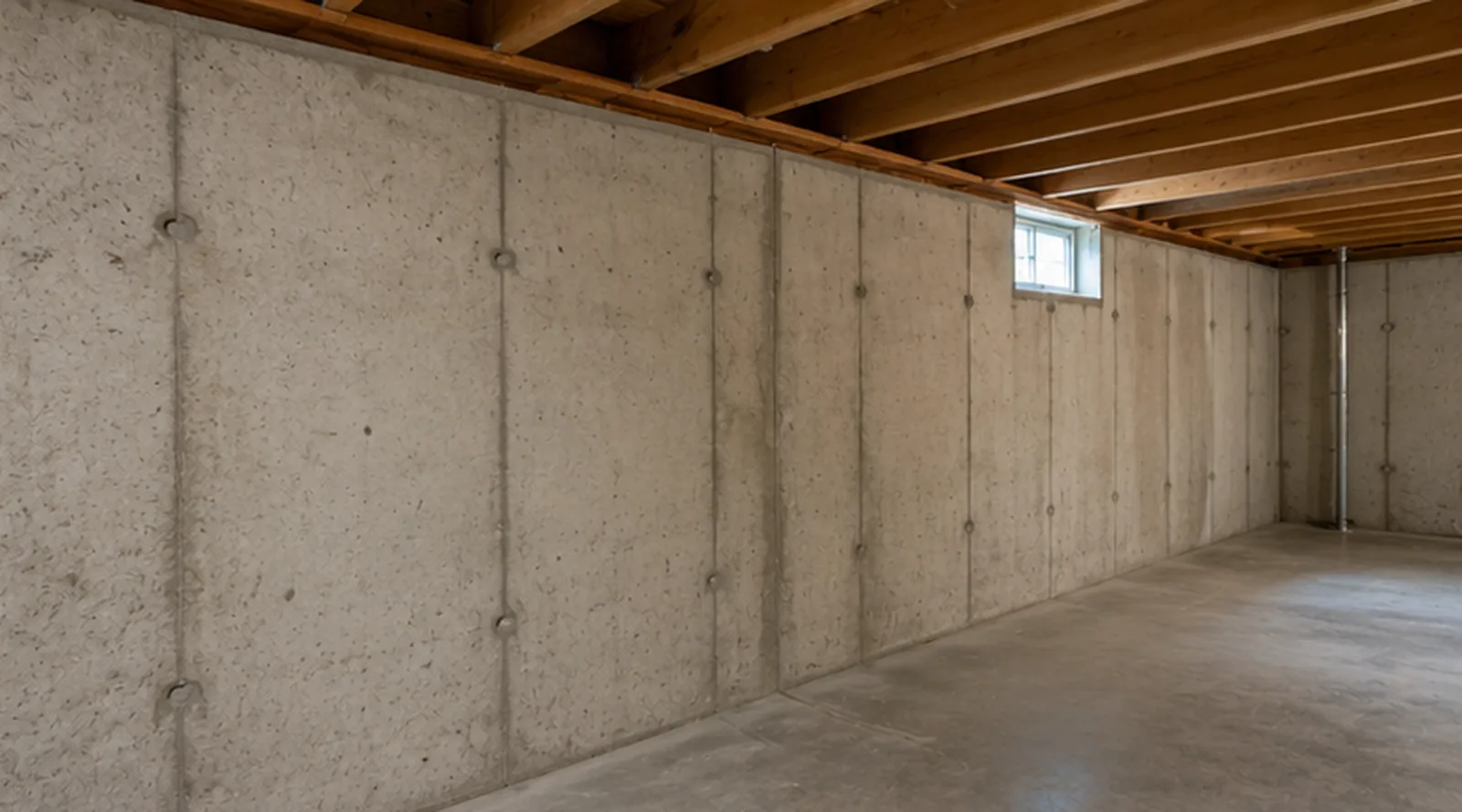
Radon Testing detail in a Mound, MN home
Why It Matters in Mound

Lakeshore foundations and finished basements — Mound's radon risk.

Mound wraps around the western bays of Lake Minnetonka with a mix of older cottages and upscale lakefront homes. Hennepin County sees elevated radon, and Mound's many finished, lived-in lower levels are exactly where the gas matters most — bedrooms and family rooms built right over the soil.

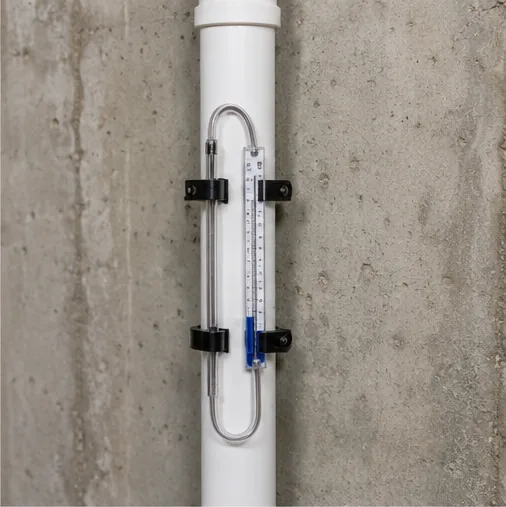
Radon test manometer on a radon mitigation pipe
Soil Gas

Hennepin County radon

Radon rises from the soil under every Mound home, and the county records plenty of houses above the EPA action level.
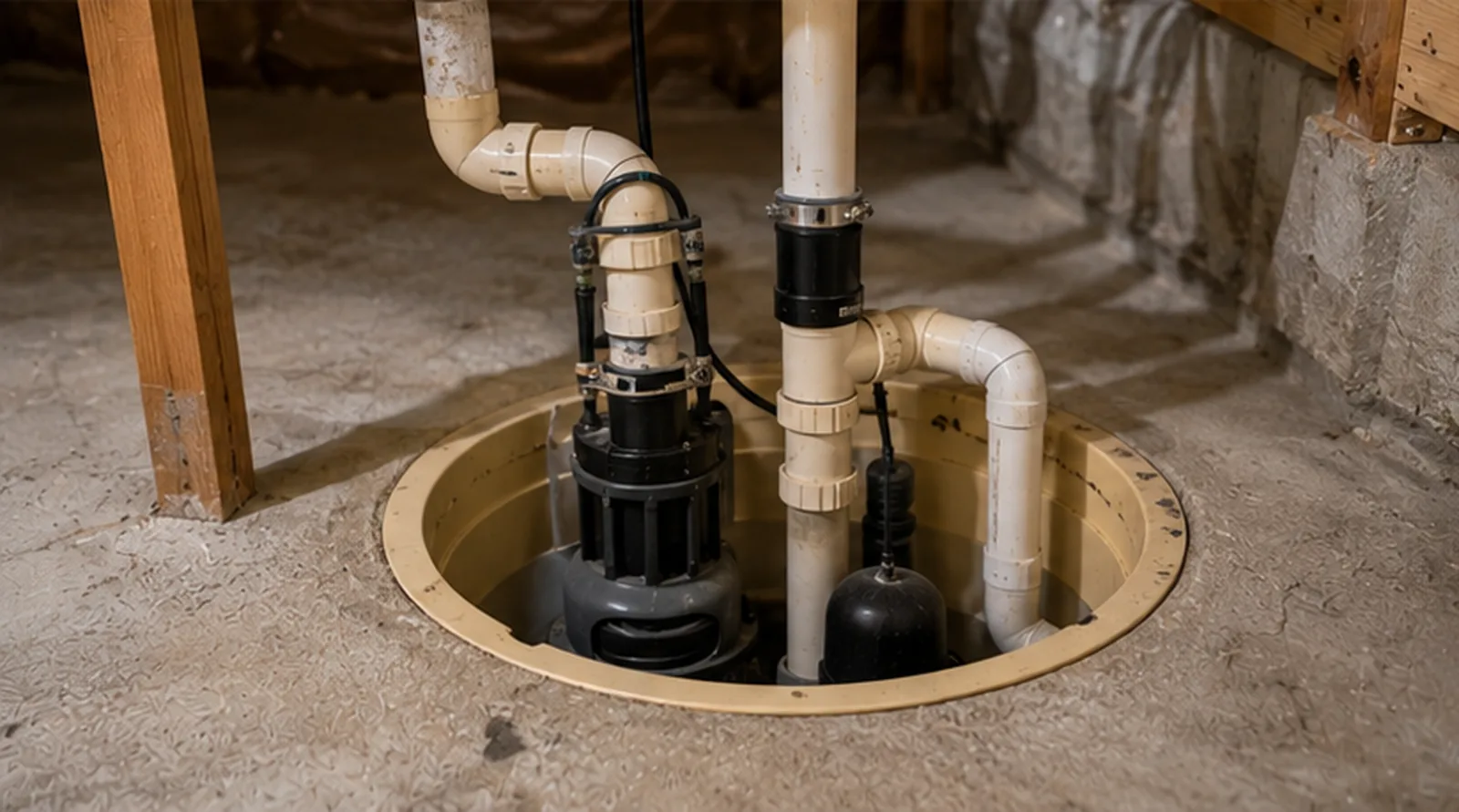
Living space at risk found during radon testing in Mound, MN
Finished Lower Levels

Living space at risk

Mound's finished walkout and lakeside basements put bedrooms and family rooms over the slab — where a radon test belongs.
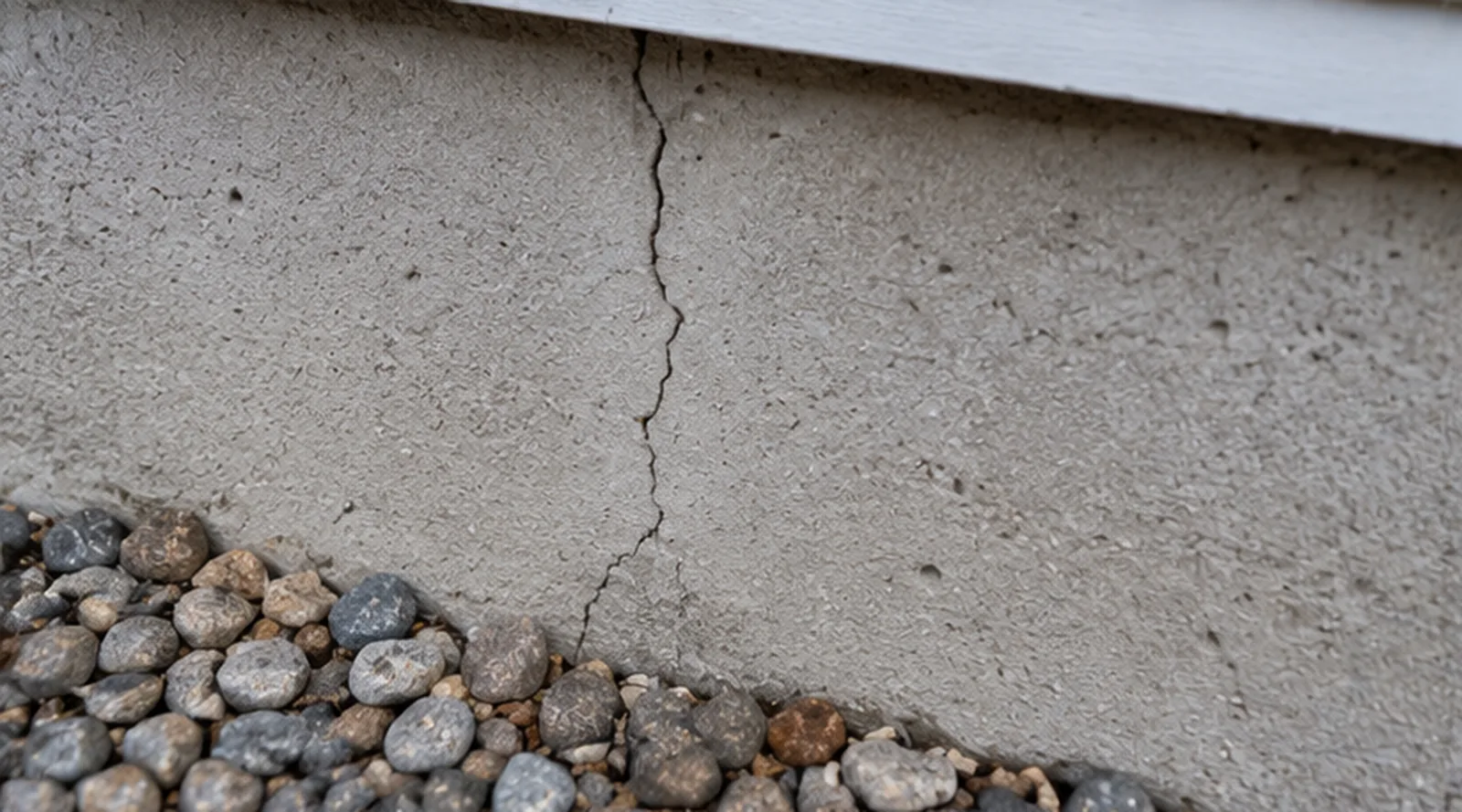
Cracks, pits and additions found during radon testing in Mound, MN
Entry Points

Cracks, pits & additions

Foundation cracks, sump pits, and the many additions on Mound cottages give radon multiple paths into the living space.

What's Included

What the Mound radon testing covers.

Continuous Monitoring

A professional-grade monitor logs hourly radon levels, not a single guess from a charcoal kit.

48-Hour Minimum

Closed-house testing over at least two days for a reliable, defensible average.

EPA Action Level

Your result compared directly to the 4.0 pCi/L EPA action threshold.

Entry-Point Review

We note foundation cracks, sump pits, and slab penetrations where radon enters.

Clear Report

Plain-language results so you know whether mitigation is worth negotiating before closing.

Mitigation Guidance

If levels are high, we explain how sub-slab depressurization systems lower them.

How It Works

Simple to add, easy to understand.

01

Add it to your quote

Select radon testing in the free quote tool above and schedule it with your Mound inspection.

02

We place the monitor

The calibrated monitor goes on the lowest livable level under closed-house conditions.

03

48+ hours of logging

The device records hourly readings to build an accurate average.

04

Get your results

We retrieve the monitor and deliver your radon level with your 24-hour report.

FAQ

Radon Testing questions for Mound, answered.

What is radon and why test for it?
Radon is a colorless, odorless radioactive gas that seeps up from soil and rock into homes through foundation cracks, sump pits, and slab penetrations. Long-term exposure is the second-leading cause of lung cancer. Because you cannot see or smell it, testing is the only way to know your level.
Why test for radon in Mound, MN?
Mound wraps around the western bays of Lake Minnetonka with a mix of older cottages and upscale lakefront homes. Hennepin County sees elevated radon, and Mound's many finished, lived-in lower levels are exactly where the gas matters most — bedrooms and family rooms built right over the soil. The EPA recommends fixing homes that test at or above 4.0 pCi/L, and the only way to know your home's number is to measure it.
How long does a radon test take?
Our continuous-monitor test runs for at least 48 hours under closed-house conditions. The device logs hourly readings to produce a reliable average, and we deliver the result with your 24-hour report.
What happens if my radon level is high?
If your result is at or above 4.0 pCi/L, a radon mitigation system — typically sub-slab depressurization that vents soil gas outside — can lower it dramatically. A high result is something you can negotiate before closing, which is why testing before you buy matters.
How much does radon testing cost?
Radon testing is most affordable when added to your home inspection. Pricing depends on the property, so use the free instant quote tool on this page to see your price in about two minutes and book a time.

Related services & service area

Pair radon testing with a full home inspection, a sewer scope, radon test, or mold testing, or learn more about home inspection in Mound, MN. We serve Mound and the surrounding Hennepin County area.

Know what's in the air before you buy in Mound.

Get Your Free Instant Quote
📞 Call Free Instant Quote