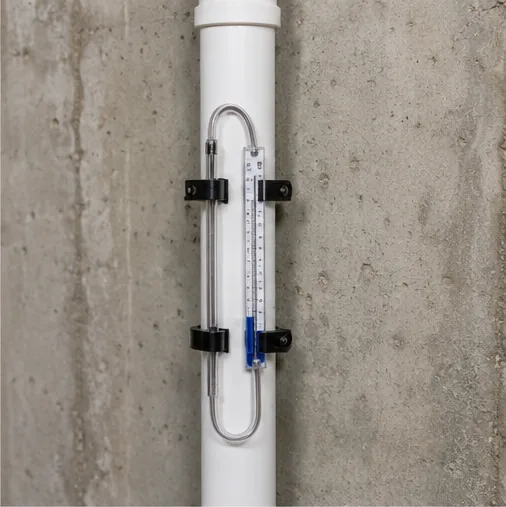
Soil Gas
Radon rises from the ground
Radon comes from uranium in the soil beneath Stewart, and the glacial and farm soils of this region produce it freely. It seeps in through any opening in contact with the ground.
Radon is the leading cause of lung cancer among non-smokers, and Minnesota has some of the highest levels in the country. In Stewart the only way to know your home's level is to test it before you buy.
Get your free quote and pick a time. Radon Testing is easiest and most affordable when added to your Stewart home inspection.
We place a calibrated continuous radon monitor on the lowest livable level of your Stewart home — usually the basement — under closed-house conditions for at least 48 hours. It records hourly readings rather than a single snapshot, giving a reliable average you can trust.
Pair it with a full 120-point inspection and you cover both the visible condition of the Stewart home and the invisible gas rising up through its foundation.
Get Your Free Quote →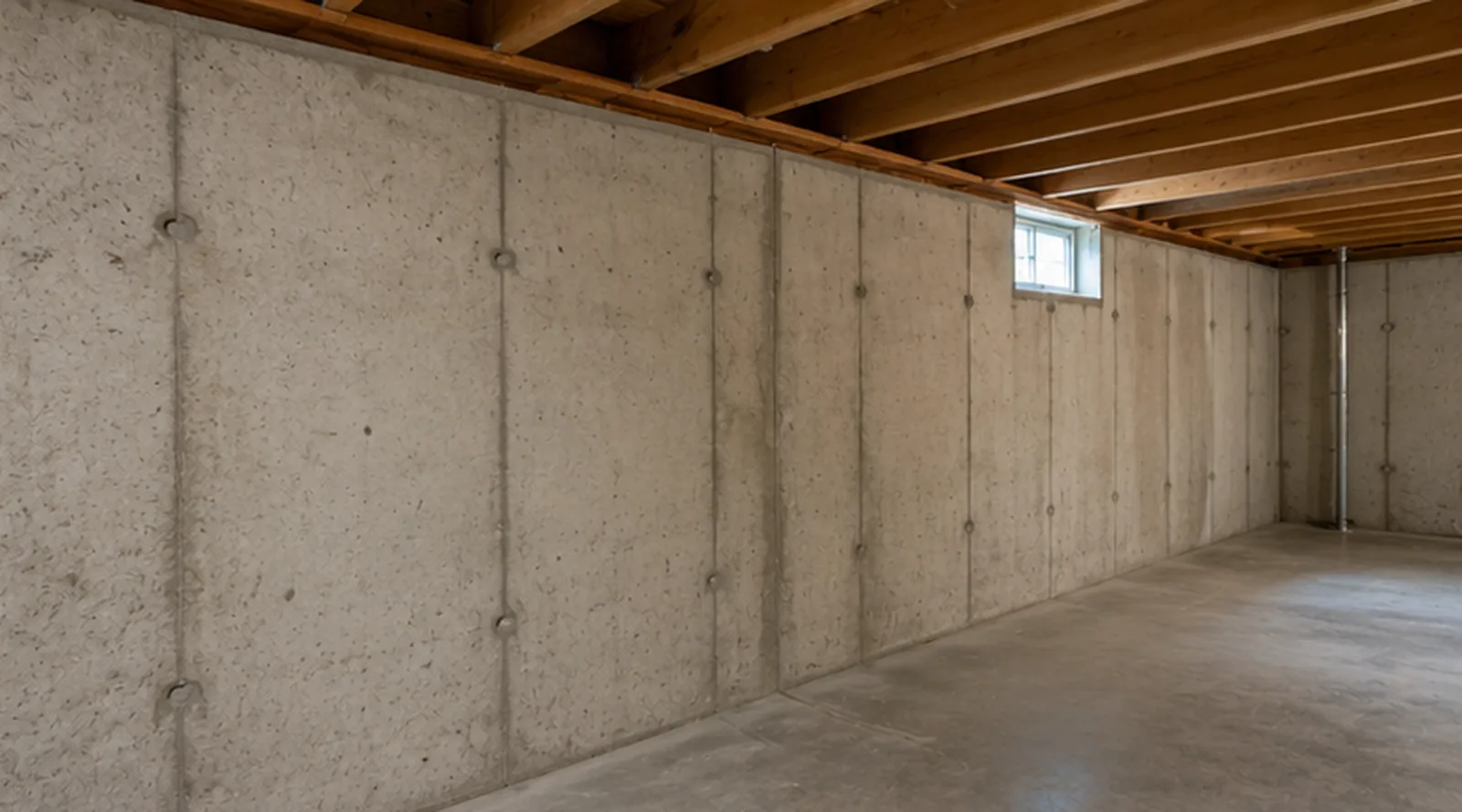
The Minnesota Department of Health reports that more than two in five Minnesota homes test above the EPA action level — and McLeod County is part of that high-radon region. Stewart sits in farm country where older homes, private wells, and acres of surrounding land define the landscape. Both town lots and country properties bring their own quirks, especially when it comes to water, drainage, and decades-old systems.
Radon comes from uranium in the soil beneath Stewart, and the glacial and farm soils of this region produce it freely. It seeps in through any opening in contact with the ground.
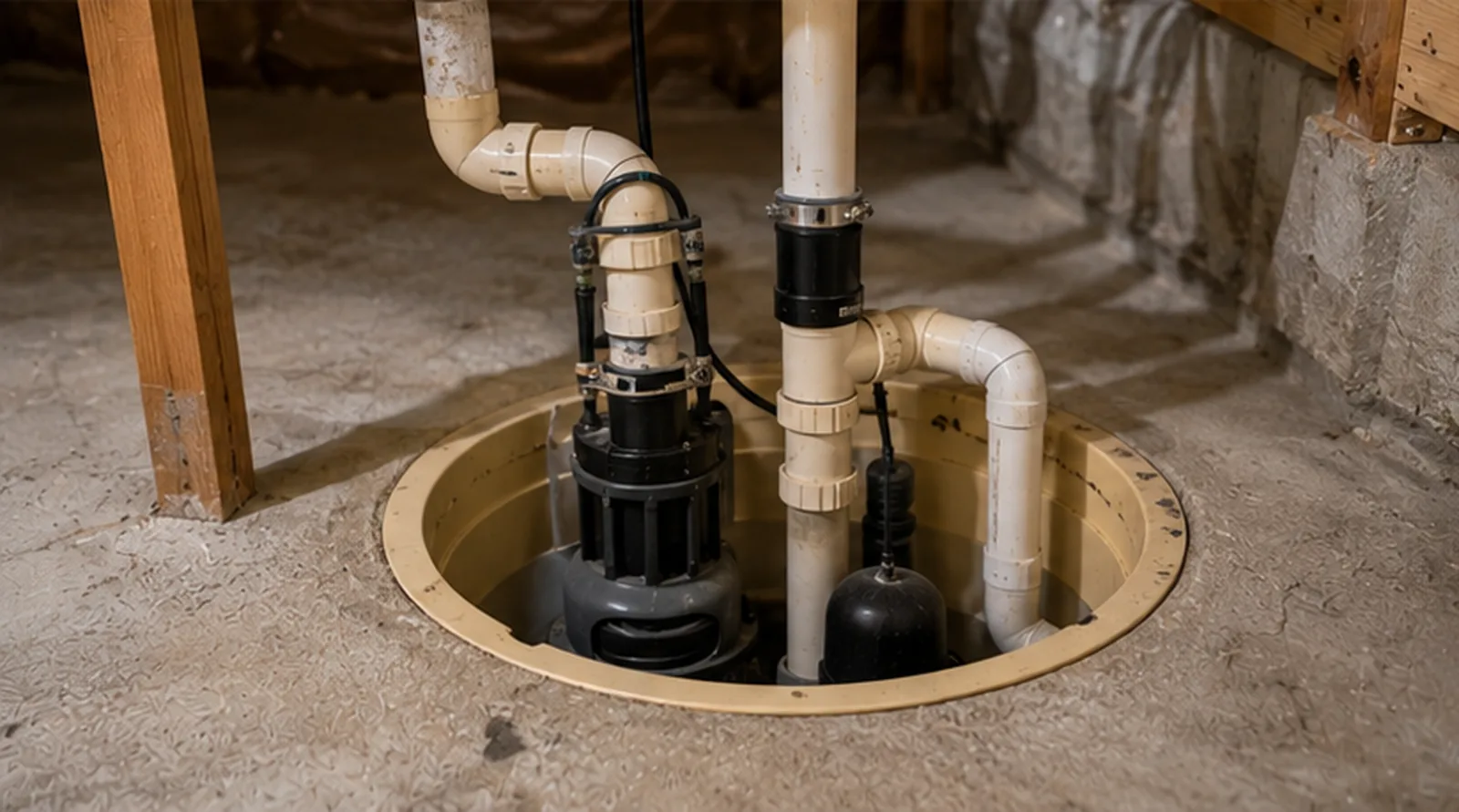
Foundation cracks, sump pits, slab penetrations, and unsealed floor-wall joints — common in older basements here — give radon a direct path indoors.
During Stewart's long heating season, homes are sealed tight and warm air rising pulls soil gas in from below, often pushing winter radon levels to their highest of the year.
A calibrated electronic monitor, not a one-time charcoal kit, for a reliable hourly-averaged reading.
Closed-house testing for at least 48 hours, the EPA-recommended protocol.
Placed where people spend time and where levels are typically highest — usually the basement.
Your result reported in picocuries per liter against the 4.0 pCi/L EPA action level.
If levels are high, plain-language notes on what a mitigation system does and why it works.
Easily added to your home inspection so you cover the home in a single visit.
Select radon testing in the free quote tool above and book it with your inspection.
A calibrated continuous monitor goes on the lowest livable level under closed-house conditions.
The monitor records hourly readings for at least 48 hours for a reliable average.
A clear pCi/L result against the 4.0 EPA action level, with next-step guidance.
Pair radon testing with a full home inspection or other specialty testing — Sewer Scope in Stewart Mold Testing in Stewart — or learn more about home inspection in Stewart, MN. From our base in Hutchinson we serve Stewart and the surrounding communities, including Hutchinson, Brownton, and Buffalo Lake. See the radon testing service overview for full details.