What is thermal imaging in a home inspection?
Thermal imaging uses an infrared camera to read the surface temperature of walls, ceilings, and floors throughout a Watertown home. Wet, poorly insulated, or electrically faulty areas sit at a different temperature than their surroundings and show up as patterns we can investigate — revealing problems no visual inspection can see.
Why is thermal imaging useful in Watertown, MN?
Watertown's Crow River setting keeps moisture close, and its split of century-old downtown homes and new Carver County builds means infrared has plenty to find on both sides — settled insulation and river dampness in the old core, skipped insulation and framing gaps in the new subdivisions. Minnesota's deep winter temperature swing makes the inside-to-outside contrast huge, so infrared is sharpest exactly when Watertown homes hide the most heat loss and moisture.
What problems can infrared find?
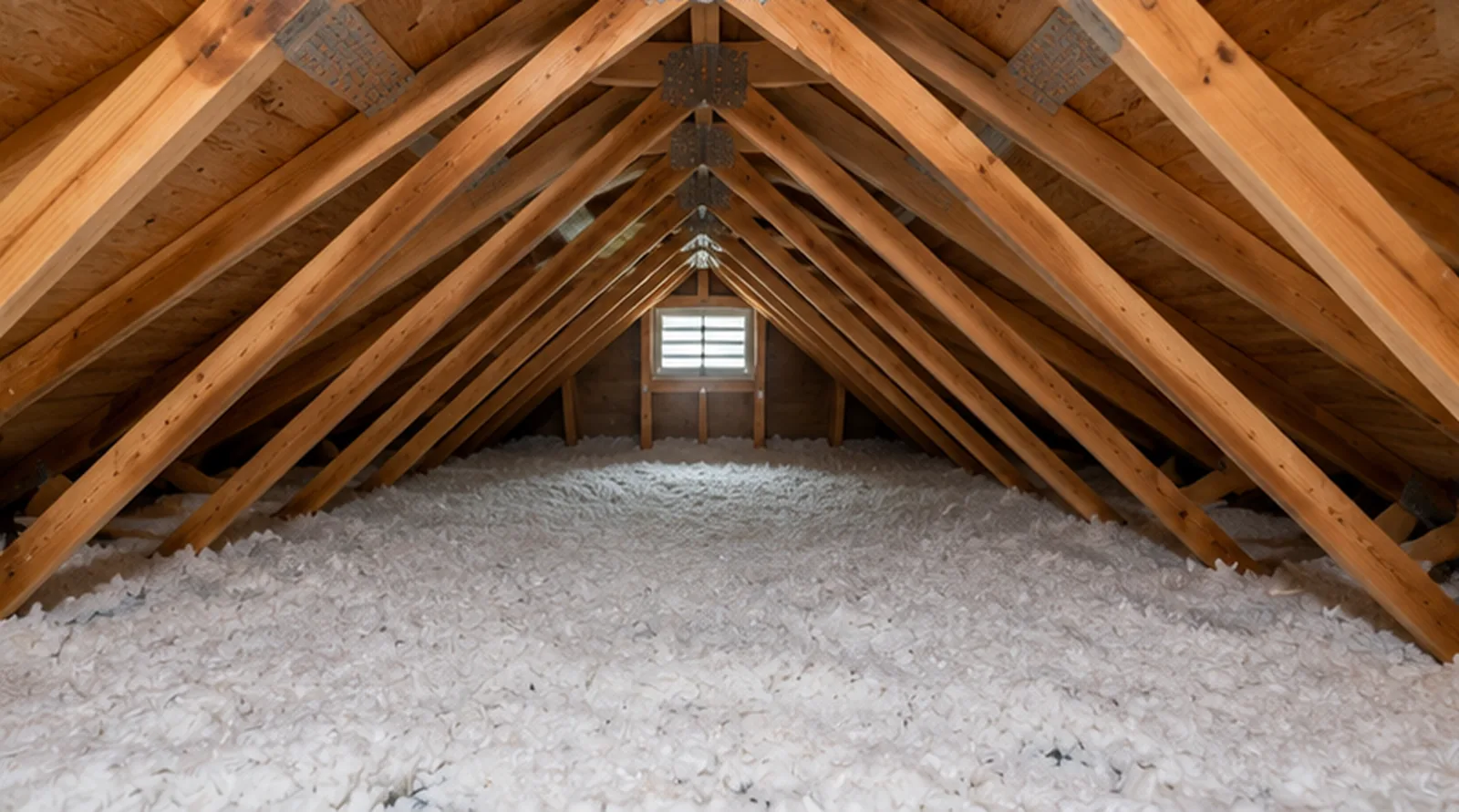
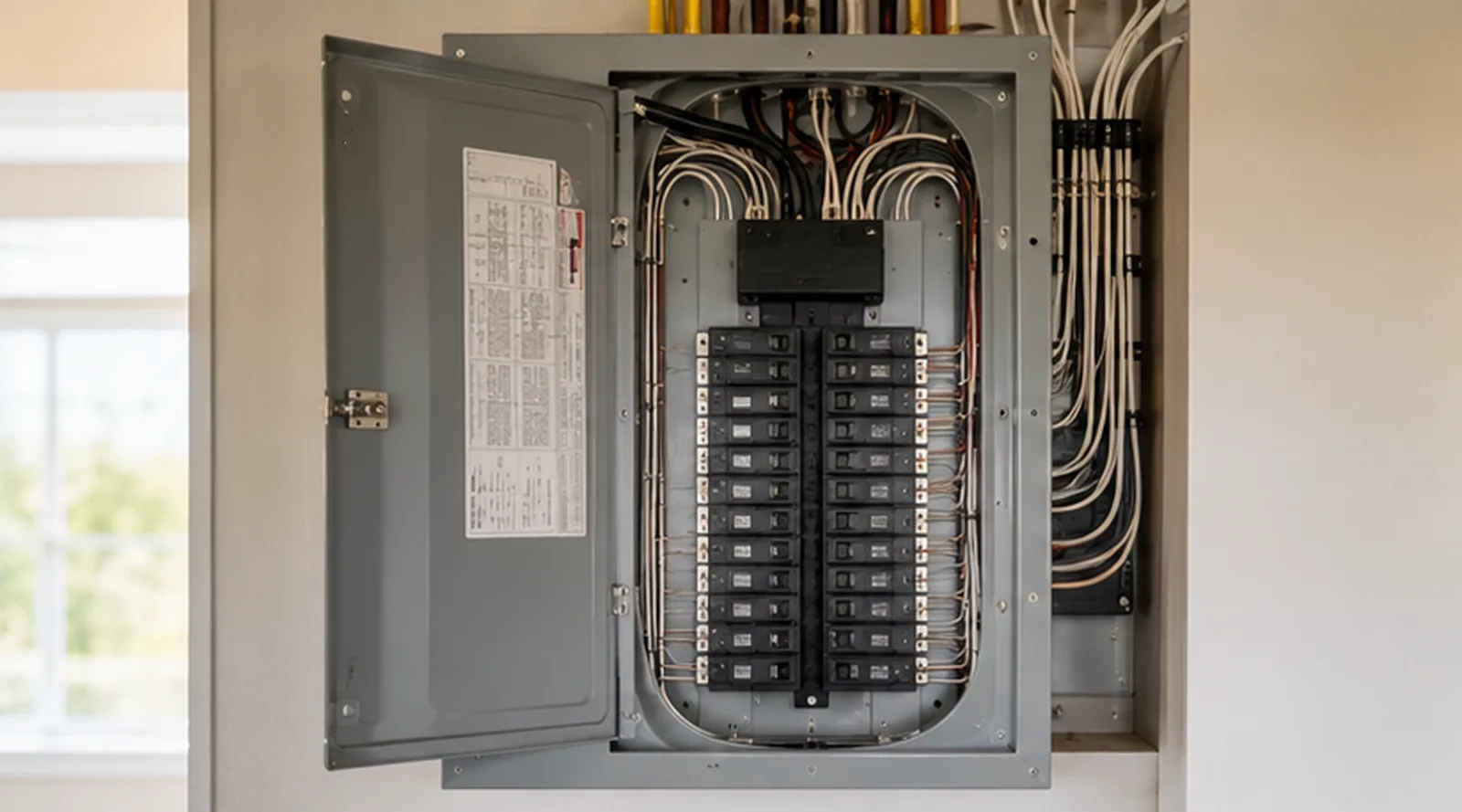
Thermal imaging reveals hidden moisture and water intrusion, missing or settled insulation, air leaks at rim joists and windows, ice-dam moisture trails, and overheating electrical connections at the breaker panel — issues that stay invisible to the naked eye.
How much does thermal imaging cost?
Thermal imaging is most affordable bundled with your home inspection. Pricing depends on the property, so use the free instant quote tool on this page to see your price in about two minutes and book a time.
Is thermal imaging the same as a moisture meter?
No. Infrared scans large surfaces fast to flag temperature anomalies, then we confirm suspected moisture with a meter. Together they give a clear picture of where water is hiding behind finishes in your Watertown home.