โœ“ InterNACHI® Master Certified โœ“ 120-Point Inspection โœ“ Reports in 24 Hours
๐Ÿ“ž (320) 674-7553
โฌฅ Hutchinson, MN ยท InterNACHI Master Certified

Thermal imaging that sees what the eye can't.

Infrared scanning reveals hidden moisture, missing insulation, air leaks, and overheating electrical connections โ€” the problems no walk-through can find. Add it to your Hutchinson home inspection.

โ˜…โ˜…โ˜…โ˜…โ˜… 5-star ratedโœ“ Same-day online schedulingโœ“ Report in 24 hours
Infrared
moisture & heat scan
24 hrs
report delivery
Add-on
to any inspection
Same day
online booking
Free 2-Minute Quote

Get your free instant quote & book online.

Add thermal imaging to your inspection in two minutes. Answer a few quick questions, get your free quote now, and pick a time.

What It Is

How infrared imaging works during an inspection.

A thermal camera reads the surface temperature of every wall, ceiling, and floor it's pointed at. Materials that are wet, poorly insulated, or carrying an electrical fault sit at a different temperature than everything around them โ€” and that difference shows up as a pattern we can investigate.
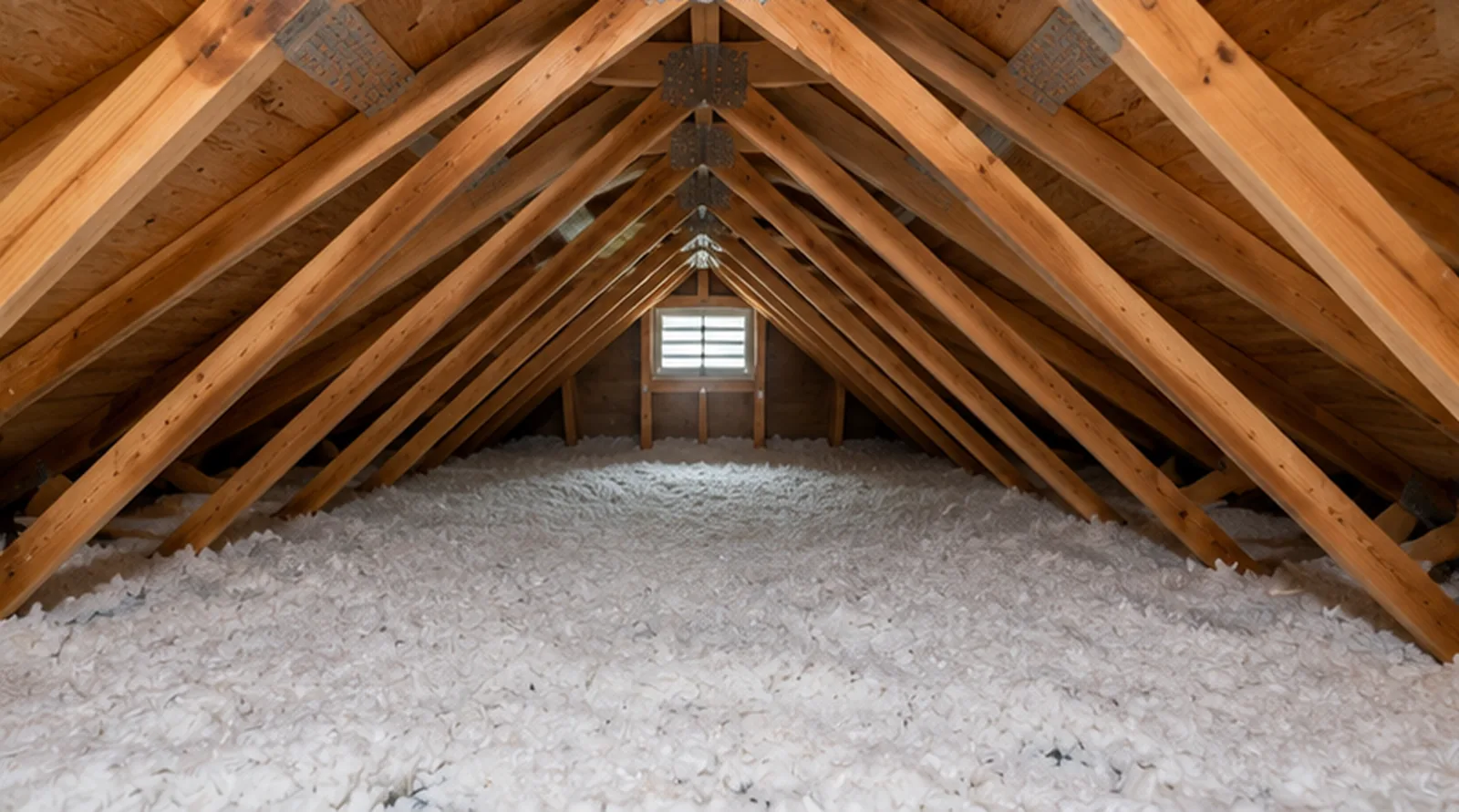
Attic insulation and roof trusses scanned for missing insulation during a Hutchinson home inspection
Why It Matters in Minnesota

Our winters make infrared sharper.

Thermal imaging depends on a temperature difference between inside and outside โ€” and in Hutchinson, that gap is enormous for most of the year. When it's below zero outside and 70°F inside, missing attic insulation, drafty rim joists, and the moisture trail left behind by an ice dam light up clearly. That same contrast also exposes radiant heat loss around windows and recessed lights that a summer inspection might soften.

  • Ice-dam moisture tracked from the eave down into ceilings and walls.
  • Missing or settled attic insulation that drives up heating bills.
  • Air leaks at rim joists, outlets, and window frames.
  • Overheating breakers and loose electrical connections.
What We Catch

The findings infrared brings to the surface.

A camera doesn't see through walls โ€” it reads surfaces. But abnormal surface patterns point straight to what's hiding behind them, which we confirm with a moisture meter.

Infrared thermal imaging camera scanning an interior wall in a Hutchinson home
Moisture

Hidden water intrusion

Cool, damp patterns behind drywall and in basements reveal active leaks long before stains appear.

Attic insulation gaps revealed by thermal scanning
Insulation

Insulation gaps & voids

Warm streaks across cold ceilings expose where insulation has settled, shifted, or was never installed.
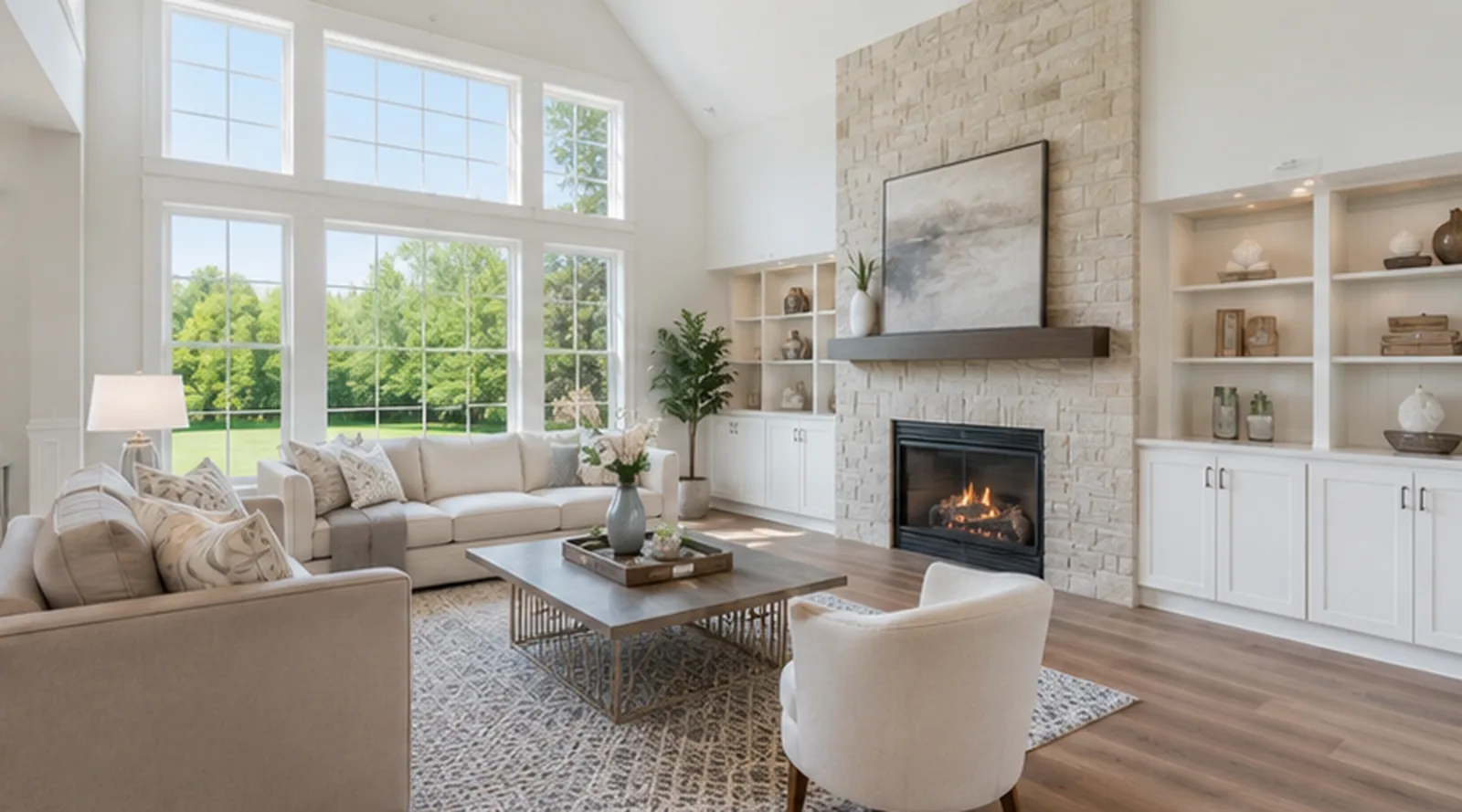
Living room walls and windows scanned for air leaks and energy loss
Energy Loss

Drafts & energy loss

Cold air tracking in around windows, doors, and outlets โ€” the quiet drain on your heating bill.

How It Works

Thermal imaging, added to your inspection.

01

Add it to your quote

Select thermal imaging in the free instant quote tool below and book a time online.

02

We scan

We sweep ceilings, exterior walls, windows, the basement, and electrical points with the infrared camera.

03

We confirm

Anything suspicious is verified on the spot with a moisture meter so findings are real, not guesses.

04

Get your report

Findings are documented and explained in plain language within 24 hours.

FAQ

Thermal imaging questions, answered.

What does thermal imaging actually detect?
Infrared thermal imaging detects surface temperature differences that reveal hidden moisture behind walls and ceilings, missing or settled insulation, air leaks, overheating electrical connections, and radiant floor or plumbing issues that a visual inspection alone would miss.
Can a thermal camera see through walls?
No. A thermal camera does not see through walls. It reads the surface temperature of materials, and abnormal patterns on that surface point us to what is happening behind it, such as wet insulation or a hidden air leak, which we then investigate and confirm with a moisture meter.
Is thermal imaging worth it in Minnesota?
Yes. Minnesota's large indoor-outdoor temperature gap in winter makes thermal imaging especially effective in the Hutchinson area, because heat loss, missing insulation, and ice-dam-related moisture show up clearly in the contrast between warm interiors and cold exterior conditions.
Do you scan the whole house?
We scan accessible interior areas including ceilings, exterior walls, around windows and doors, basements, the attic access, and key plumbing and electrical points. Findings are documented and explained in your report within 24 hours.
When is thermal imaging the most accurate?
Thermal imaging works best when there is a meaningful temperature difference between inside and outside, which is most of the heating and cooling season in Minnesota. We interpret readings in context, accounting for recent rain, sun exposure, and HVAC operation.
Related Services

Pair thermal imaging with a full inspection.

Infrared is most powerful as part of a complete evaluation of the home.

See what's hidden. Before you buy.

Get Your Free Instant Quote โ†’
๐Ÿ“ž Call Free Instant Quote