
Every inspection we perform follows the InterNACHI Standards of Practice — a published framework that defines what a general home inspection should cover, and just as importantly, what it does not.
The InterNACHI Standards of Practice are a widely recognized set of guidelines published by the International Association of Certified Home Inspectors. They establish what a general home inspection includes, define key terms, and set the minimum scope members agree to follow. The result is consistency: a buyer knows what to expect, and an inspector is held to a defined standard rather than a personal preference.
A general home inspection is a visual, non-invasive examination of the readily accessible systems and components of a home, designed to identify defects observed at the time of the inspection. It is not technically exhaustive, and it isn't a guarantee, warranty, or code-compliance review. You can read the full standard at InterNACHI's Standards of Practice.
Under the Standards of Practice, an inspection addresses the readily accessible, visually observable systems below.
Roof-covering materials, gutters, downspouts, vents, flashings, and visible penetrations.
Wall coverings, trim, eaves, soffits, doors, windows, walkways, decks, and grading near the home.
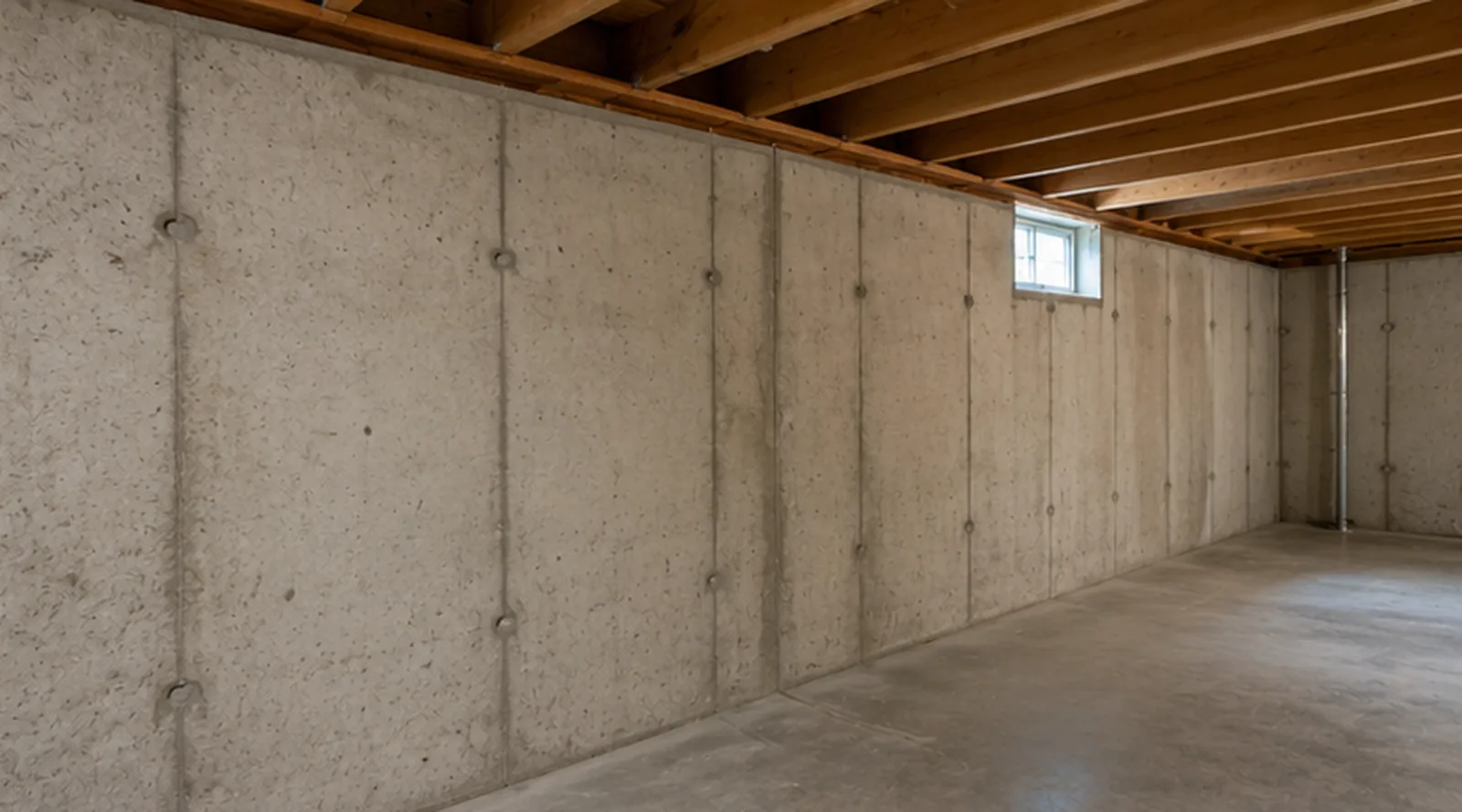
Visible structural components, the foundation, and signs of movement or moisture intrusion.
The service entrance, panels, breakers, a representative number of switches and outlets, and visible wiring.
Supply and drain systems, water heating equipment, fixtures, and functional flow and drainage.
Heating and cooling equipment, distribution, and operation using normal controls where conditions allow.
Visible insulation, ventilation in unfinished spaces, and exhaust systems.
Walls, ceilings, floors, doors, windows, stairs, railings, and a representative number of installed components.
Permanently installed appliances such as dishwashers and ranges, operated using normal controls.
The Standards of Practice also clarify the limits of a general home inspection. An inspector is not required to move personal property, dismantle equipment, enter unsafe or inaccessible areas, or evaluate concealed components. The inspection does not predict the remaining life of any system, determine code compliance, or include specialized testing unless separately requested.
That's why we offer focused add-on services — like sewer scope, radon testing, mold testing, and thermal imaging — that go beyond the general inspection when you want a closer look. Learn more about our approach on the certifications and about pages.
See what's covered in a full home inspection, preview a sample report, or find your community among the towns we serve across McLeod County and beyond.
Get your free instant quote and pick a time. Every inspection follows the InterNACHI Standards of Practice.