✓ InterNACHI® Master Certified ✓ 120-Point Inspection ✓ Reports in 24 Hours
📞 (320) 674-7553
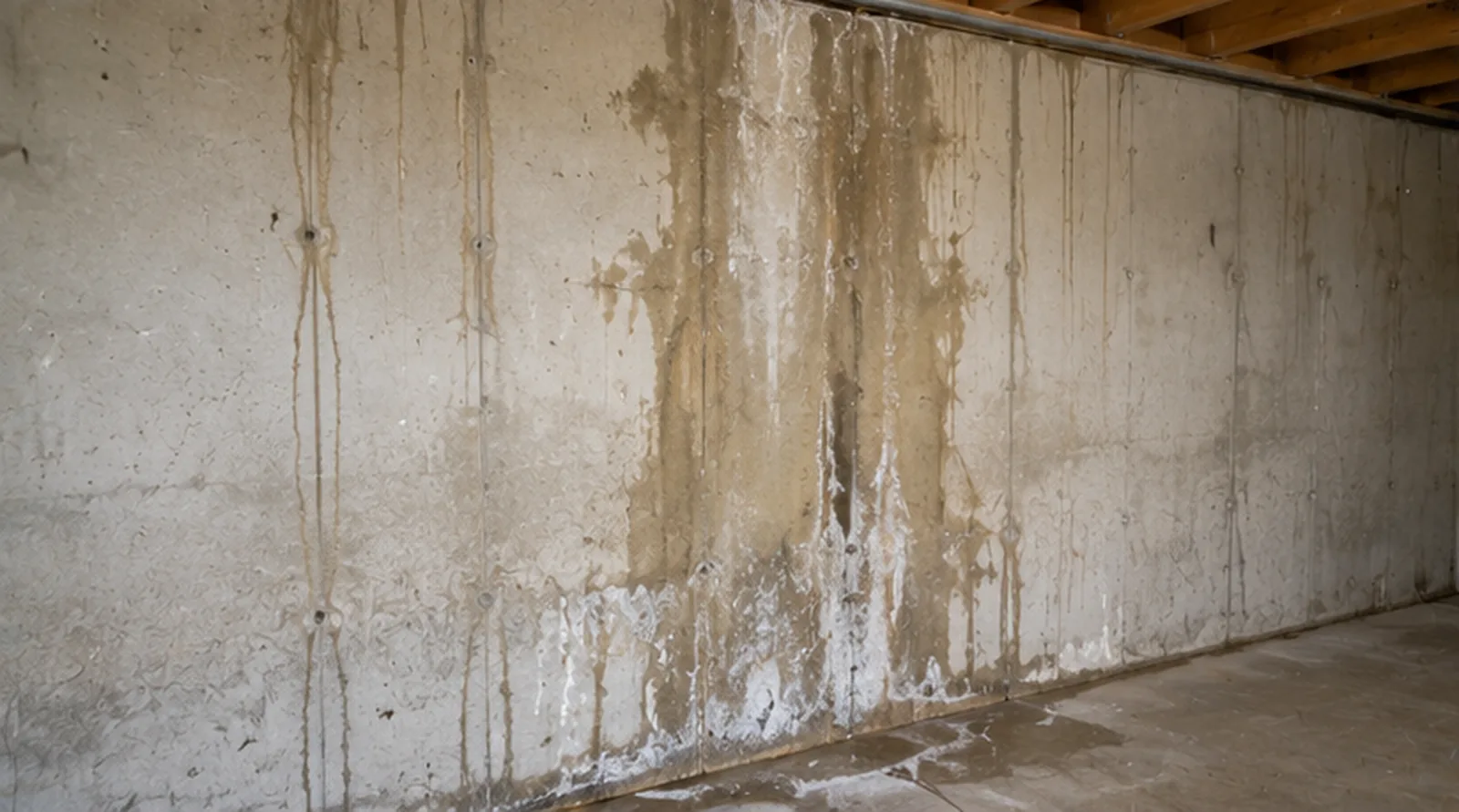
White efflorescence residue on a basement foundation wall in Hutchinson, MN
⬥ Hutchinson, MN · Foundation & Moisture

Efflorescence: the white residue that water leaves behind.

That chalky white crust on a basement wall isn't mold and isn't dangerous on its own — but it's proof that water has been moving through the concrete. We read it as a clue.

★★★★★ 5-star rated✓ Same-day online scheduling✓ Walk-through included
What It Is

What efflorescence actually is.

Efflorescence is the white, powdery or crystalline residue that appears on concrete, block, and brick. It forms when water moves through the masonry, dissolves natural salts inside it, and carries them to the surface, where the water evaporates and leaves the salt behind. The deposit itself is harmless — but it is a record that water has been passing through the wall, and that's the part that matters.

Why it matters. Efflorescence is one of the most useful diagnostic clues in a basement. It can't tell you everything, but it tells you water has been there, and roughly where. On a Hutchinson inspection, finding efflorescence prompts us to chase the moisture source — grading, a crack, a leaking pipe — before it becomes seepage, rot, or mold. It's a warning sign, read early.

Get Your Free Quote
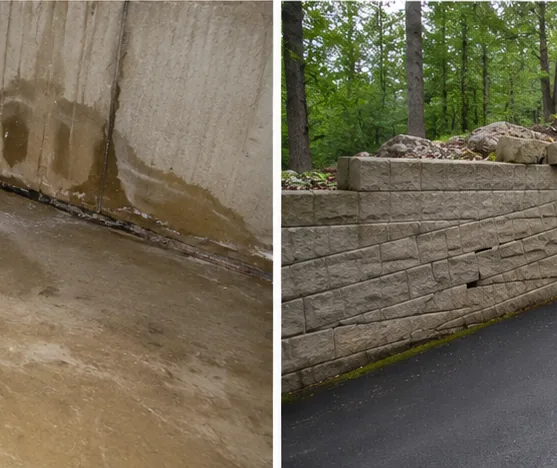
Retaining wall and foundation wall with water staining
Free 2-Minute Quote

Concerned about this? Get it inspected.

This finding is covered by our standard 120-point inspection. Get your free quote, choose a time, and add thermal imaging or mold testing to map what's hidden.

Signs & Symptoms

What it looks like.

The warning signs we document and that you can watch for.

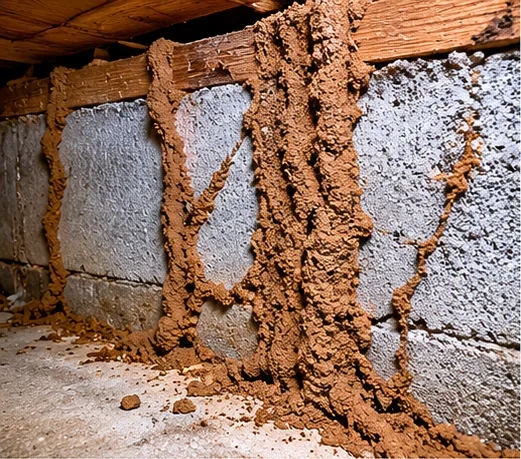
Efflorescence and moisture staining on crawlspace block wall
Signs

What to look for

White, fuzzy, or crystalline deposits on foundation walls, often along cracks, mortar joints, the wall-floor corner, or below grade level. Fresh efflorescence brushes off as powder; older deposits can crust. It's frequently paired with staining, a damp feel, or a musty smell. Heavy or recurring efflorescence after every wet season points to a persistent moisture path.

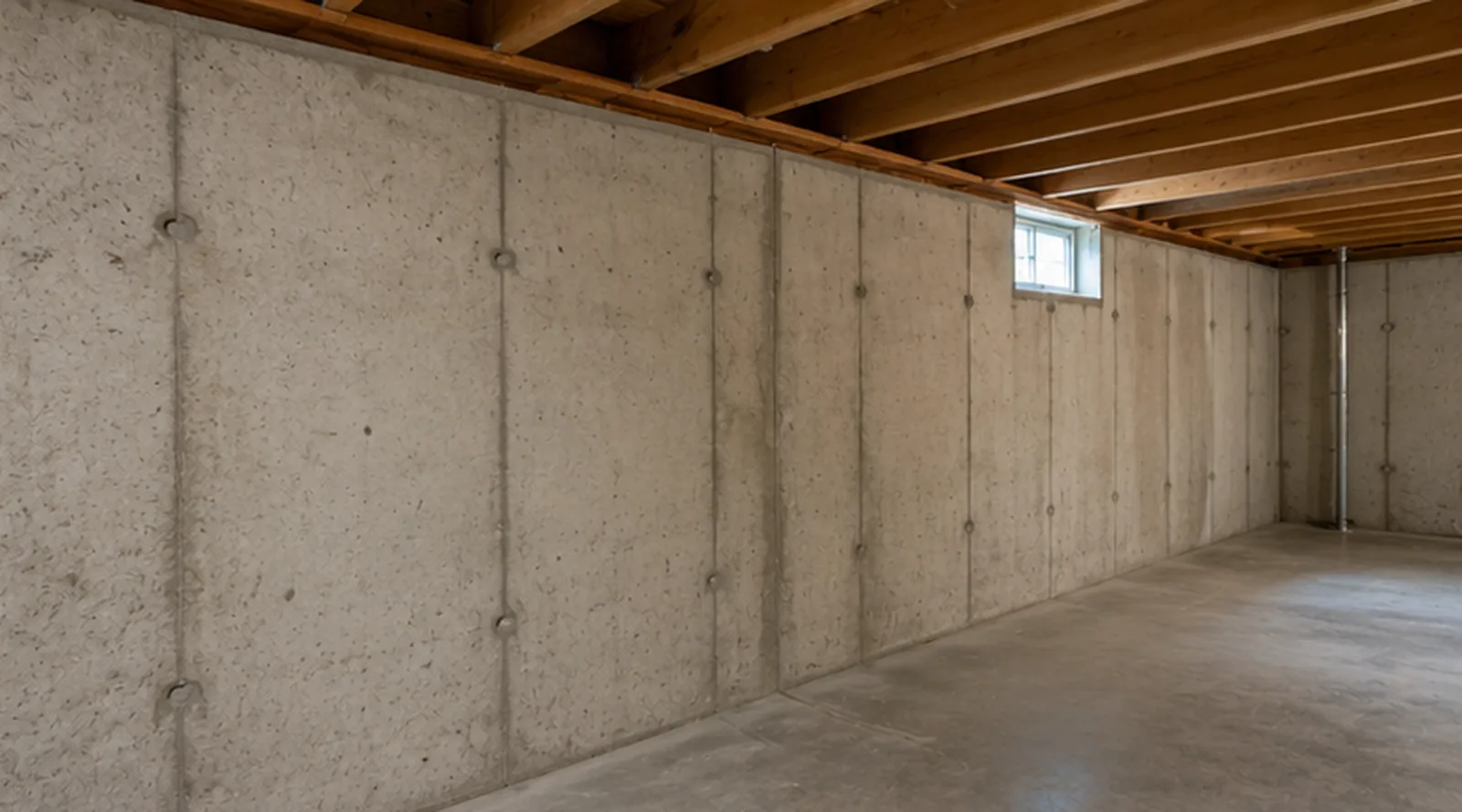
Foundation wall inspected for efflorescence and moisture in Hutchinson, MN
Causes

Why it happens

Any route that lets water through the masonry: hydrostatic pressure from a high water table, water entering through foundation cracks, poor exterior grading and drainage steering snowmelt at the wall, and condensation on cold concrete. New concrete also effloresces as it cures. In Minnesota, spring snowmelt loading the soil is a leading driver of seasonal efflorescence.

White efflorescence residue on a basement foundation wall in Hutchinson, MN
Risk

If it's ignored

The salt deposit is cosmetic, but what it represents is not. Persistent moisture moving through a wall can lead to active seepage, deterioration of the masonry over time (especially with freeze-thaw), damage to finishes, and the damp conditions that mold needs. Treating efflorescence as 'just a stain' and painting over it without fixing the water source lets the underlying problem continue.

Repair Options

How it's addressed.

The deposit is removed by dry brushing or a masonry cleaner. The real work is stopping the water: improving grading and extending downspouts, sealing cracks, addressing a high water table with drainage or a sump system, and reducing basement humidity to limit condensation. Interior sealers can slow surface efflorescence but don't fix the source. We document the deposit and the suspected source so the right fix is chosen.

This is one of the findings covered by the full 120-point home inspection and documented under our foundation inspection. Related issues worth reading: Basement seepage Poor grading & drainage Basement mold Freeze-thaw damage.

Foundation wall inspected for efflorescence and moisture in Hutchinson, MN
Common Variations

What turns up around Hutchinson.

Hydrostatic pressure

Groundwater forced through the wall, depositing salts as it evaporates.

Crack pathways

Efflorescence trailing along cracks where water finds a route in.

Wall-floor joint

Deposits at the cove joint where snowmelt enters at the base of the wall.

Condensation

Salts left by moisture condensing on cold concrete in humid basements.

Seasonal recurrence

Efflorescence that returns each spring — a sign of a persistent source.

Curing concrete

Light efflorescence on new concrete as it cures and dries out.

How We Inspect It

Four steps to a clear answer.

01

Confirm it's efflorescence

We distinguish the mineral residue from mold and other staining.

02

Trace the pattern

We follow the deposit to cracks, joints, or grade lines that reveal the path.

03

Check moisture

We look for active dampness, staining, and odors tied to the source.

04

Document the source

Findings and the suspected water source are recorded in your 24-hour report.

Minnesota Notes

Why this matters here.

In McLeod County, efflorescence flares most in spring as snowmelt saturates the soil and drives moisture against below-grade walls. We see it routinely on older Hutchinson block foundations and below grade on poured walls. Recurring efflorescence in the same spot each spring usually points to a drainage problem just outside that wall.

Book Your Inspection
White efflorescence residue on a basement foundation wall in Hutchinson, MN
FAQ

Efflorescence questions, answered.

Is efflorescence dangerous?
The deposit itself is not — it's mineral salt, not mold. But it means water has been moving through the wall, which can lead to seepage, masonry deterioration, and the damp conditions mold needs if the source isn't addressed.
Is efflorescence the same as mold?
No. Efflorescence is a white, crystalline mineral salt that brushes off as powder. Mold is biological, usually fuzzy or slimy, often colored, and may smell musty. Where we suspect mold, we recommend testing.
What causes efflorescence in a Hutchinson basement?
Water moving through the masonry — from a high water table, foundation cracks, poor grading, or condensation. Spring snowmelt saturating the soil is a common seasonal trigger.
How do I get rid of efflorescence?
Brush or clean the deposit off, then stop the water — improve grading, extend downspouts, seal cracks, and control humidity. Painting over it without fixing the source lets the problem continue.
Should efflorescence worry me when buying a home?
It's a flag, not a deal-breaker. It tells us to investigate the moisture source. We document where it is and what's likely causing it so you can weigh the fix before closing.

Related defects & inspections

Explore related findings in the Defect Library: Basement seepage Poor grading & drainage Basement mold Freeze-thaw damage. See how we document it in the foundation inspection and the full 120-point home inspection, and add mold testing or thermal imaging when hidden moisture is suspected. We serve Hutchinson and McLeod County.

Get a straight answer about your home.

Get Your Free Instant Quote
📞 Call Free Instant Quote