✓ InterNACHI® Master Certified ✓ 120-Point Inspection ✓ Reports in 24 Hours
📞 (320) 674-7553
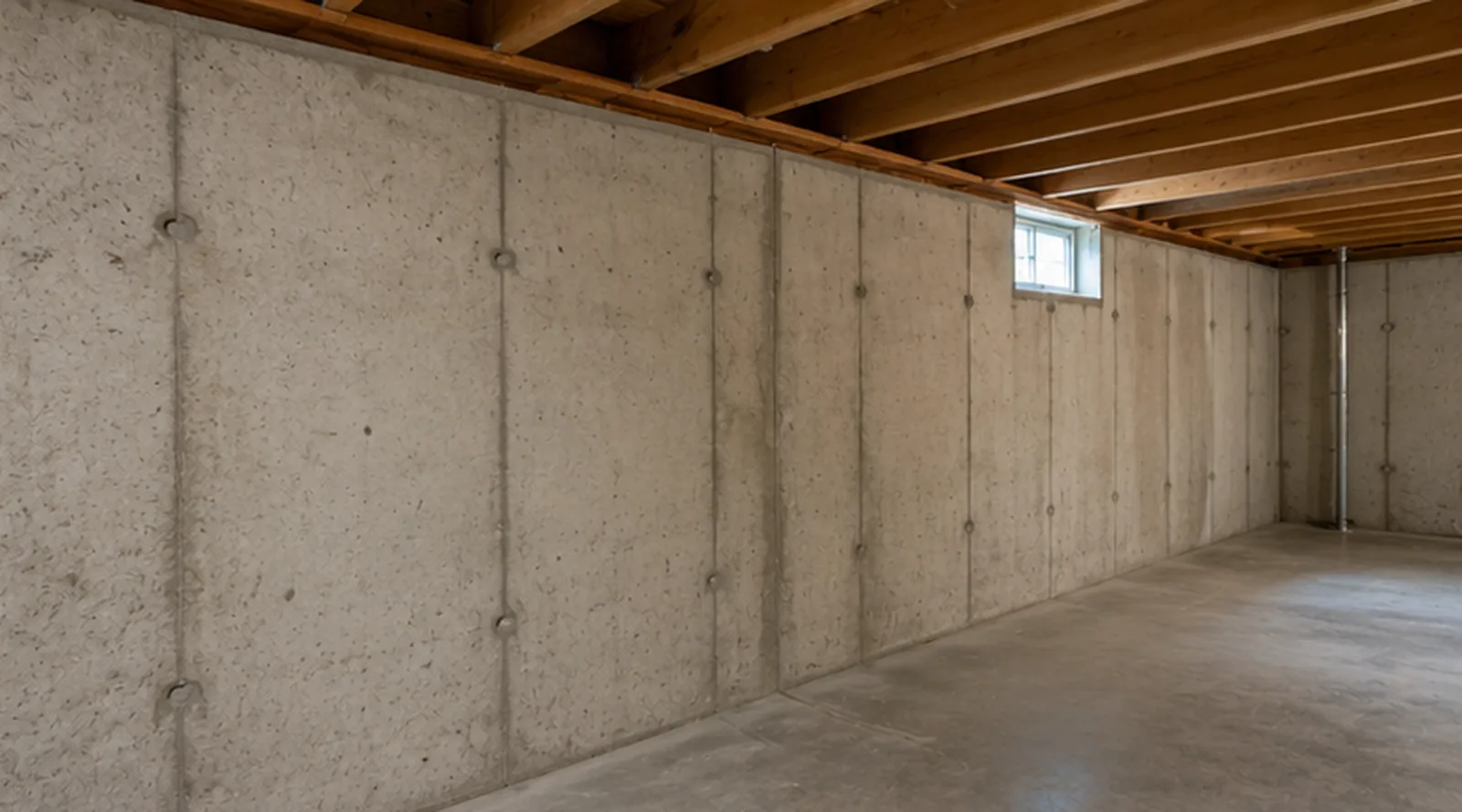
Poured concrete foundation wall inspected in a Hutchinson, MN basement
⬥ Hutchinson, MN · InterNACHI Master Certified

The foundation inspection that reads the cracks.

Not every crack is a crisis — but the wrong one is the costliest repair in the house. We tell the cosmetic from the structural and trace the moisture to its source.

★★★★★ 5-star rated✓ Same-day online scheduling✓ Walk-through included
Free 2-Minute Quote

Price your inspection and book in minutes.

Structure and foundation is covered in every standard inspection. Get your free quote, choose a time, and add thermal imaging to map hidden moisture.

What We Check

The bones of the house — and the water around them.

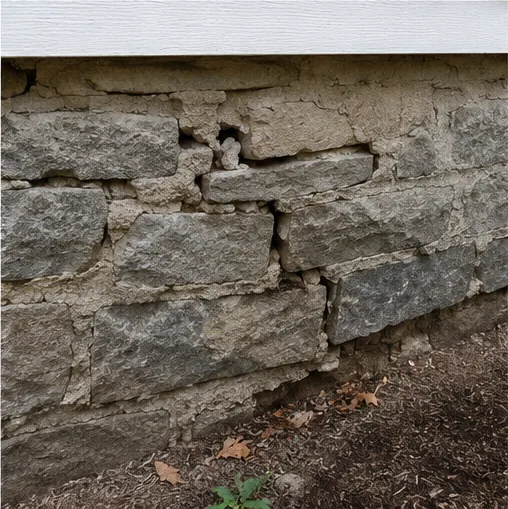
In the basement or crawlspace we examine the foundation walls and floor for cracking, bowing, settlement, and signs of movement. We read what each crack is telling us: a thin vertical line is usually cosmetic, while horizontal or stair-step cracking and displaced walls point to soil pressure that needs an engineer's eye.

Just as important is the water. We document staining, efflorescence, and seepage inside, then step outside to check grading and downspouts. Foundation is one of the eight systems in the full 120-point inspection and connects directly to our plumbing and roof findings — and to mold testing when moisture is present.

Get Your Free Quote
Cracked and shifting stone foundation wall exterior
Why It Matters in Minnesota

Frost and water never stop pushing.

A deep frost line, freeze-thaw cycling, and spring snowmelt put relentless pressure on every Hutchinson foundation.

Bowing and horizontally cracked basement foundation wall
Cracks

Cosmetic vs. structural

We distinguish harmless hairline cracks from horizontal, stair-step, and widening cracks that signal real movement and pressure.
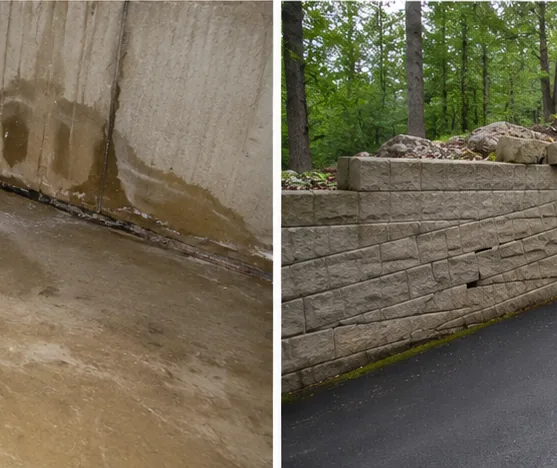
Retaining wall and foundation wall with water staining
Moisture

Staining & seepage

Water stains, efflorescence, and damp corners reveal where snowmelt and groundwater are finding their way in.

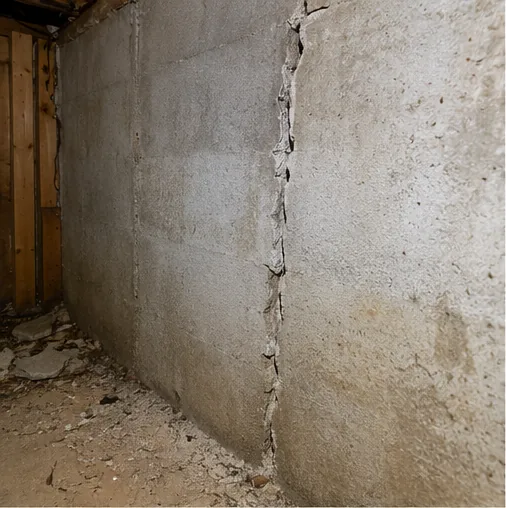
Foundation wall and floor joint inspected in a Hutchinson basement
Grading

Water pushed at the wall

Negative grading and short downspouts dump water against the foundation. We catch the drainage problems behind most wet basements.

Common Defects We Find

What turns up in Hutchinson basements.

Horizontal cracking

Mid-wall horizontal cracks in block, a classic sign of soil pressure and bowing.

Efflorescence

White mineral residue showing water has been passing through the concrete.

Active seepage

Damp or wet areas at the wall-floor joint, often worst after snowmelt.

Negative grading

Soil sloping toward the house, steering water straight at the foundation.

Settlement

Stair-step cracks and uneven floors that point to soil settling below footings.

Short downspouts

Downspouts ending right at the foundation instead of carrying water away.

How We Inspect It

Four steps from inside to outside.

01

Walls & floor

We examine visible foundation walls and the floor for cracks, bowing, and movement.

02

Moisture mapping

Staining, efflorescence, and seepage are documented to trace where water enters.

03

Exterior grading

Outside, we check grading and downspout discharge that drive water to the wall.

04

Report & review

Findings are prioritized in your 24-hour report and walked through with you on-site.

FAQ

Foundation inspection questions, answered.

What does a foundation inspection check?
We inspect the visible foundation walls and floor in the basement or crawlspace, looking for cracks, bowing, settlement, and movement. We document moisture indicators — water staining, efflorescence, and active seepage — and we evaluate exterior grading and drainage that direct water toward or away from the home.
Are foundation cracks in a Hutchinson home a problem?
It depends on the type. Fine vertical hairline cracks in poured concrete are common and often cosmetic. Horizontal cracks, stair-step cracks in block, and walls that are bowing or displaced point to structural pressure and are flagged as major findings that warrant a structural engineer's review.
Why are Minnesota foundations especially at risk?
Minnesota's deep frost line and repeated freeze-thaw cycles push and pull on foundation walls, while spring snowmelt and a high local water table drive moisture against them. Poor grading and short downspouts make it worse. These forces produce most of the foundation findings we see in McLeod County.
Does the inspection tell me if water is getting in?
Yes. We document staining, efflorescence (the white mineral residue left by water passing through concrete), damp areas, and any active seepage, along with the grading and drainage conditions causing them. Where moisture or musty odors suggest a bigger issue, we recommend mold testing.
Is the foundation inspection included in the home inspection?
Yes. Structure and foundation is one of the eight core areas of the standard 120-point home inspection. If we find moisture concerns, thermal imaging and mold testing are valuable add-ons that bundle onto the same visit.

Related systems & service area

The foundation connects to the whole home: see our plumbing, roof, HVAC, and electrical inspections, add mold testing or thermal imaging, or review everything included. Worried about a specific issue? Read about foundation cracks and wet basements. We serve Hutchinson and McLeod County.

Know if the bones are sound. Before you buy.

Get Your Free Instant Quote
📞 Call Free Instant Quote