✓ InterNACHI® Master Certified ✓ 120-Point Inspection ✓ Reports in 24 Hours
📞 (320) 674-7553
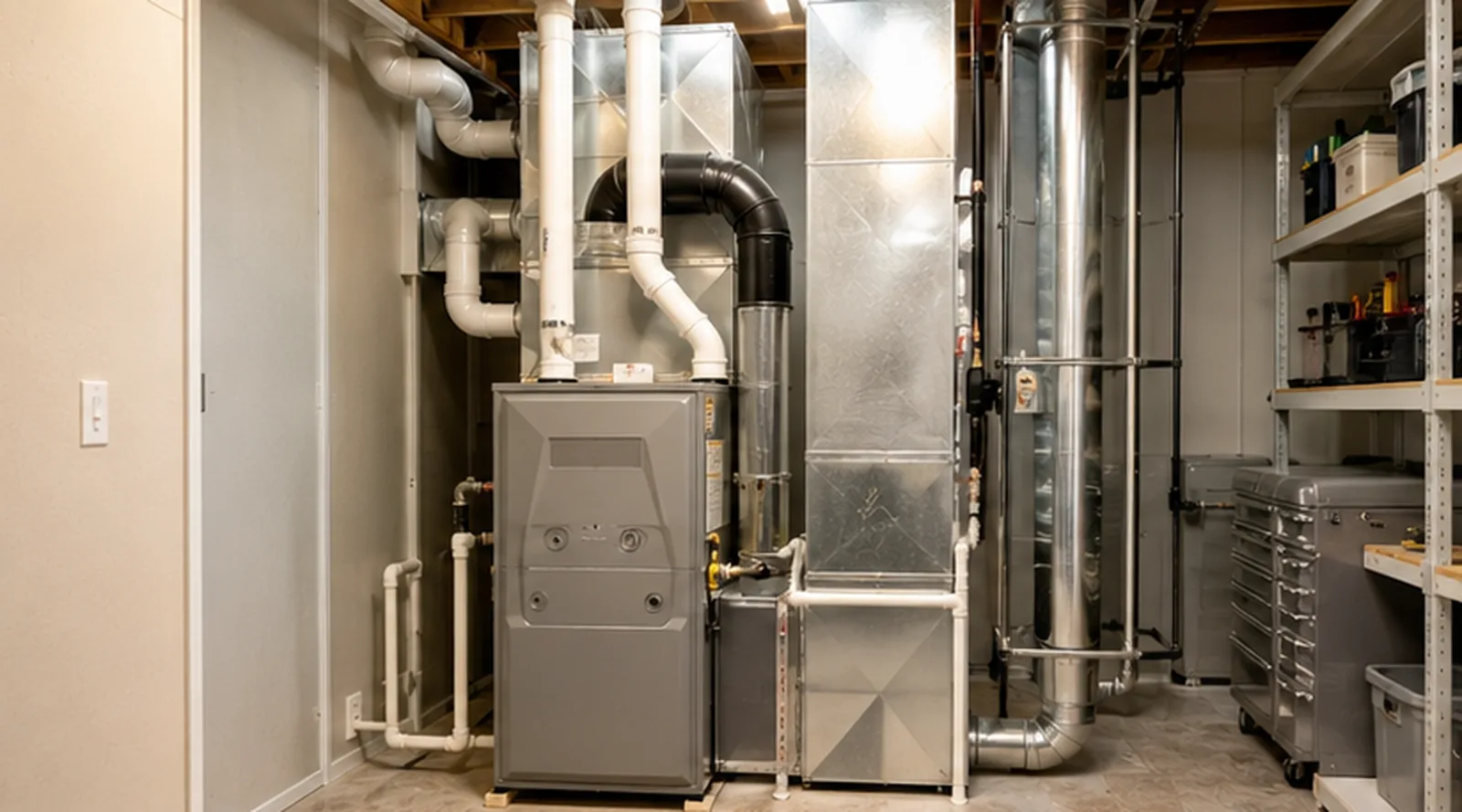
Furnace and HVAC equipment in a Hutchinson, MN utility room being inspected
⬥ Hutchinson, MN · InterNACHI Master Certified

The HVAC inspection built for Minnesota winters.

When it's -20° outside, the furnace is the most important system in the house. We check the heat, the cooling, the ducts, and the venting that keeps your family safe.

★★★★★ 5-star rated✓ Same-day online scheduling✓ Walk-through included
Free 2-Minute Quote

Price your inspection and book in minutes.

Heating and cooling is covered in every standard inspection. Get your free quote, choose a time, and add thermal imaging to map duct losses and uneven heat.

What We Check

Heating, cooling, and everything that moves the air.

We operate the furnace on its normal thermostat controls and inspect its age, condition, venting, and combustion air, watching for the corrosion and cracked-heat-exchanger signs that carry a carbon monoxide risk. When the weather allows, we test the central air conditioner and check the condenser, refrigerant lines, and electrical disconnect.

Then we follow the air: visible ductwork, registers, the filter, and signs of poor airflow or duct leakage. Heating and cooling is one of the eight systems in the full 120-point inspection, and it ties into our electrical and attic findings. Adding thermal imaging reveals duct losses you can't see.

Get Your Free Quote
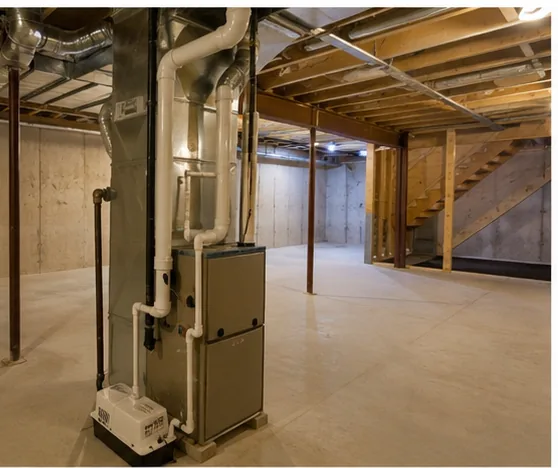
High-efficiency gas furnace in finished basement utility area
Why It Matters in Minnesota

The furnace is a safety system here.

In a Hutchinson winter, heating reliability and safe combustion aren't comfort items — they're essentials.

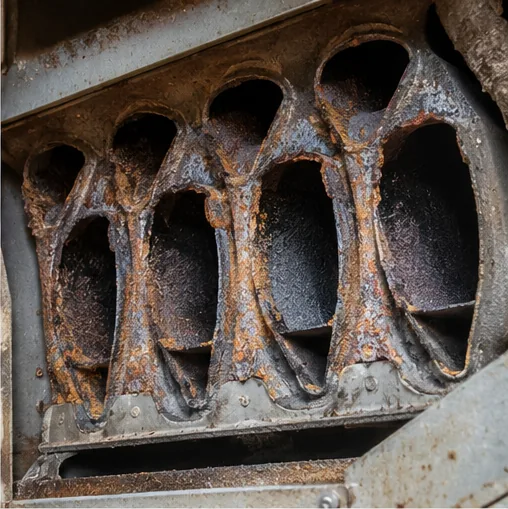
Severely rusted and corroded furnace heat exchanger
Furnace

Age & heat exchanger

An aging furnace or a suspected cracked heat exchanger is both an expense and a carbon monoxide risk. We inspect operation, venting, and combustion closely.
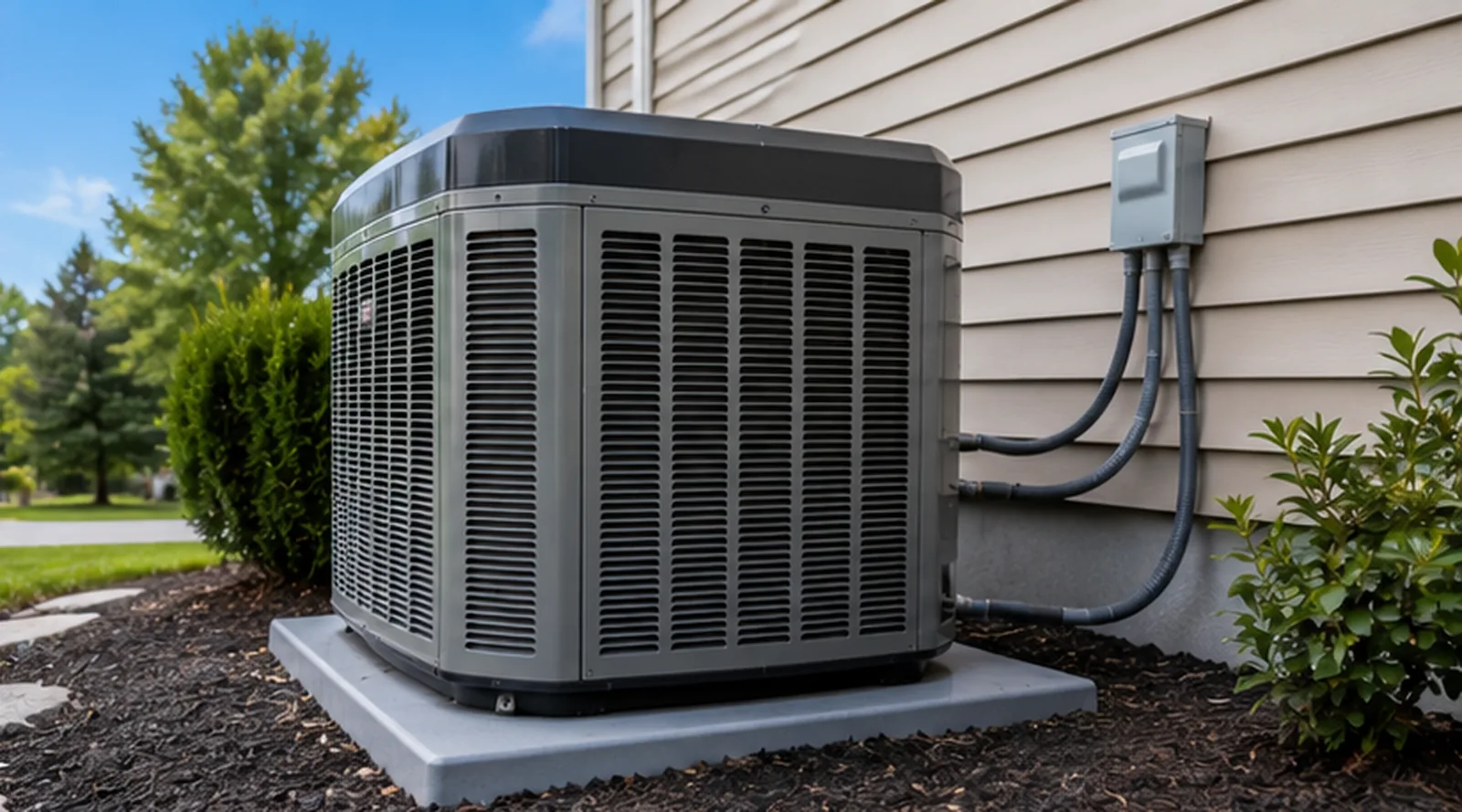
A/C condenser unit checked during a Hutchinson home inspection
Cooling

Tested when it's safe

We run the central A/C when outdoor temperatures allow and check the condenser, lines, and disconnect — or note the weather limitation.
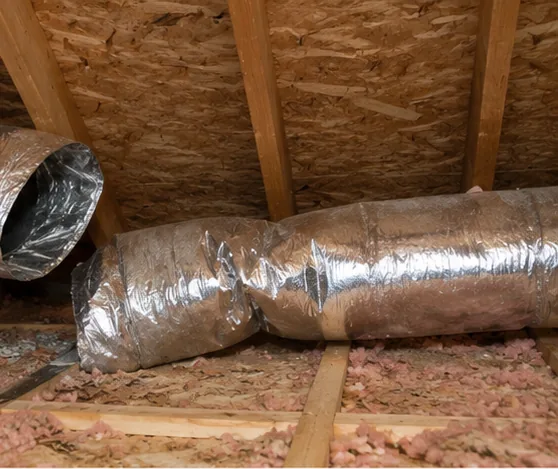
Insulated flexible HVAC ductwork running through attic
Ductwork

Leaks & airflow

Disconnected, leaking, or undersized ducts waste heat and leave rooms cold. We follow the visible runs and note airflow problems.

Common Defects We Find

What turns up in Hutchinson HVAC systems.

Aging furnaces

Units at or past service life that should be budgeted for replacement before a hard winter.

Cracked heat exchangers

Suspected cracks that can leak carbon monoxide — flagged as a safety concern.

Improper venting

Flue and combustion-air problems that risk backdrafting exhaust into the home.

Dirty, clogged filters

Neglected filters that choke airflow and strain the blower and heat exchanger.

Leaking ductwork

Disconnected or unsealed ducts in the basement and attic that waste heated air.

Old, low-charge A/C

End-of-life condensers and units that don't cool properly when tested.

How We Inspect It

Four steps through the system.

01

Run the furnace

We operate the furnace on the thermostat and inspect venting, combustion, and condition.

02

Test cooling

The central A/C is run when temperatures allow, with the condenser and lines checked.

03

Follow the air

Ductwork, registers, and the filter are inspected for leaks and airflow problems.

04

Report & review

Findings are prioritized in your 24-hour report and walked through with you on-site.

FAQ

HVAC inspection questions, answered.

What does an HVAC inspection cover?
We inspect the furnace and operate it on the thermostat, check the central air conditioner when temperatures allow, examine visible ductwork and registers, review the filter, venting, and combustion air, and look for signs of age, corrosion, or improper installation. Findings are photographed and prioritized in your 24-hour report.
How important is the furnace in a Hutchinson home?
It's critical. In a Hutchinson winter a failing furnace isn't just an expense — it's a safety and frozen-pipe risk. We pay close attention to the furnace's age, operation, venting, and any signs of a cracked heat exchanger, which can release carbon monoxide and is a major safety finding.
Will you test the air conditioner in winter?
To avoid damaging the compressor, central A/C should not be run when outdoor temperatures are too low — generally below about 60°F. When it's too cold to test safely, we note that as a weather limitation in the report and inspect everything we can visually instead.
Can the inspection detect carbon monoxide risk?
We inspect the furnace venting, combustion air, and visible heat exchanger for the conditions that lead to carbon monoxide problems, and we verify CO detectors are present. A suspected cracked heat exchanger is flagged as a safety concern for a licensed HVAC technician to evaluate before closing.
Is the HVAC inspection part of the standard home inspection?
Yes. Heating and cooling is one of the eight core areas of the standard 120-point home inspection — there is no extra fee. Adding thermal imaging can reveal duct losses and uneven heating that a visual inspection alone may miss.

Related systems & service area

HVAC connects to the rest of the home: see our electrical, roof, plumbing, and foundation inspections, add thermal imaging, or review everything included. Worried about a specific issue? Read about cracked heat exchangers and aging furnaces. We serve Hutchinson and McLeod County.

Make sure the heat works before the first freeze.

Get Your Free Instant Quote
📞 Call Free Instant Quote