Signs
Age, noise & short cycling
A unit 15-plus years old, rumbling or banging on startup, short cycling, yellow burner flame, or rooms that never quite warm up all point to a furnace running on borrowed time.
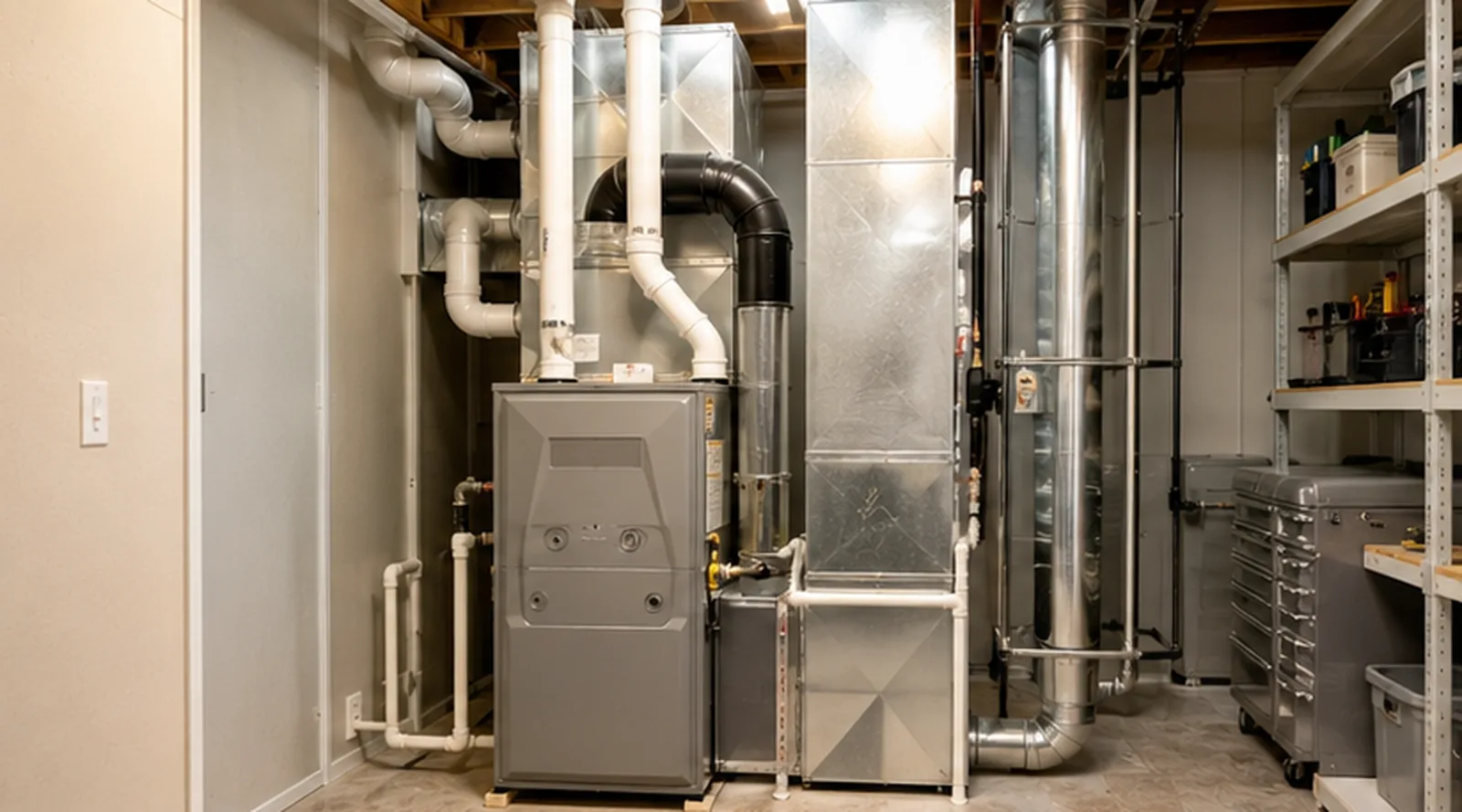
A furnace nearing the end of its life rarely warns you politely. It limps through one more season — and fails on the coldest night. Here's how to spot it before the deal closes.
Every standard inspection includes a full evaluation of the heating system. Get your free quote, pick a time, and we'll tell you exactly where that furnace stands.
A furnace is the workhorse of a Minnesota home, and like any workhorse it wears out. "Aging" means a unit at or past its expected service life — typically 15 to 20 years for a gas furnace — where metal fatigue, a tired blower motor, corroded components, and an increasingly brittle heat exchanger all start raising the odds of failure. In Hutchinson, where the heating season can run from October through April, those years carry more run-time than the calendar suggests.
An old furnace can still run today and still be a real concern. The question isn't only "does it work" but "how much life is left, and what fails first." That's the difference between a comfortable closing and a no-heat emergency in January. It's one of the systems we scrutinize closely during the HVAC inspection.
Get Your Free Quote →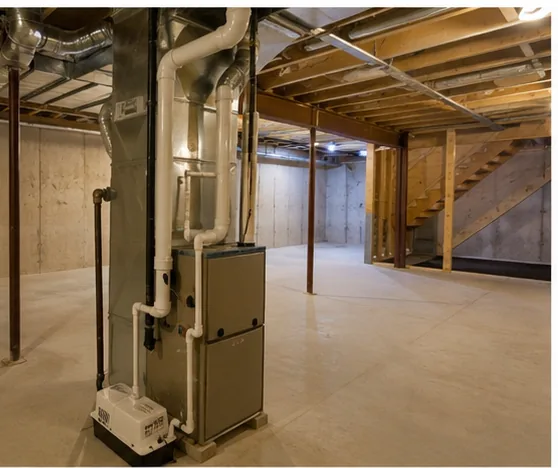
Some signs you can notice living in the home; others surface only on the data plate and during operation.
A unit 15-plus years old, rumbling or banging on startup, short cycling, yellow burner flame, or rooms that never quite warm up all point to a furnace running on borrowed time.
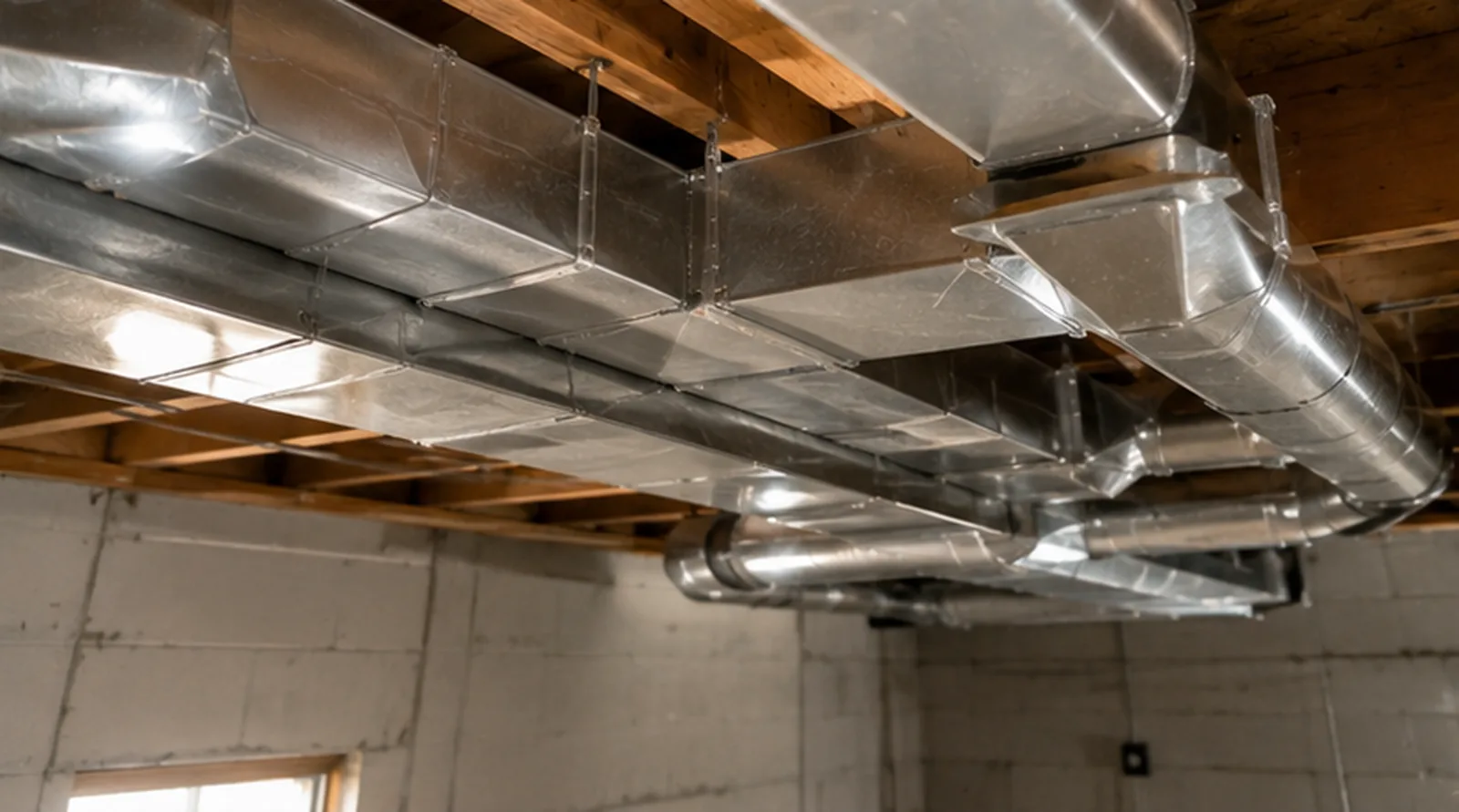
Long Minnesota heating seasons, skipped annual maintenance, clogged filters that overheat the system, and oversized or undersized sizing all shorten a furnace's usable life.
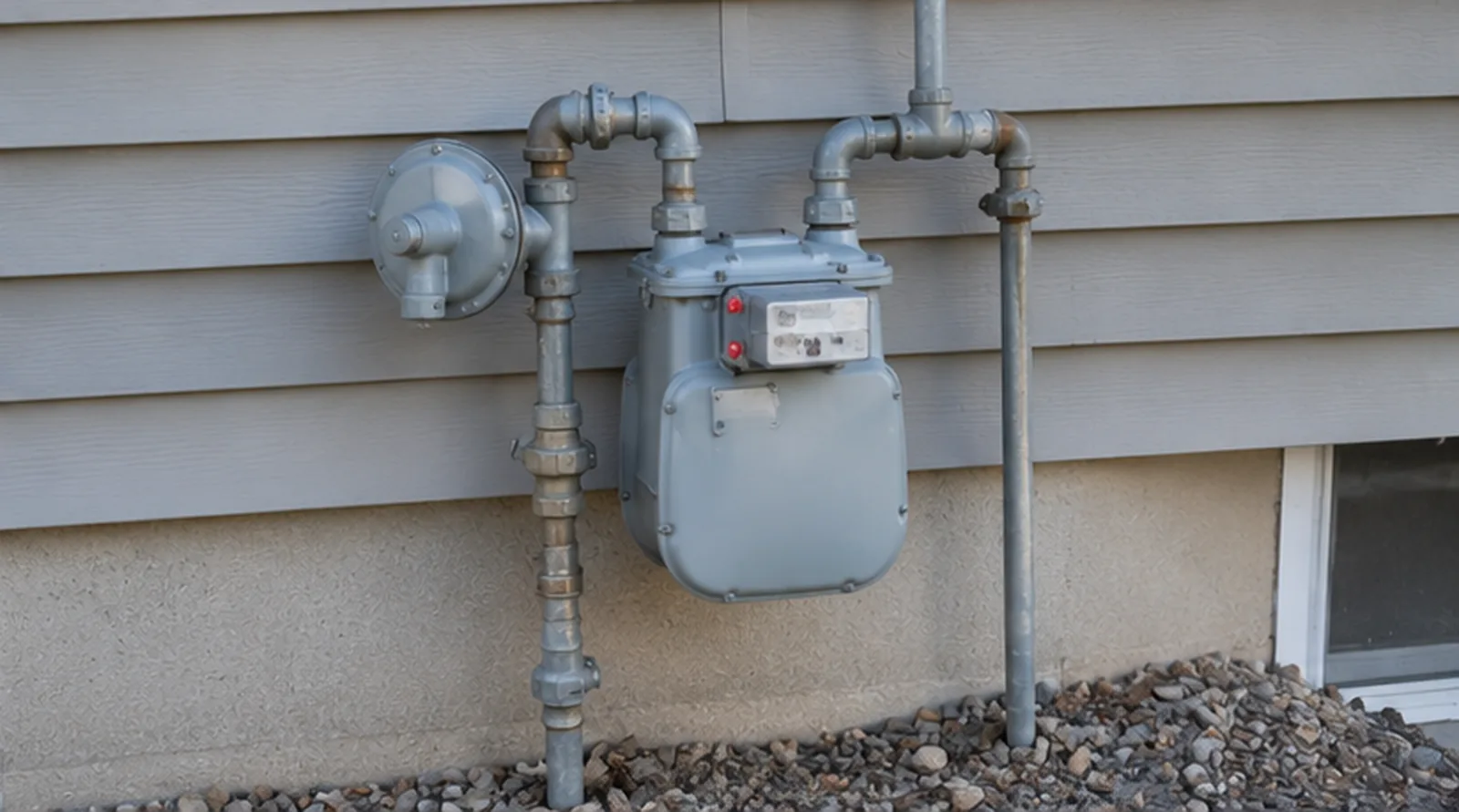
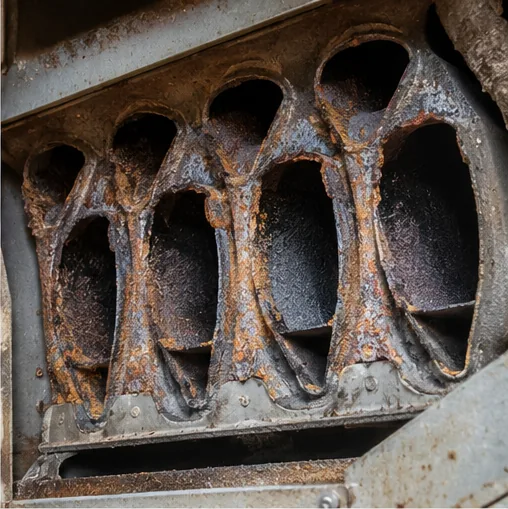
Corrosion at the cabinet, soot or moisture near the flue, and heating bills creeping up year over year are signs the unit is losing efficiency and reliability.
Old heat exchangers crack with age and thermal cycling, and a crack can leak CO into living space — the most serious risk of an aging furnace.
A furnace that dies during a Hutchinson cold snap can mean an emergency call, no heat, and frozen, bursting pipes within hours.
An older, lower-efficiency unit burns more gas to deliver the same heat, quietly inflating bills across a long heating season.
As one worn part fails, it stresses the next. Repairs on an old unit often stack up until replacement is the smarter spend.
A tired blower and aging controls struggle to push heat to far rooms, leaving the house cold in spots no matter the thermostat.
An undisclosed end-of-life furnace can become a negotiation point or a budget shock right when you've spent everything on the down payment.
We pull the model and serial from the data plate to estimate the furnace's age and original capacity.
We operate the furnace on the thermostat and watch the burner flame, ignition, and cycle behavior.
We check venting, combustion air, corrosion, the filter, and the visible heat exchanger for cracks.
Age, condition, and remaining-life concerns are documented and prioritized in your 24-hour report.
If the unit is sound but old, regular professional maintenance, a fresh filter, and a clean burner can stretch its remaining life and keep it running safely. When a furnace is past its service life, runs poorly, or shows a suspected heat-exchanger crack, the right move is to plan for replacement by a licensed HVAC contractor rather than chase escalating repairs.
We never quote repair costs — that's the contractor's job — but we give you a clear, photographed picture of where the furnace stands so you can plan and negotiate with confidence. A suspected cracked heat exchanger always gets flagged for a specialist before you close.
Get Your Free Quote →
An aging furnace rarely travels alone. Read about the cracked heat exchanger that often comes with age, no furnace maintenance, improper venting, and dirty ductwork. See the full Defect Library, our HVAC inspection, or everything in a home inspection. We serve Hutchinson and McLeod County.