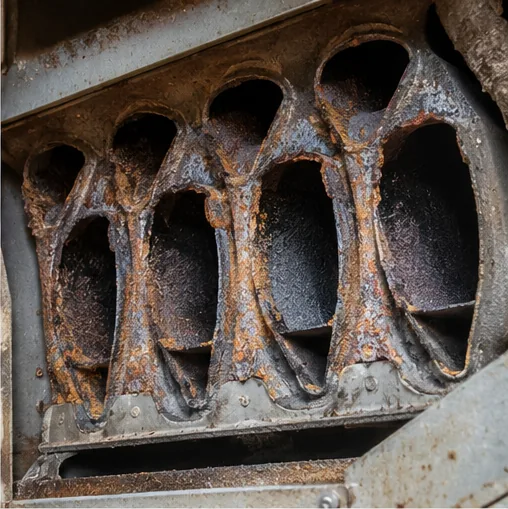
Signs
Leaks & disconnects
Gaps at joints, separated flex runs, and unsealed seams let heated air escape into the basement and pull dust into the system.
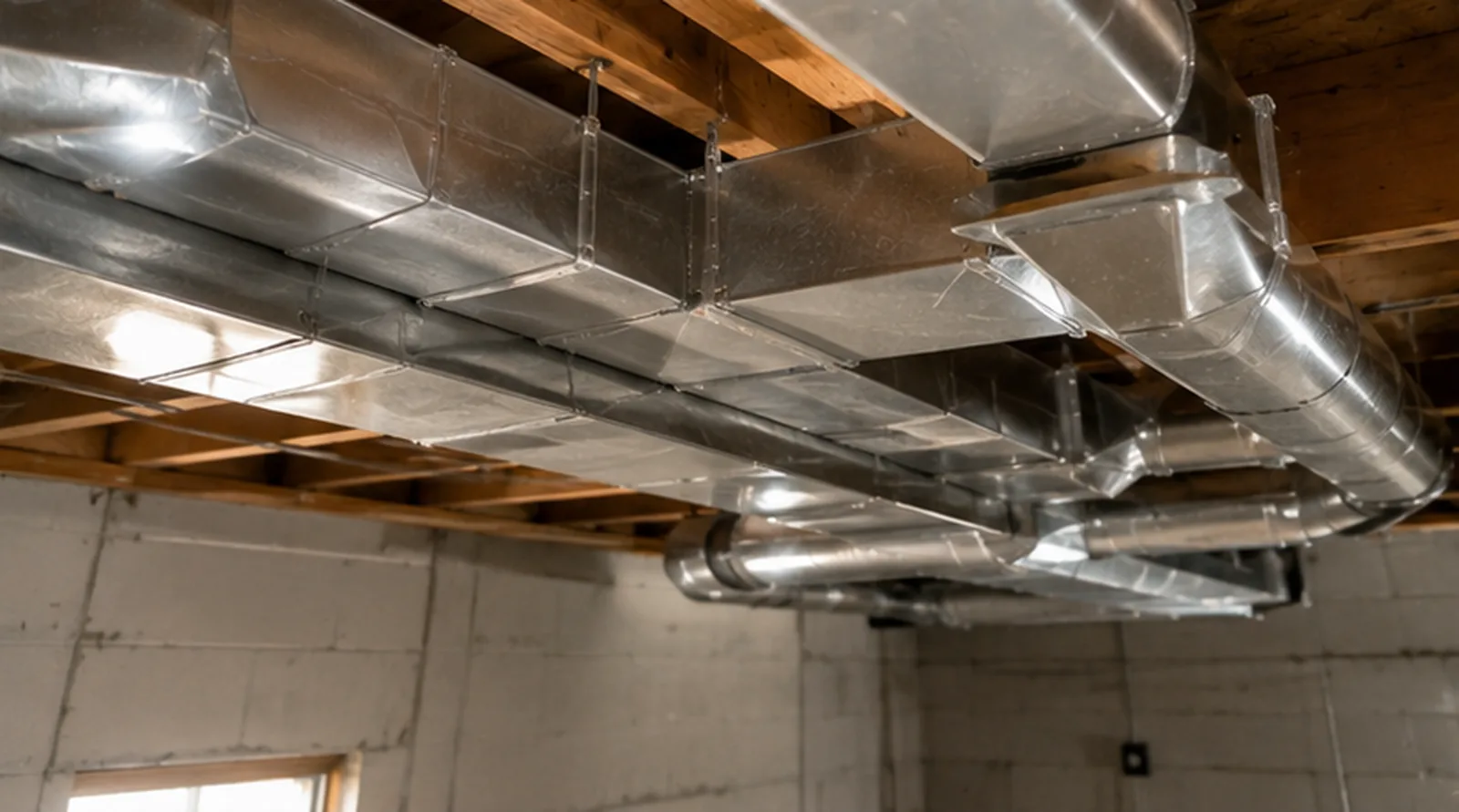
Ducts are out of sight, so their problems go unnoticed — until rooms run cold, dust never settles, and the furnace works overtime to make up for air that's leaking into the basement.
Every standard inspection covers the visible ductwork, registers, and filter. Get your free quote, pick a time, and add thermal imaging to map hidden duct losses.
Ductwork is the network of metal and flex runs that carries heated and cooled air from the furnace to every room and pulls it back through the returns. "Dirty ductwork" covers more than dust: it includes heavy debris buildup, leaking joints and disconnected sections, crushed or kinked flex runs, missing insulation in unheated spaces, and signs of past moisture or pest activity inside the ducts.
Because it's tucked into basements, crawlspaces, and ceilings, the duct system is easy to ignore — but it has an outsized effect on comfort, efficiency, and air quality. We follow the visible runs as part of the HVAC inspection.
Get Your Free Quote →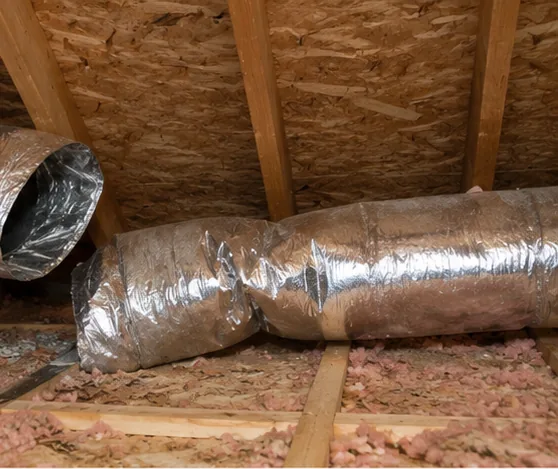
The clues show up at the registers, in the air, and along the runs themselves.
Gaps at joints, separated flex runs, and unsealed seams let heated air escape into the basement and pull dust into the system.
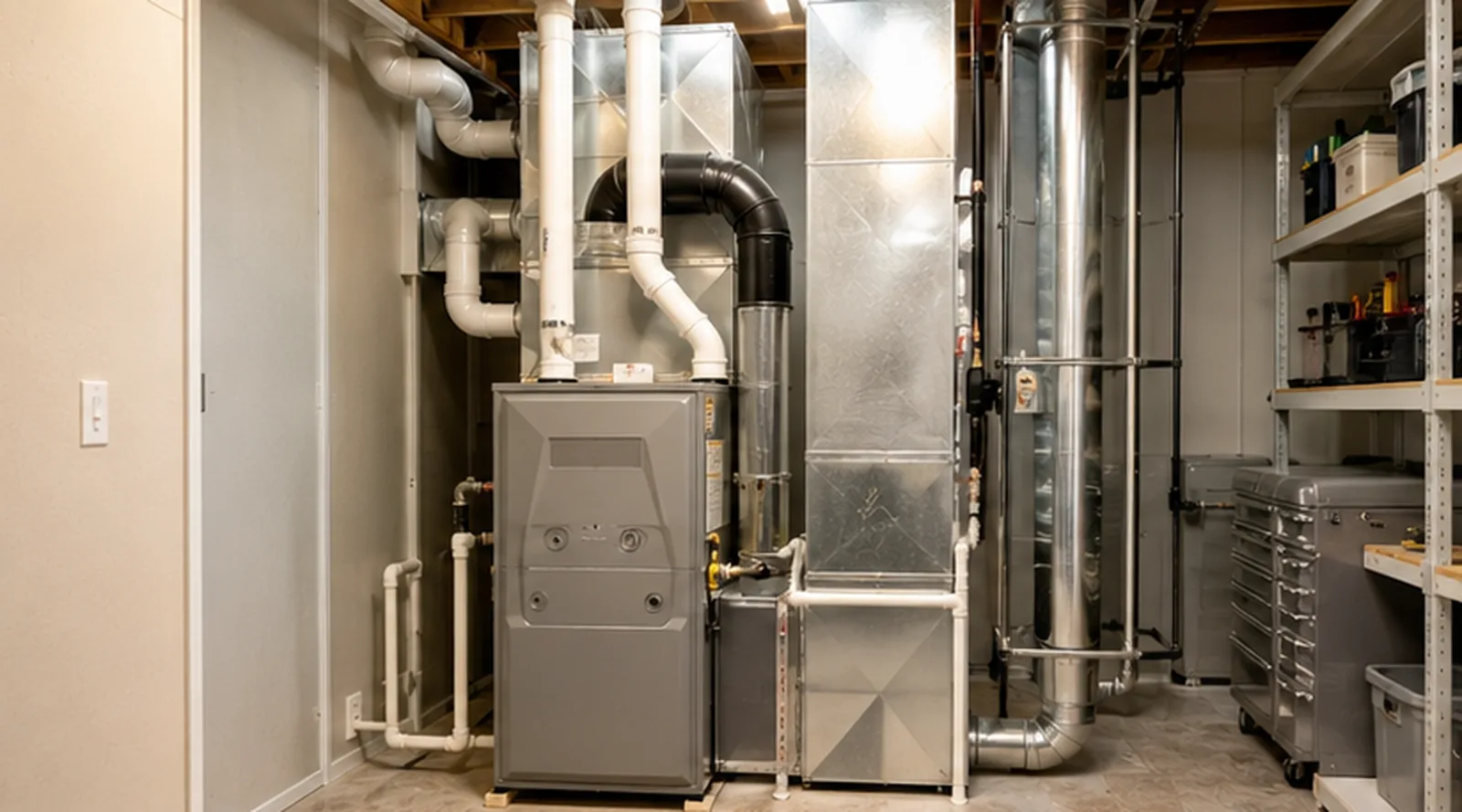
Skipped filter changes let dust bypass the filter and coat the ducts and blower, the most common cause of a dirty system.
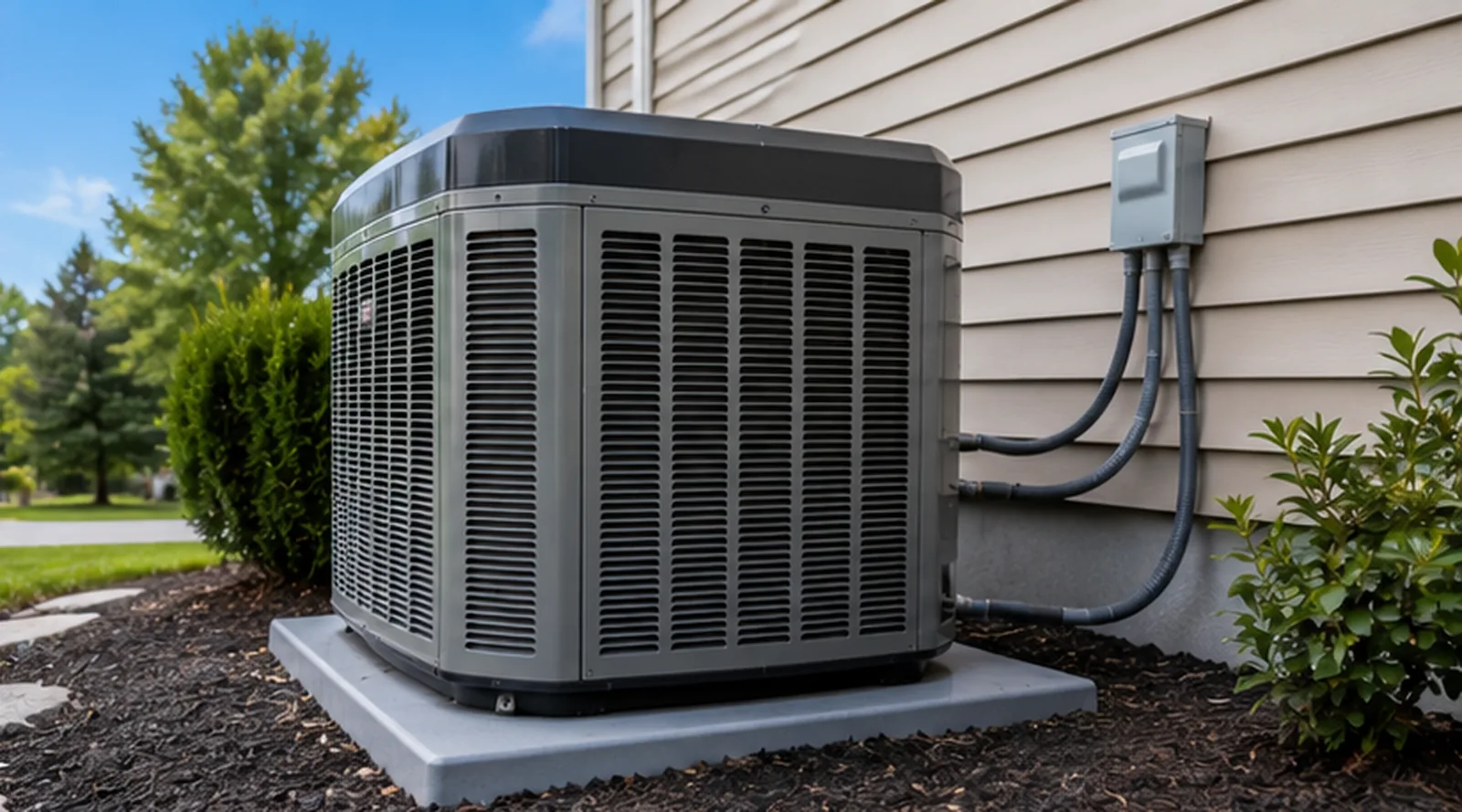
Rooms that never warm up, dust that resettles fast, and musty air when the system runs all point to dirty or leaking ducts.
Leaks in an unheated basement or crawlspace dump heated air you paid for, so the furnace runs longer all winter.
Disconnected or crushed runs starve far rooms of airflow, leaving bedrooms over the garage perpetually chilly.
Dust, allergens, and debris circulating from dirty ducts affect everyone in the home, especially through a closed-up winter.
Poor airflow makes the furnace and blower work harder, shortening their life and raising the odds of breakdown.
Ducts in damp crawlspaces can collect condensation and even harbor mold, a concern we note for further evaluation.
Leaky, dirty ducts can waste a meaningful share of heating energy — money quietly leaving the house every cold day.
We trace the visible supply and return ducts in the basement, crawlspace, and mechanical room.
We look for leaking joints, disconnected sections, crushed flex, and missing insulation.
We check registers and the filter, noting weak airflow and rooms that may be starved.
Buildup, leakage, and repair needs are photographed and prioritized in your 24-hour report.
Most dirty-duct issues are fixable with maintenance: routine filter changes, professional cleaning where buildup is heavy, and sealing or reconnecting leaky joints with mastic or proper tape. Insulating ducts that run through unheated spaces pays for itself over a Minnesota winter. Crushed or badly disconnected runs may need an HVAC contractor to replace sections.
We don't quote those costs, but we'll document exactly what we find — buildup, leaks, disconnections, missing insulation — so you know whether the system needs a simple cleaning or more involved repair before you rely on it for a long heating season.
Get Your Free Quote →Dirty ducts often tie back to a neglected system. Read about no furnace maintenance, the aging furnace, an undersized air conditioner, and improper venting. See the full Defect Library, our HVAC inspection, or everything in a home inspection. We serve Hutchinson and McLeod County.