Signs
Never reaches setting
The unit runs nearly nonstop on hot days yet the house stays warm and humid, and the thermostat setting is rarely met.
Minnesota summers swing hot and humid. An A/C that's too small for the house runs all day, never reaches the setting, and wears itself out — leaving you uncomfortable and overpaying.
Every standard inspection evaluates the central air conditioner when the weather allows. Get your free quote, pick a time, and book online in minutes.
An air conditioner is sized to a home's cooling load — its square footage, insulation, windows, sun exposure, and ceiling height. An undersized unit simply can't move enough heat out of the house on a hot day. It runs and runs without ever satisfying the thermostat, leaving rooms warm and the air sticky because it also can't keep up with humidity removal.
It's easy to assume any cooling problem means the unit is broken, but an undersized system can be in perfect working order and still fail to keep the house comfortable. We evaluate capacity and performance as part of the HVAC inspection.
Get Your Free Quote →The pattern is constant running with poor results — and a few common backstories.
The unit runs nearly nonstop on hot days yet the house stays warm and humid, and the thermostat setting is rarely met.
A finished basement or addition that added load, or removed shade trees and bigger windows, can leave a once-adequate A/C too small.
A replacement condenser chosen by price instead of a load calculation — or paired with too-small ducts — leaves cooling short.
Hutchinson summers bring stretches of 90-plus heat and humidity when an undersized unit simply can't keep the house livable.
An A/C that short on capacity also fails to wring out humidity, leaving the air clammy even when the temperature drops a little.
Running nonstop wears the compressor out years early, turning a comfort complaint into a costly replacement.
An undersized system runs longer to do less, pushing summer electric bills up without delivering the comfort.
Persistent indoor humidity can encourage condensation, musty odors, and the conditions that lead to mold over time.
If you tour in cool weather, you may never notice — until the first heat wave after you move in.
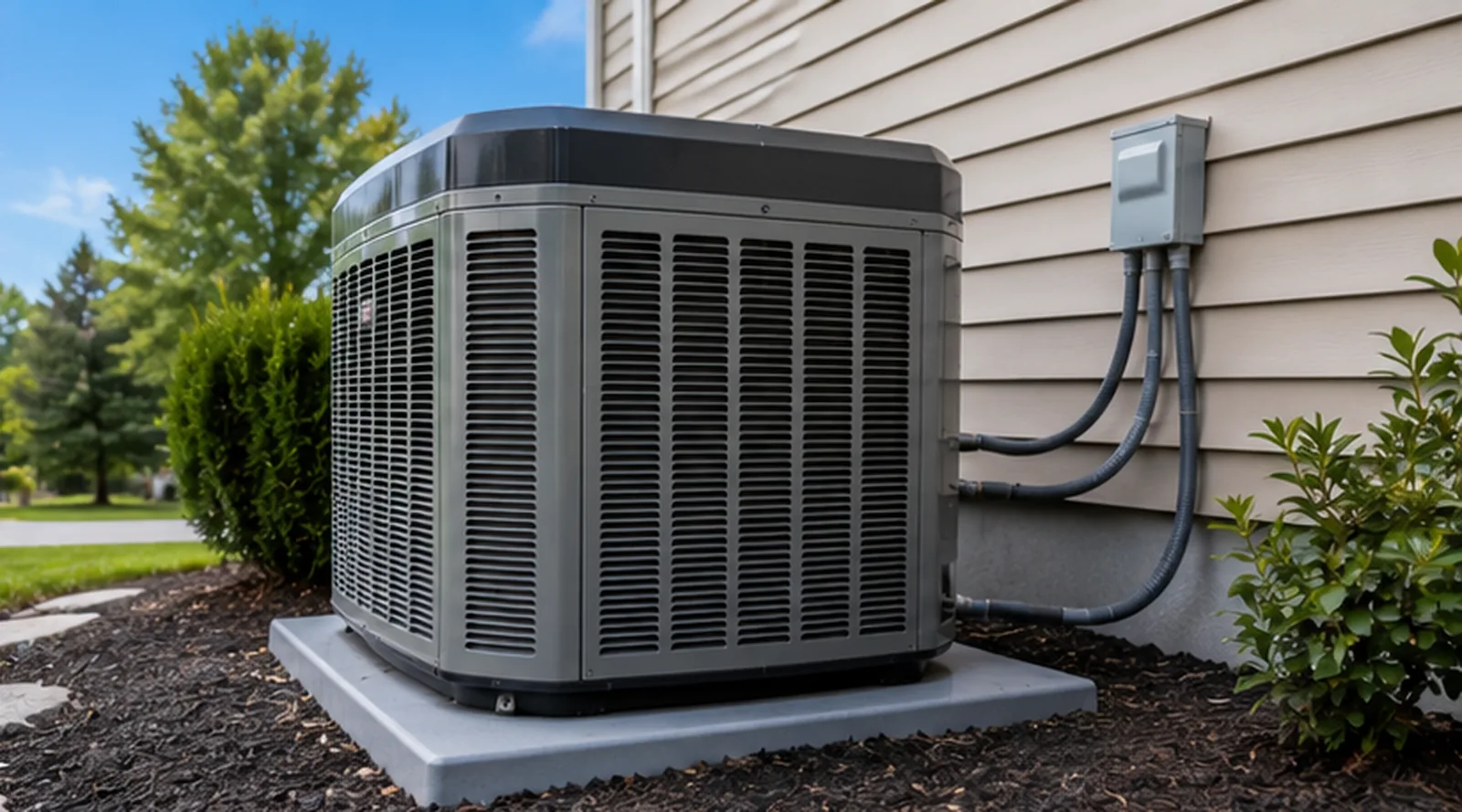
We note the condenser's rated capacity from the data plate and consider it against the home's size.
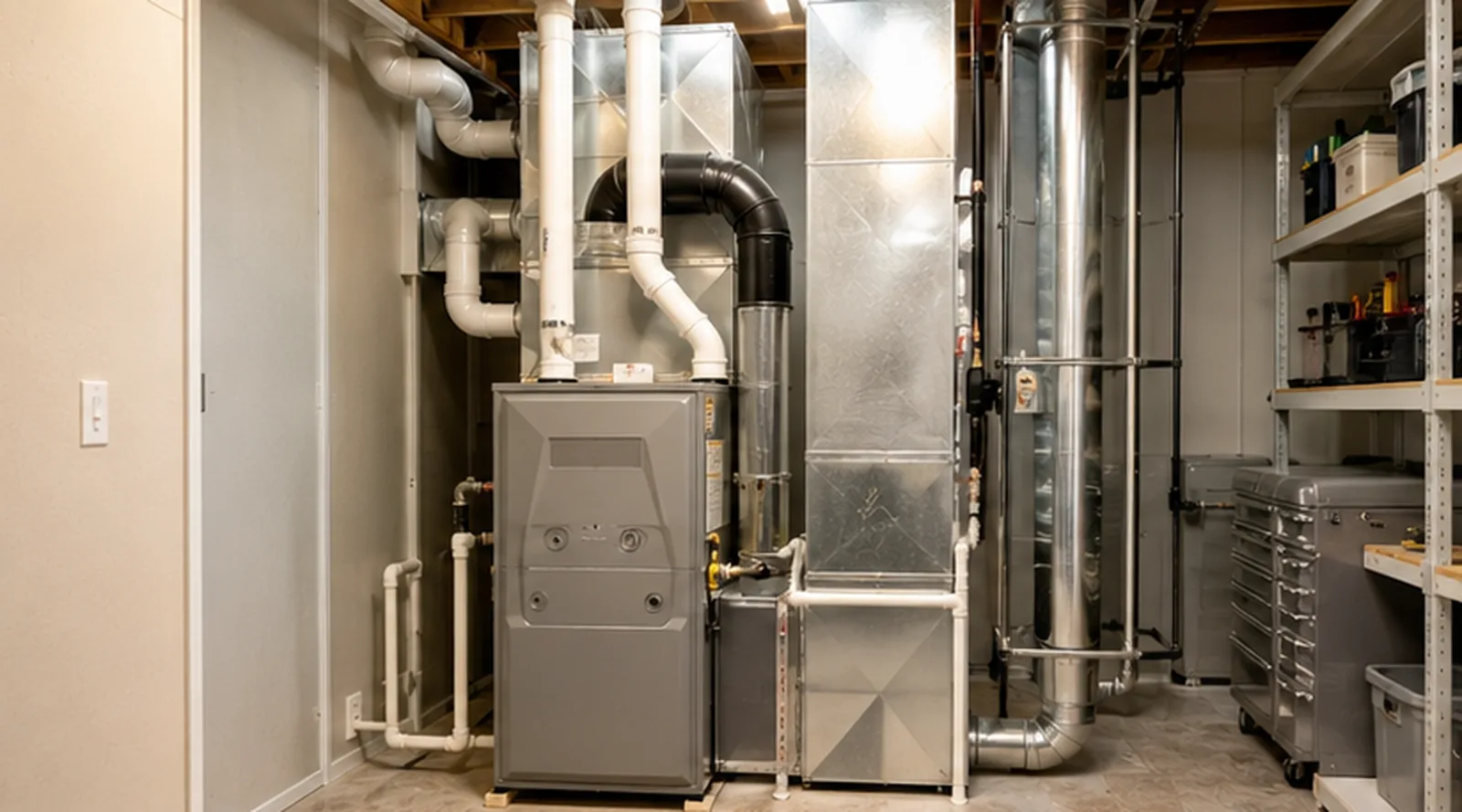
When it's warm enough, we run the system and check the temperature drop across the air handler.
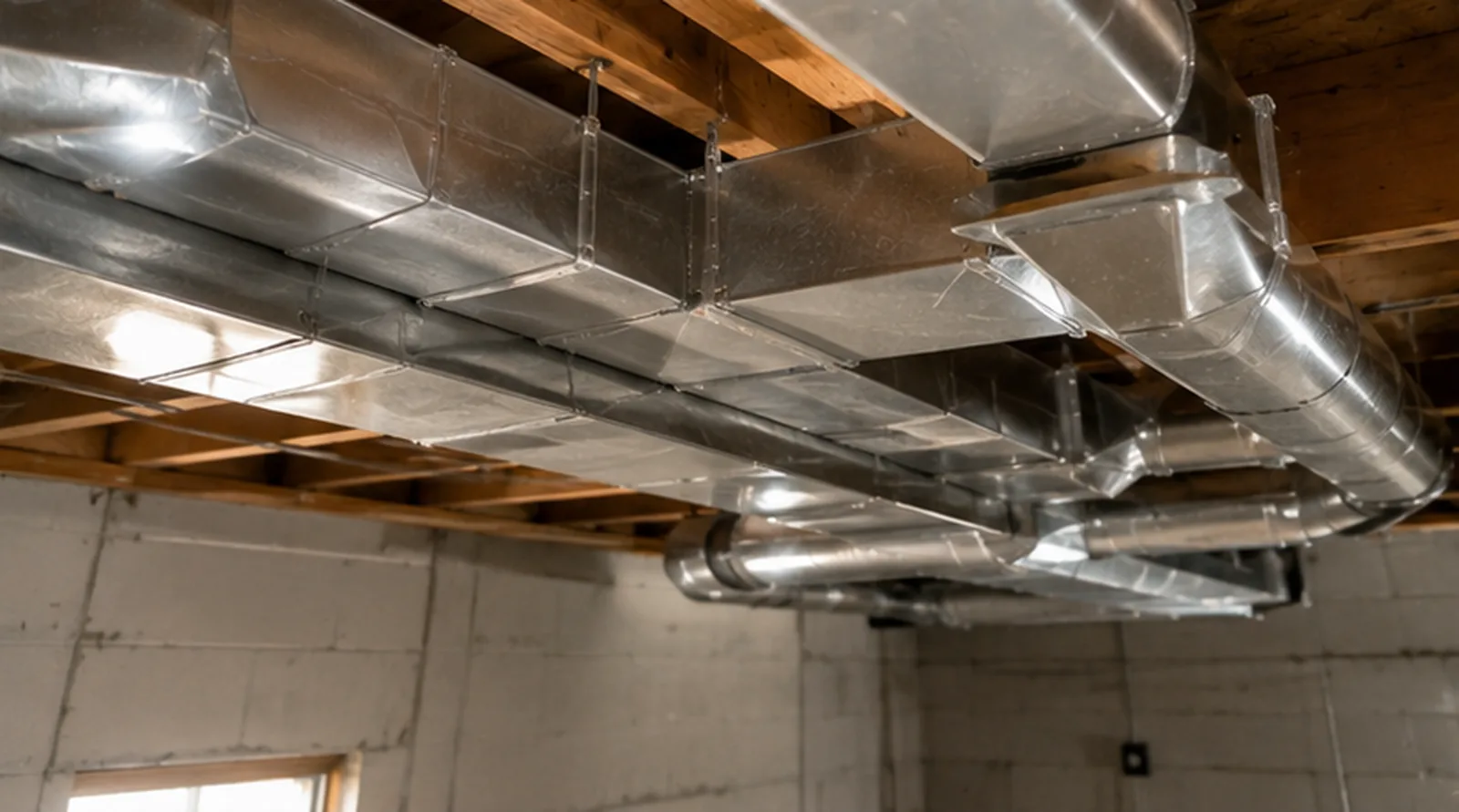
We inspect the condenser, lines, disconnect, and ductwork that affect how cooling is delivered.
A likely capacity mismatch or weather limitation is documented in your 24-hour report.
Sometimes what looks like undersizing is really a fixable problem — a dirty coil, low refrigerant, restricted airflow, or leaky ducts robbing capacity — so the first step is having a licensed HVAC contractor verify whether the unit is genuinely too small. If a proper load calculation confirms the system can't meet the home's needs, the long-term fix is a correctly sized replacement, sometimes paired with duct or insulation improvements.
We don't quote those costs. We give you a documented picture of the unit's capacity and performance so you can have that conversation with a contractor before you're stuck through a Minnesota heat wave.
Get Your Free Quote →Cooling problems often trace back to the wider system. Read about dirty ductwork, no furnace maintenance, the aging furnace, and improper venting. See the full Defect Library, our HVAC inspection, or everything in a home inspection. We serve Hutchinson and McLeod County.