Structural
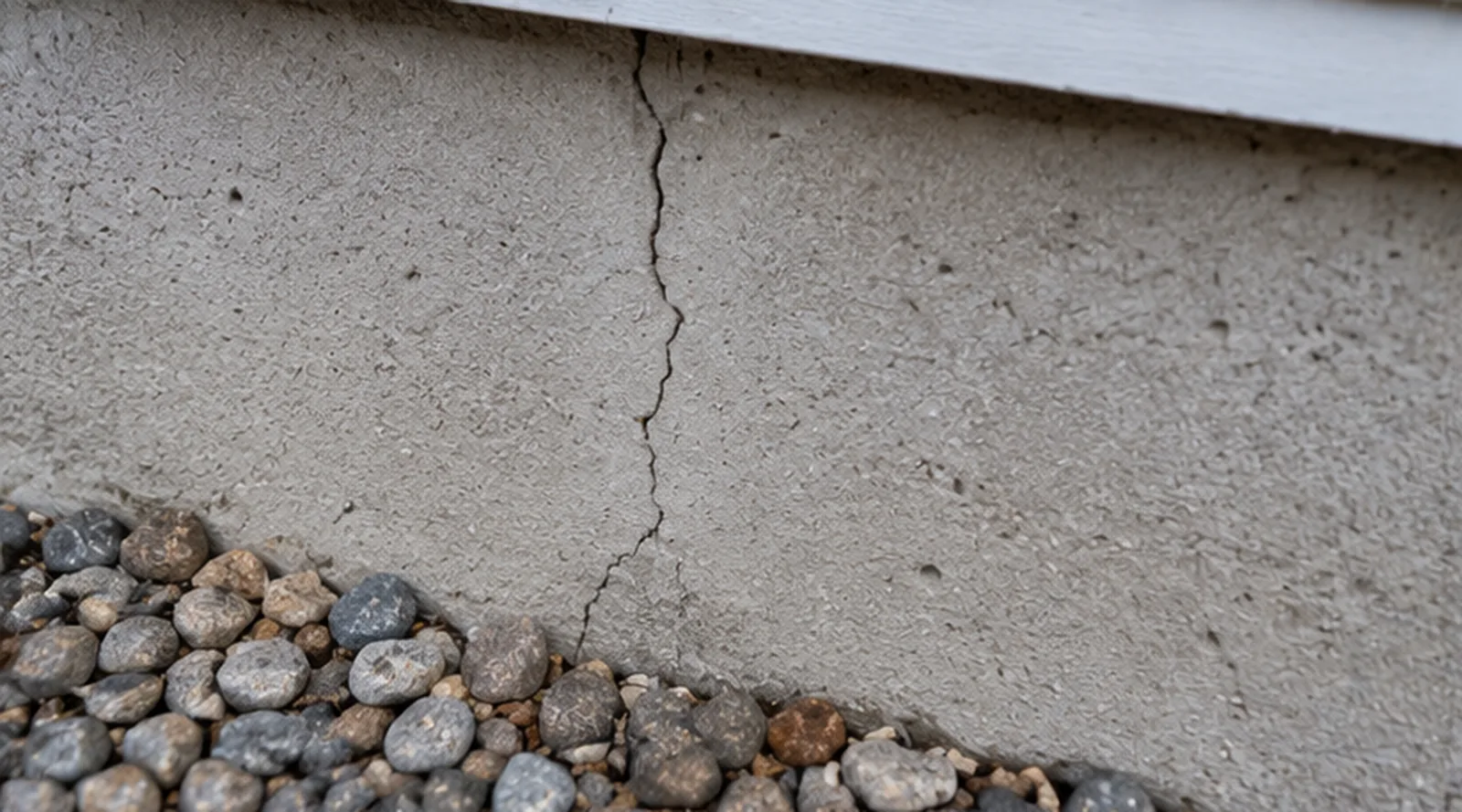
Stair-step cracks
Diagonal cracking that follows the mortar joints in block and brick — a key sign of differential settlement or soil pressure.
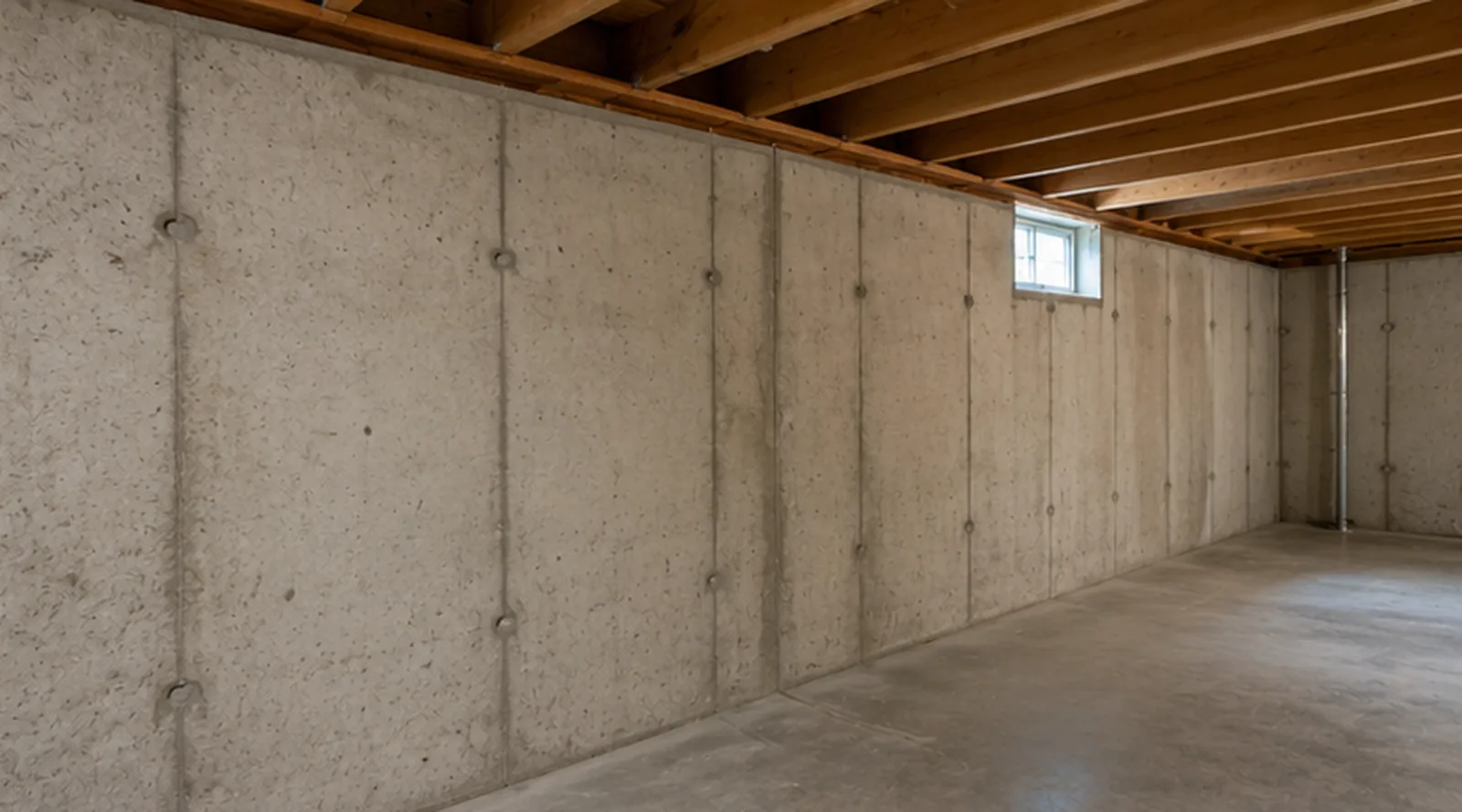
A plain-English library of the foundation, moisture, and mold problems we find most often in Hutchinson and McLeod County homes — what each one is, why it happens here, and when it's worth worrying about.
Most of the calls we get start the same way: someone spotted a crack in the basement, a damp corner after snowmelt, or a musty smell they can't place. This library walks through each of those findings the way we would on-site — what it is, what causes it in Minnesota's climate, the warning signs, the risk if it's ignored, and the general repair direction.
It's written for buyers, sellers, and owners, not engineers. Every guide ties back to the system we inspect it under — see the full 120-point inspection or the foundation inspection to understand how these findings land in your report.
Get Your Free Quote →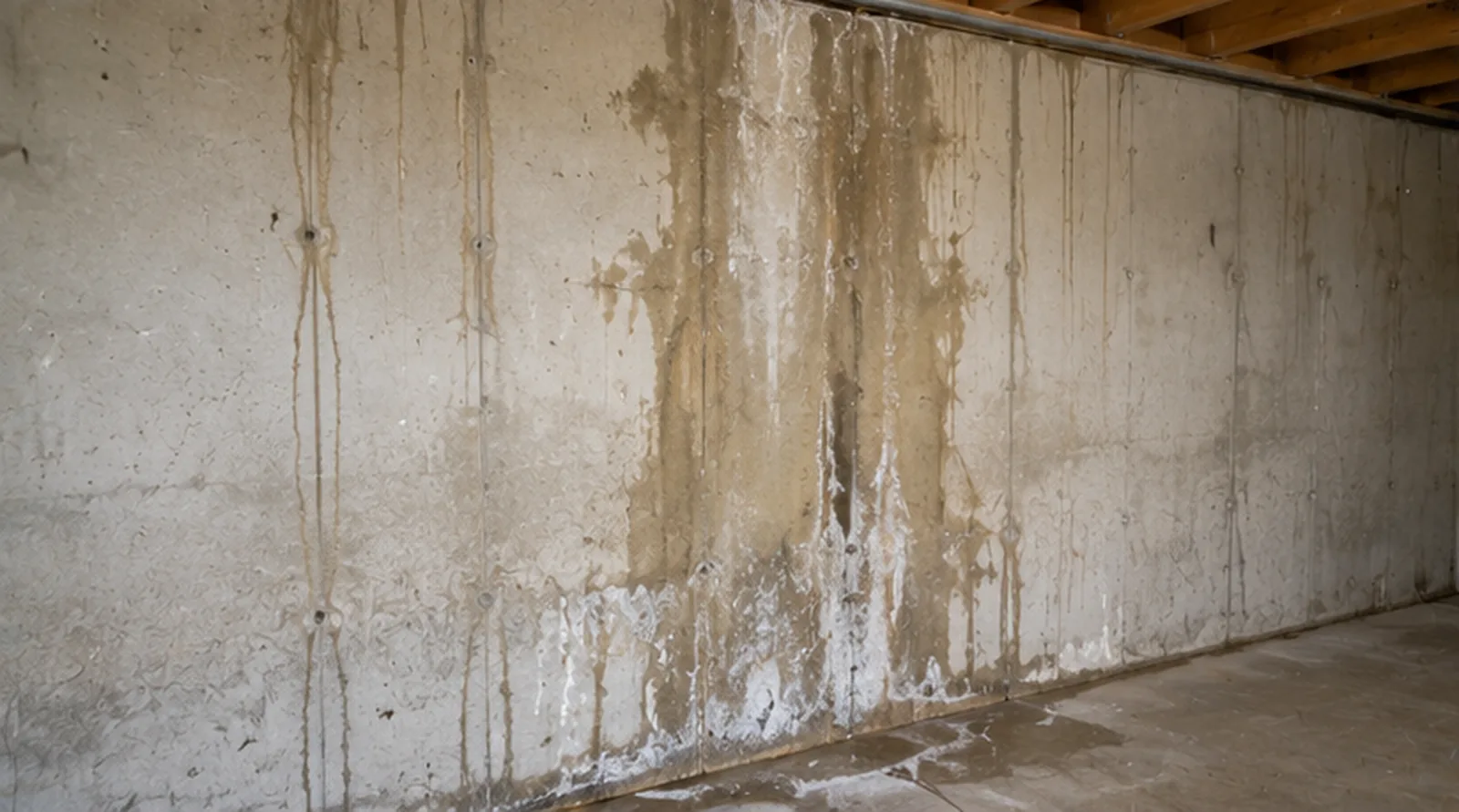
Every standard inspection covers structure, foundation, and moisture. Get your free quote, choose a time, and add thermal imaging or mold testing to map what's hidden.
The findings that decide whether a foundation is sound or under pressure.
Diagonal cracking that follows the mortar joints in block and brick — a key sign of differential settlement or soil pressure.
Mid-wall horizontal cracking from lateral soil and frost pressure — one of the most serious foundation findings.
Walls that curve, lean, or bulge inward under the load of saturated, frozen soil pushing against them.
Uneven sinking of the footings, showing up as sticking doors, sloped floors, and diagonal cracks above openings.
The white, powdery mineral residue left behind when water passes through concrete or block — a moisture fingerprint.
Spalling, cracking, and heaving caused by Minnesota's deep frost line and repeated freeze-thaw cycles.
The seepage, drainage, and mold problems that follow Minnesota snowmelt and humidity.
Water entering at the wall-floor joint, cracks, or pipe penetrations, often worst during spring melt.
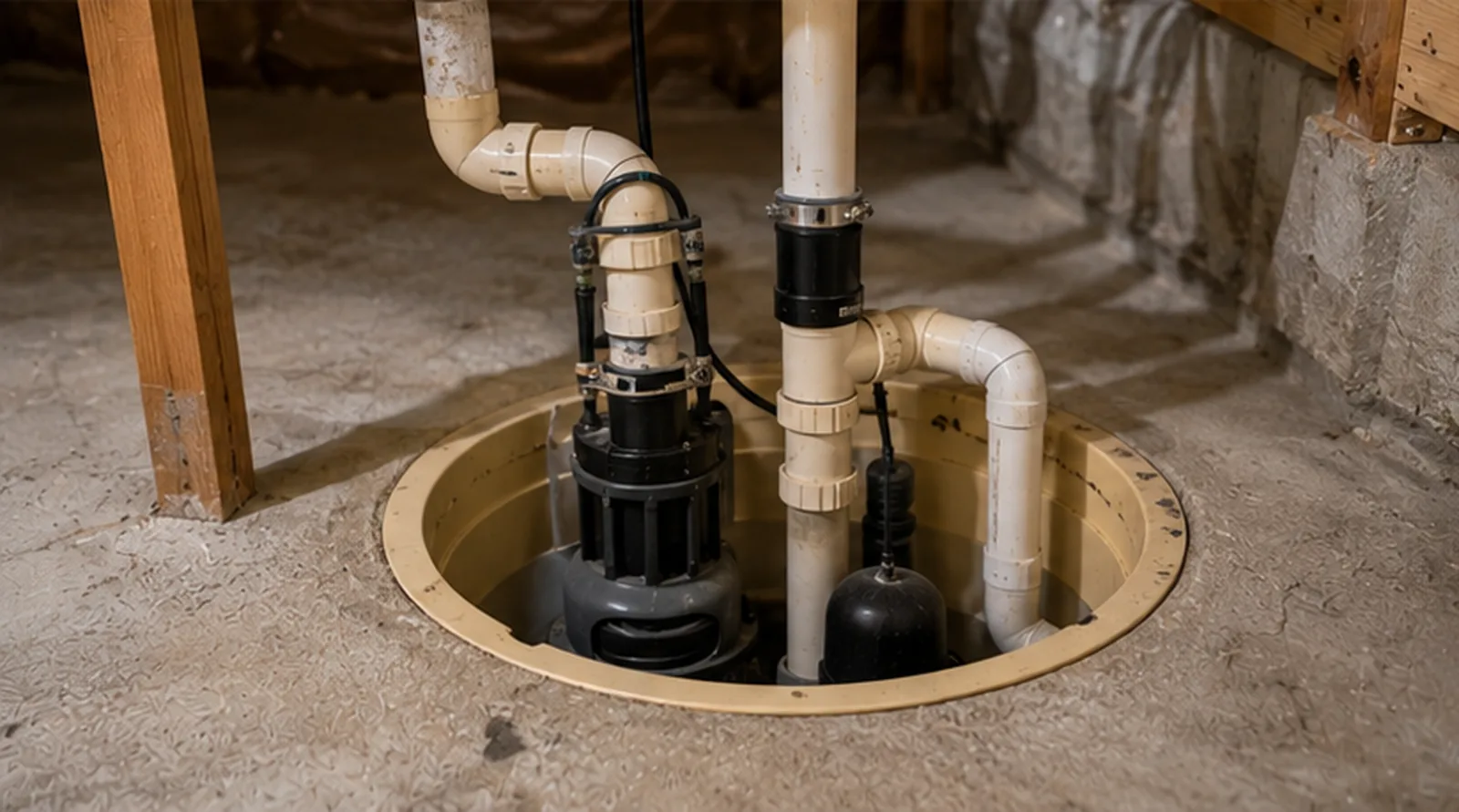
A dead, undersized, or backup-less pump is the difference between a dry basement and a flooded one.
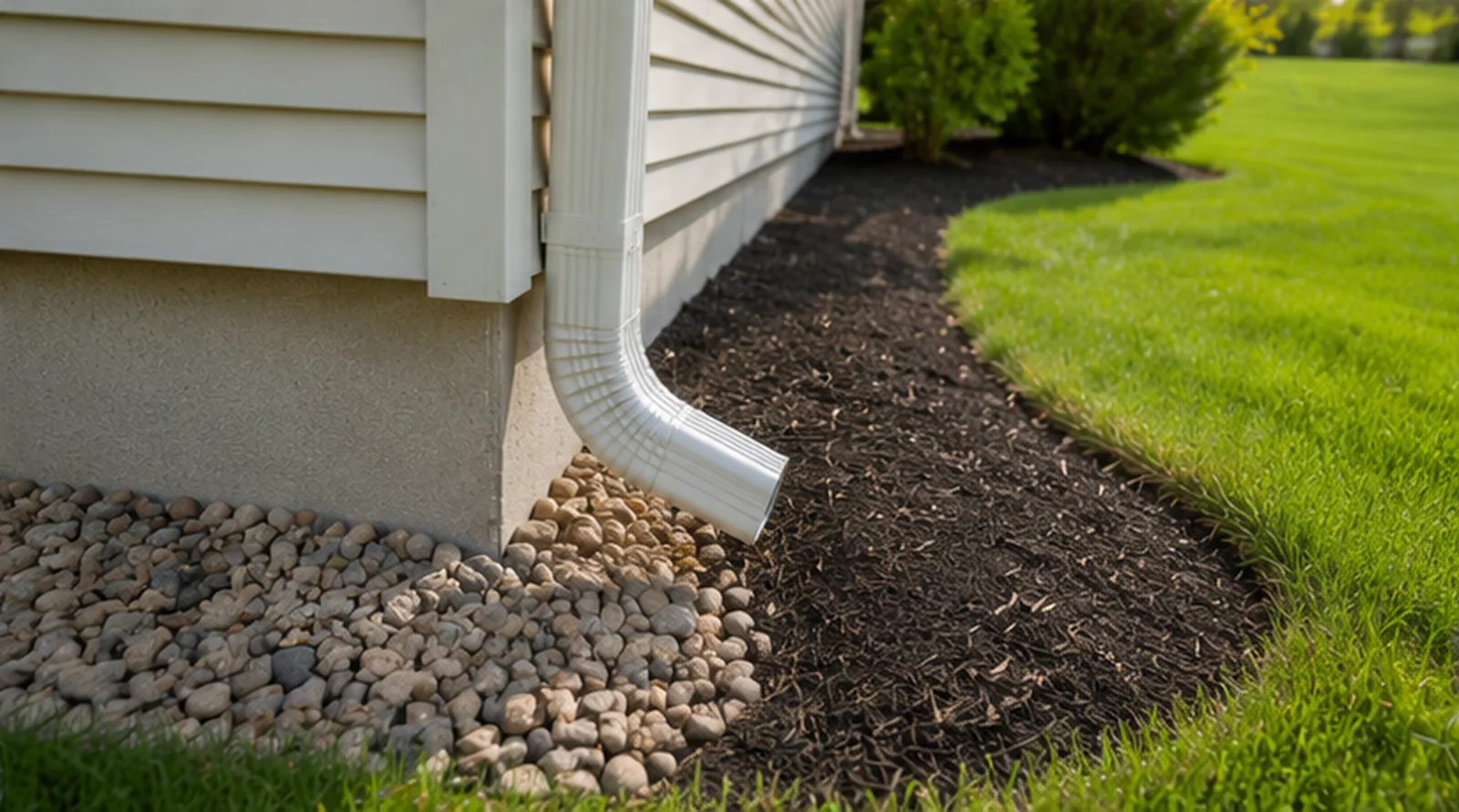
Soil sloping toward the house and short downspouts that steer water straight at the foundation.
Standing water, damp soil, and humidity under the home that rots framing and feeds mold.
Musty odors and growth behind finished walls, fed by chronic moisture and poor air movement.
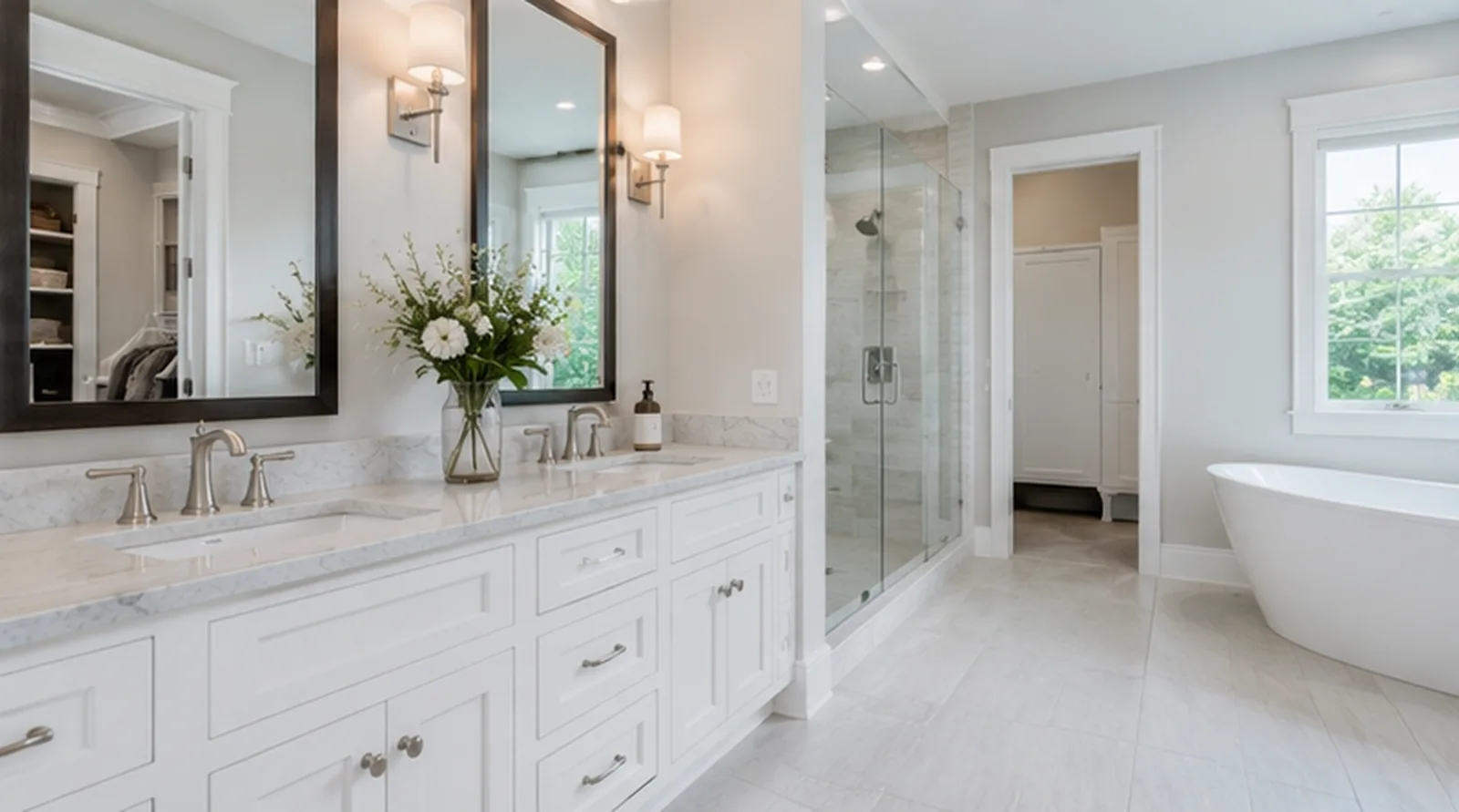
Growth on grout, ceilings, and around fans where shower humidity has nowhere to go.
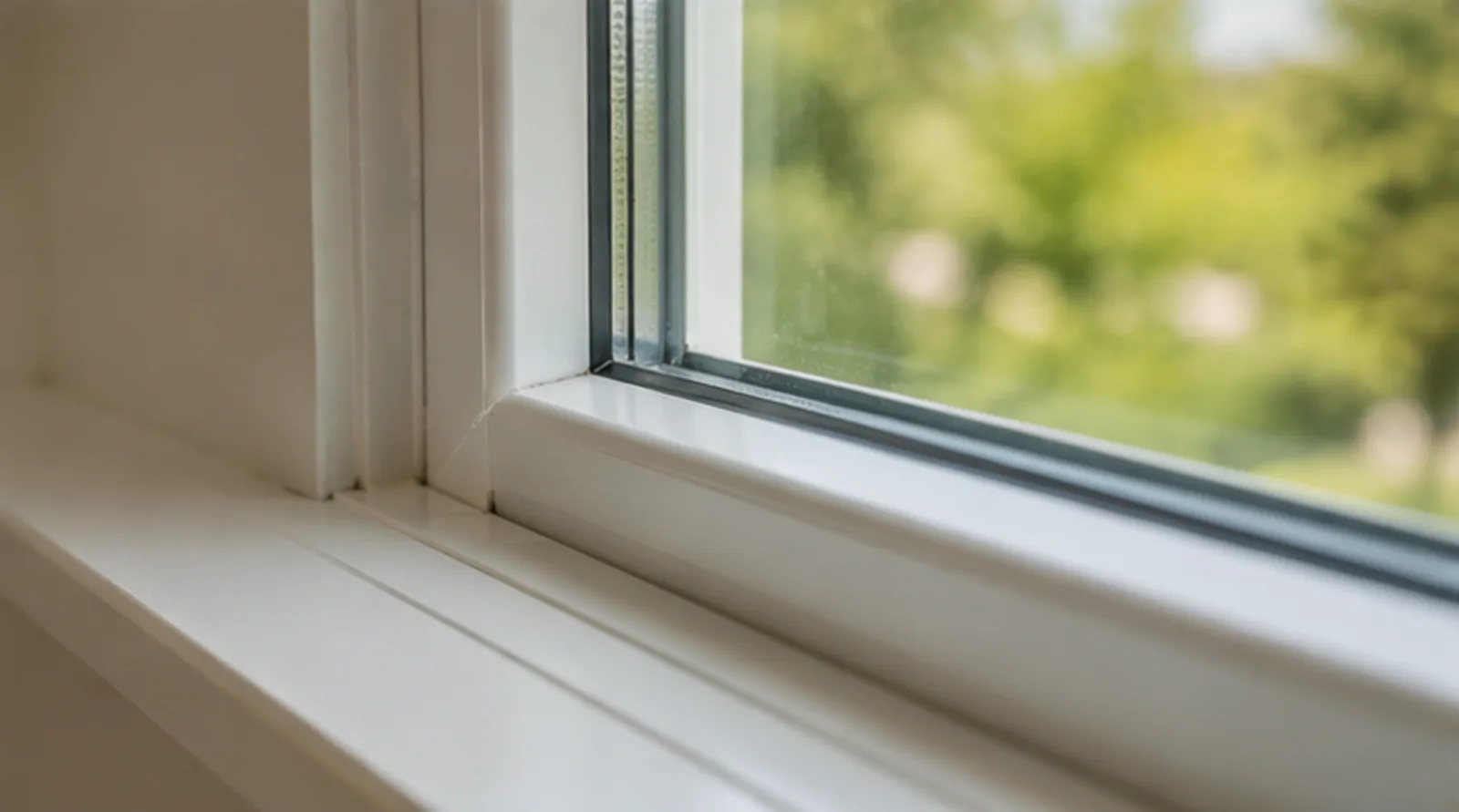
Fogging, frost, and trapped moisture between panes that signal failed seals and high indoor humidity.
Storm damage, leaks, and ventilation problems on Minnesota roofs.
The stains and clues that reveal a roof is letting water into the structure.
Curling, cracking, and granule loss that shorten a roof's remaining life.
The bruising and impact marks that follow a McLeod County hailstorm.
Lifted, creased, and missing shingles after high straight-line winds.
Failed flashing at the chimney, a leading source of roof leaks.
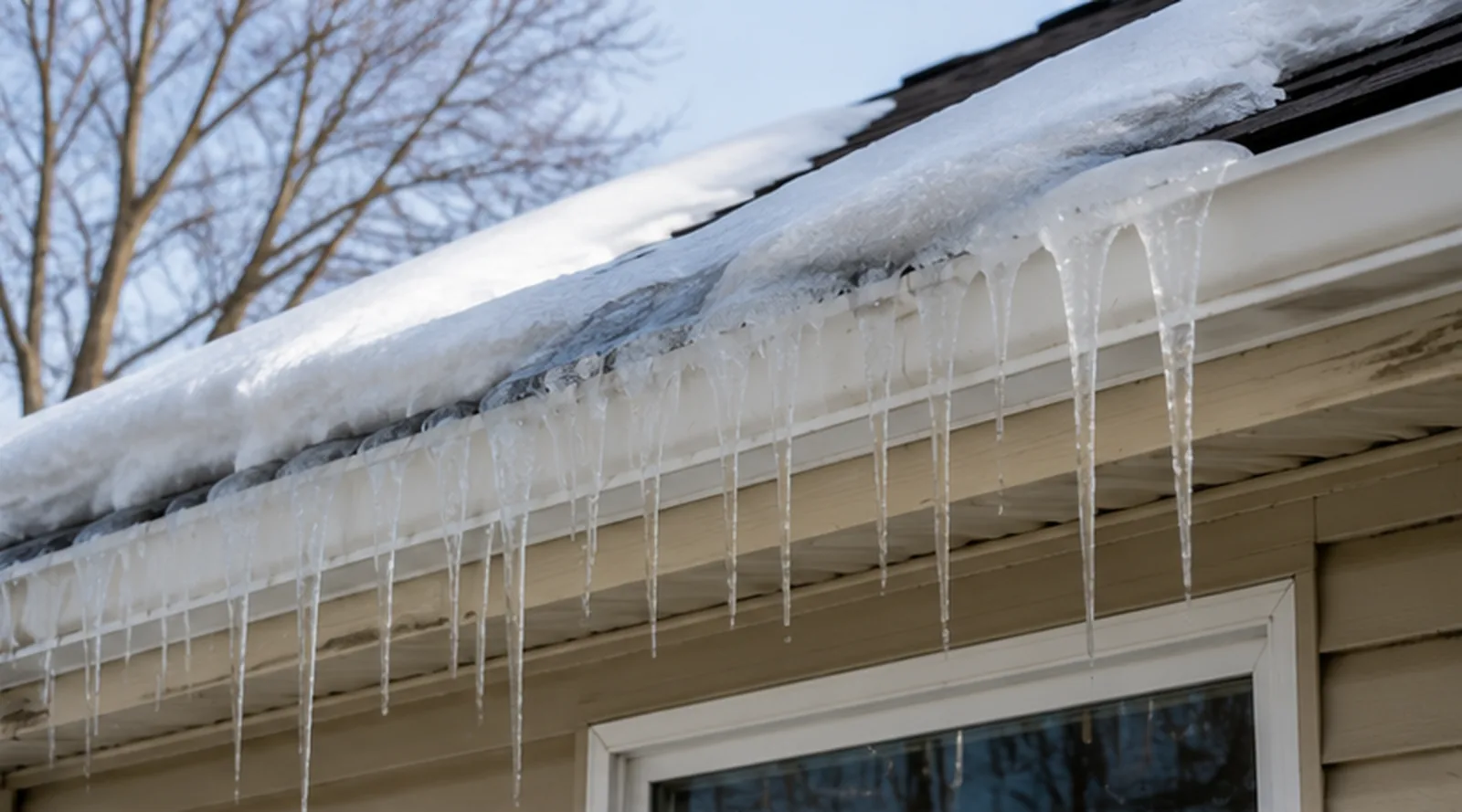
The winter ridge of ice that backs meltwater up under the shingles.
Poor attic airflow that drives ice dams, moisture, and shortened roof life.
Safety findings that turn up in older Hutchinson homes.
A panel brand with a documented history of breakers that fail to trip.
Early-1900s wiring still found in some older homes, with real limitations.
Branch-circuit aluminum that needs special connections to be safe.
Two wires on one breaker — a common, correctable wiring defect.
Outlets near water that lack the shock protection now required.
Three-prong outlets with no actual ground connection behind them.
Breakers rated higher than the wire they protect — a fire risk.
Aging materials and leaks behind water damage and surprises.
A gray plastic supply pipe prone to failure that insurers may flag.
Old steel supply lines that corrode shut and restrict water flow.
Drips and weeping connections that quietly feed water damage and mold.
Waste lines pitched wrong, causing slow drains and recurring clogs.
The corrosion and age signs that a tank is near failure.
HVAC findings that matter through a long Minnesota heating season.
The age and condition signs that a furnace is nearing replacement.
A serious furnace defect that can leak combustion gases into the home.
A cooling system that can't keep up on the hottest days.
Restricted, dirty ducts that hurt airflow and air quality.
Combustion and exhaust venting done wrong — a safety concern.
The wear that comes from years without service or filter changes.
Every defect in this library is documented under one of the eight systems of the full 120-point home inspection. Foundation and moisture findings come from the foundation, crawlspace, and moisture inspections; add mold testing or thermal imaging when hidden moisture is suspected. We serve Hutchinson and McLeod County.