Warning Sign
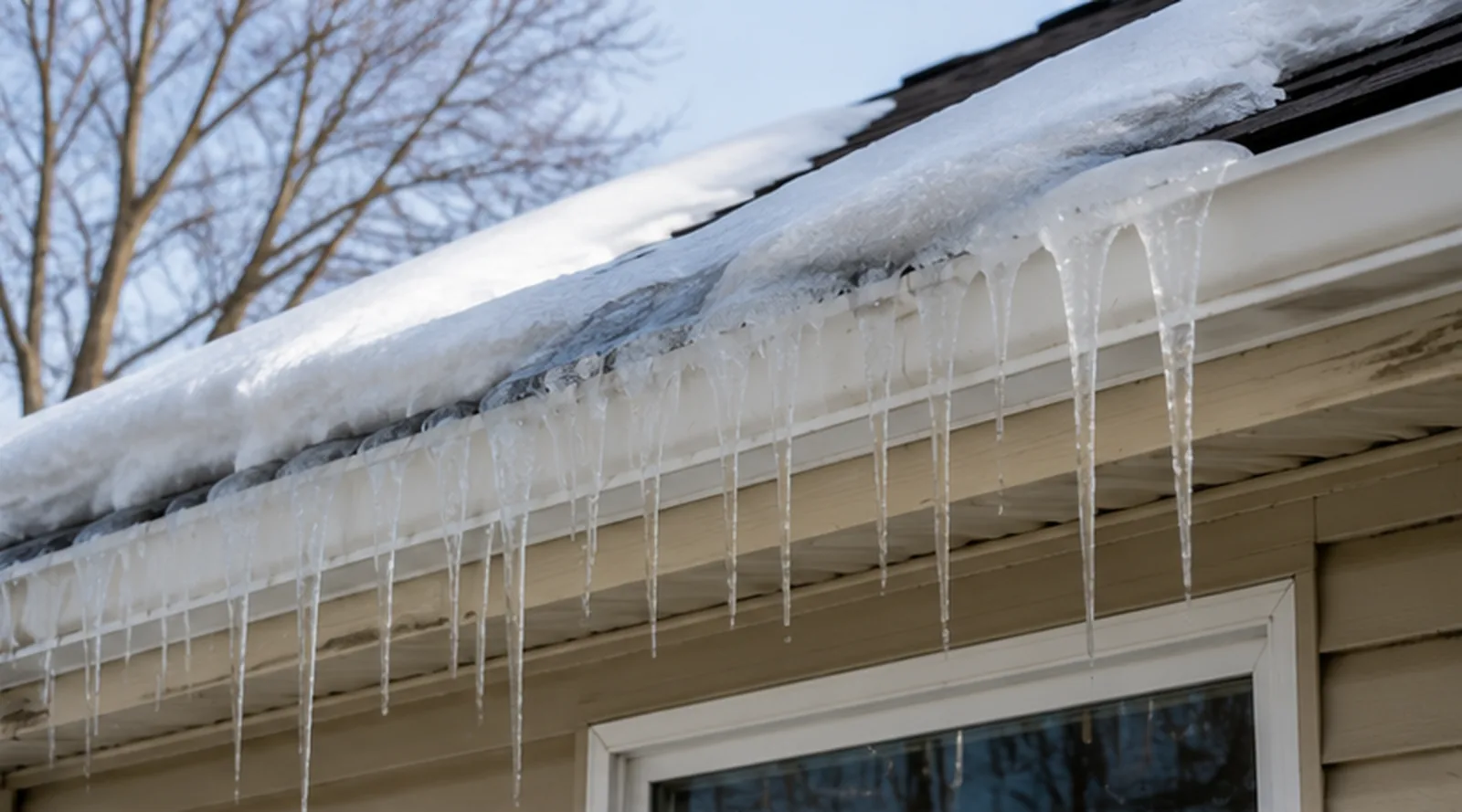
Thick eave ice & icicles
Heavy ridges of ice and large icicles at the gutters mean meltwater is freezing at the edge — the exact condition that forces water under the shingles.
Those thick ridges of ice at the eaves aren't just a winter nuisance — they push water back under the shingles and into the ceilings below. Here's how they form in Hutchinson, what they damage, and how we trace them to the real cause.
Our 120-point inspection ties the roof, attic, and ventilation together so you know whether ice dams are a one-time fluke or a built-in problem. Get a free quote and book online.
An ice dam is a wall of ice that builds up along the lower edge of a roof. It forms when heat leaking into the attic warms the roof deck and melts the snow above it. That meltwater trickles down to the eaves and the overhang — which stay below freezing because there's no attic heat under them — and refreezes. Layer by layer, the dam grows, and the pool of water behind it has nowhere to go but sideways and up, under the shingles.
In Hutchinson, where deep snow can sit on a roof for weeks and overnight lows plunge well below zero, the cycle repeats all winter. The cause is rarely the weather — it's inadequate attic insulation, air leaks from the living space, and poor roof ventilation. That's why we inspect the roof and attic as one connected system in the full 120-point inspection.
Get Your Free Quote →The ice melts in spring, but the damage and the warning signs stay all year.
Heavy ridges of ice and large icicles at the gutters mean meltwater is freezing at the edge — the exact condition that forces water under the shingles.
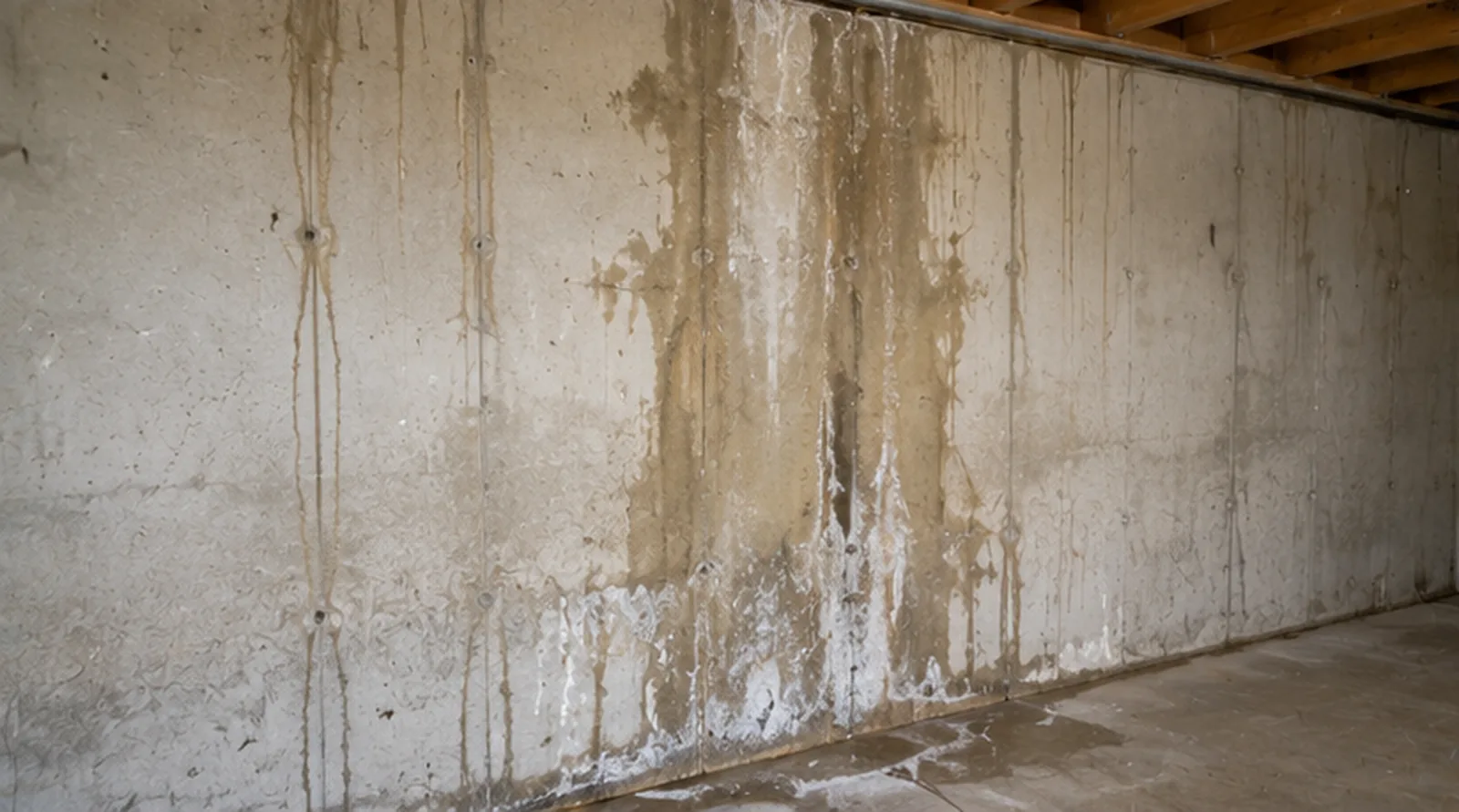
Backed-up water leaks into the attic and shows up as brown stains on ceilings and exterior walls — often the first thing a buyer notices.
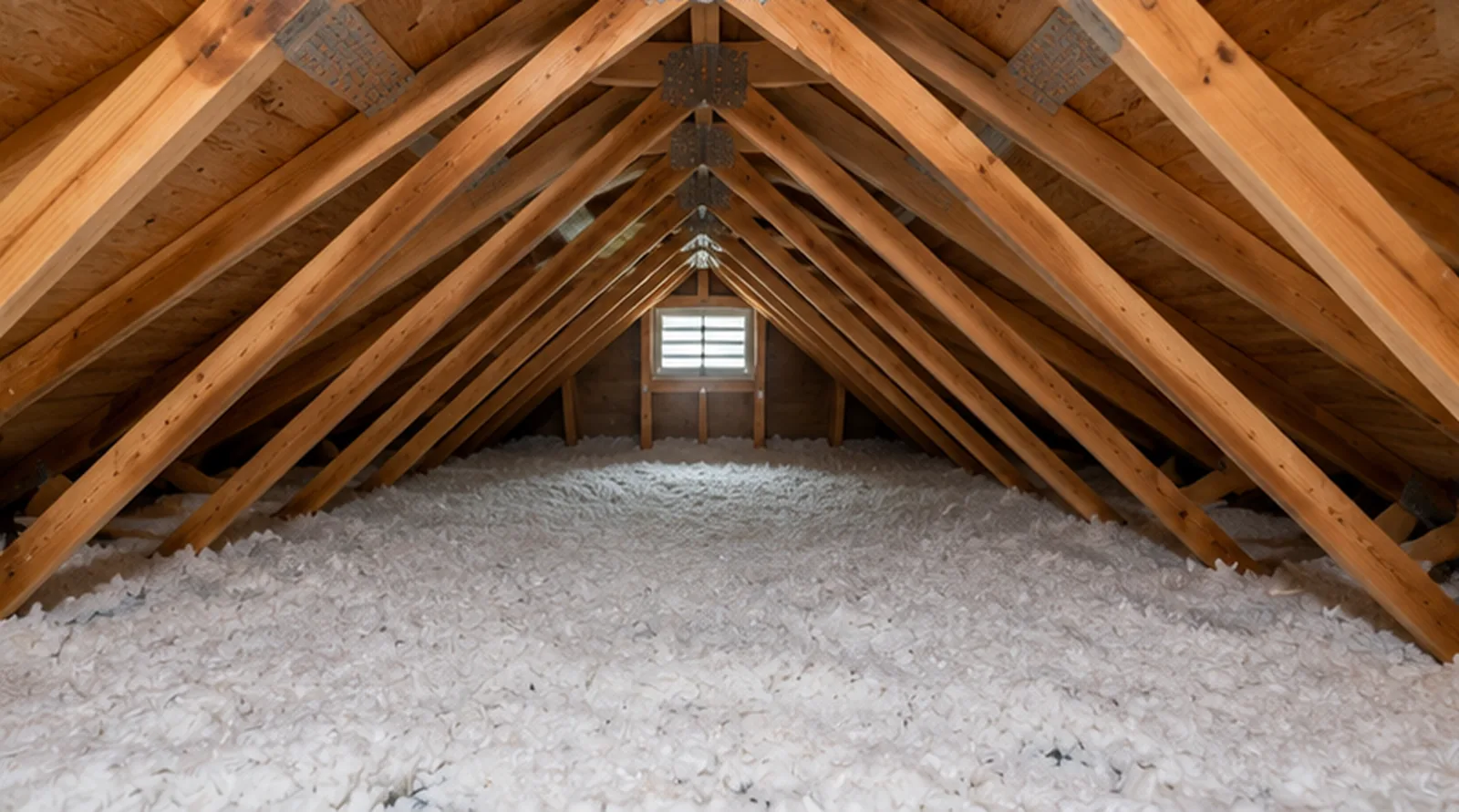
Thin insulation and blocked vents let warm air reach the roof deck. We measure insulation depth and check for the airflow path that prevents dams.
Water trapped under shingles soaks the roof deck, leading to soft, delaminated plywood and the conditions for attic mold.
Ice working under the shingles lifts and cracks them at the eaves, shortening the life of the whole roof edge.
Leaking water mats down attic insulation, so it loses R-value and the next winter is even worse.
Stained ceilings, peeling paint, and damp drywall along exterior walls and in rooms below the eaves.
The weight of ice pulls gutters loose and bends fascia, adding to drainage problems at the foundation.
Chronic moisture in the attic and wall cavities can feed mold growth that affects the air in the home.
We look at the eaves and lower roof for lifted shingles, rust marks, and prior ice-and-water-shield repairs.
From inside we check for stained sheathing, daylight at the eaves, and insulation that's been wet or compressed.
We verify insulation depth, look for missing baffles, and confirm soffit and ridge vents are open.
You get prioritized photos in a 24-hour report, plus a plain-English explanation of the fix.
Ice dams rarely travel alone. See related issues like roof ventilation problems, inadequate attic insulation, missing attic baffles, and attic mold on sheathing. Learn how we evaluate the whole system in our roof inspection and attic inspection, or browse the full defect library and the complete home inspection. We serve Hutchinson and McLeod County.