✓ InterNACHI® Master Certified ✓ 120-Point Inspection ✓ Reports in 24 Hours
📞 (320) 674-7553
⬥ Defect Library · Roof & Attic

Roof leak signs and where the water really starts.

A ceiling stain is the last chapter of a story that started on the roof weeks ago. Here's how to read the early signs of a roof leak, the usual sources in Hutchinson, and how we trace water back to where it gets in.

★★★★★ 5-star rated✓ Same-day online scheduling✓ Walk-through included
Free 2-Minute Quote

See a stain? Find the source.

Every 120-point inspection traces leaks from the attic to the roof so you know what's active, what's old, and what it threatens. Get a free quote and book online.

What It Is & Why It Happens

Water never enters where you see the stain.

A roof leak is any breach that lets water past the shingles and underlayment into the structure. The tricky part is that water rarely drops straight down — it runs along the underside of the sheathing, follows a rafter, and finally drips onto drywall feet away from the actual hole. By the time you see a ceiling ring, the leak has been at work for a while.

In Hutchinson, the usual entry points are cracked pipe boots, failed chimney flashing, ice-dam backup at the eaves, and worn or storm-damaged shingles. We trace it as part of the roof inspection and attic inspection in the full 120-point inspection.

Get Your Free Quote
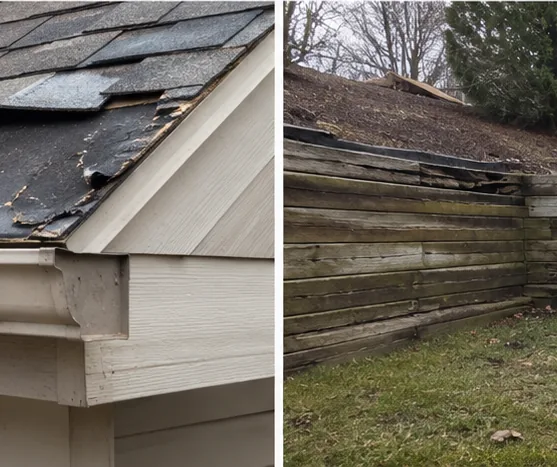
Damaged roof shingles and rotted wood siding panels
Signs & Risks

The warning signs of a roof leak.

Some show inside the home, others up in the attic.

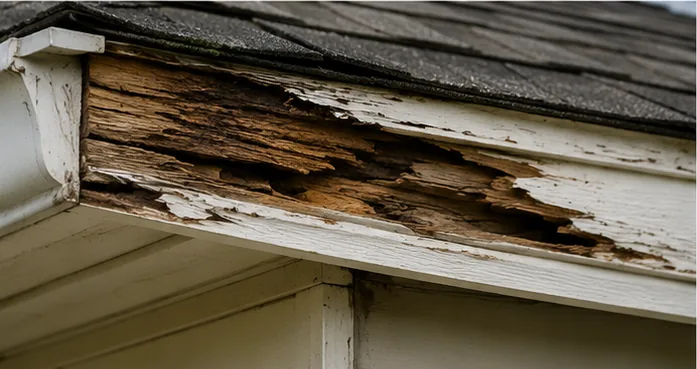
Rotted and peeling roof fascia board damaged by moisture
Sign

Ceiling stains & rings

Brown or yellow rings, bubbling paint, and soft spots on ceilings and upper walls are the most familiar leak signs.
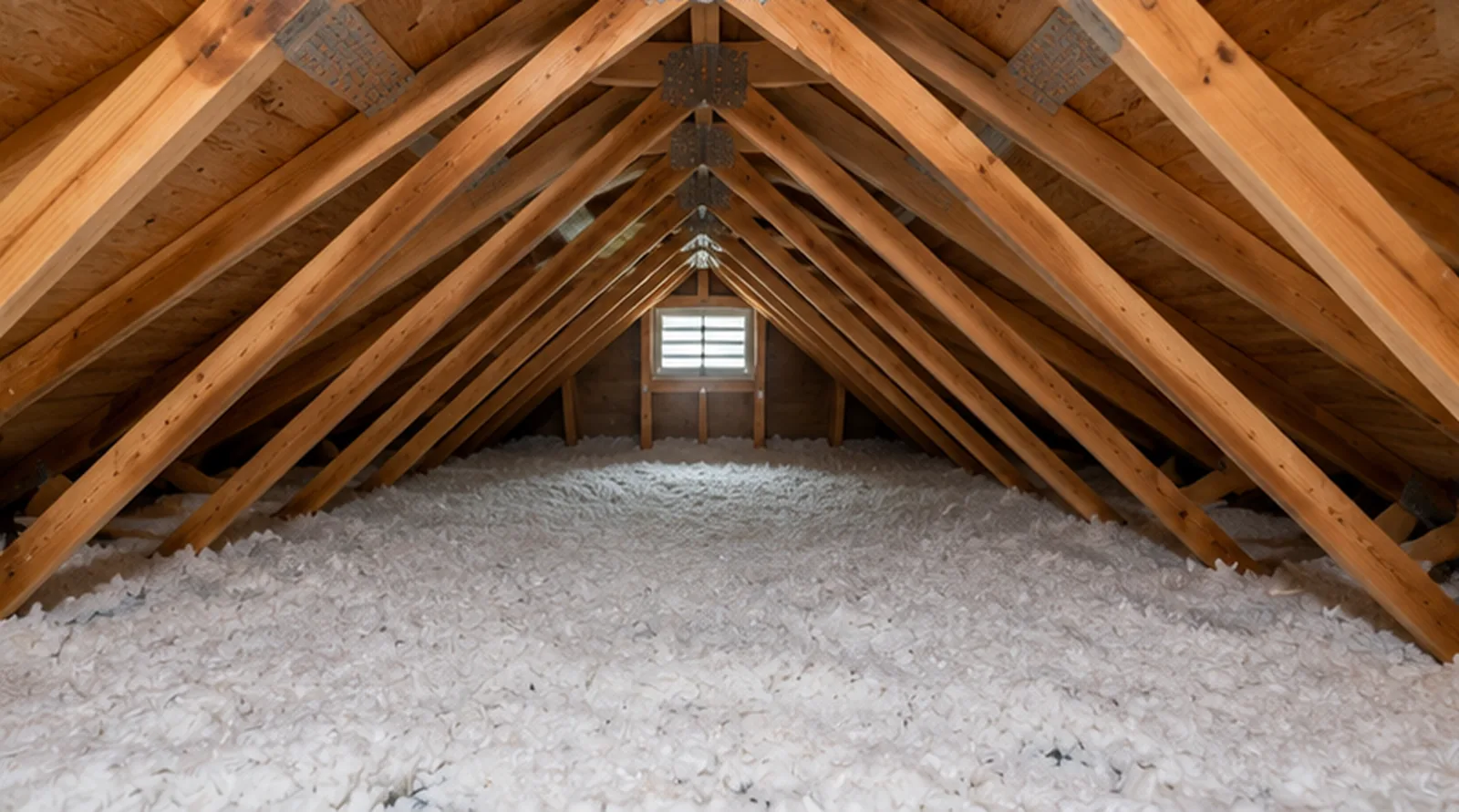
Stained sheathing and damp insulation in a Hutchinson attic
Sign

Attic moisture trails

Dark water trails on the sheathing, rusty nails, and damp, matted insulation reveal the leak's real path.
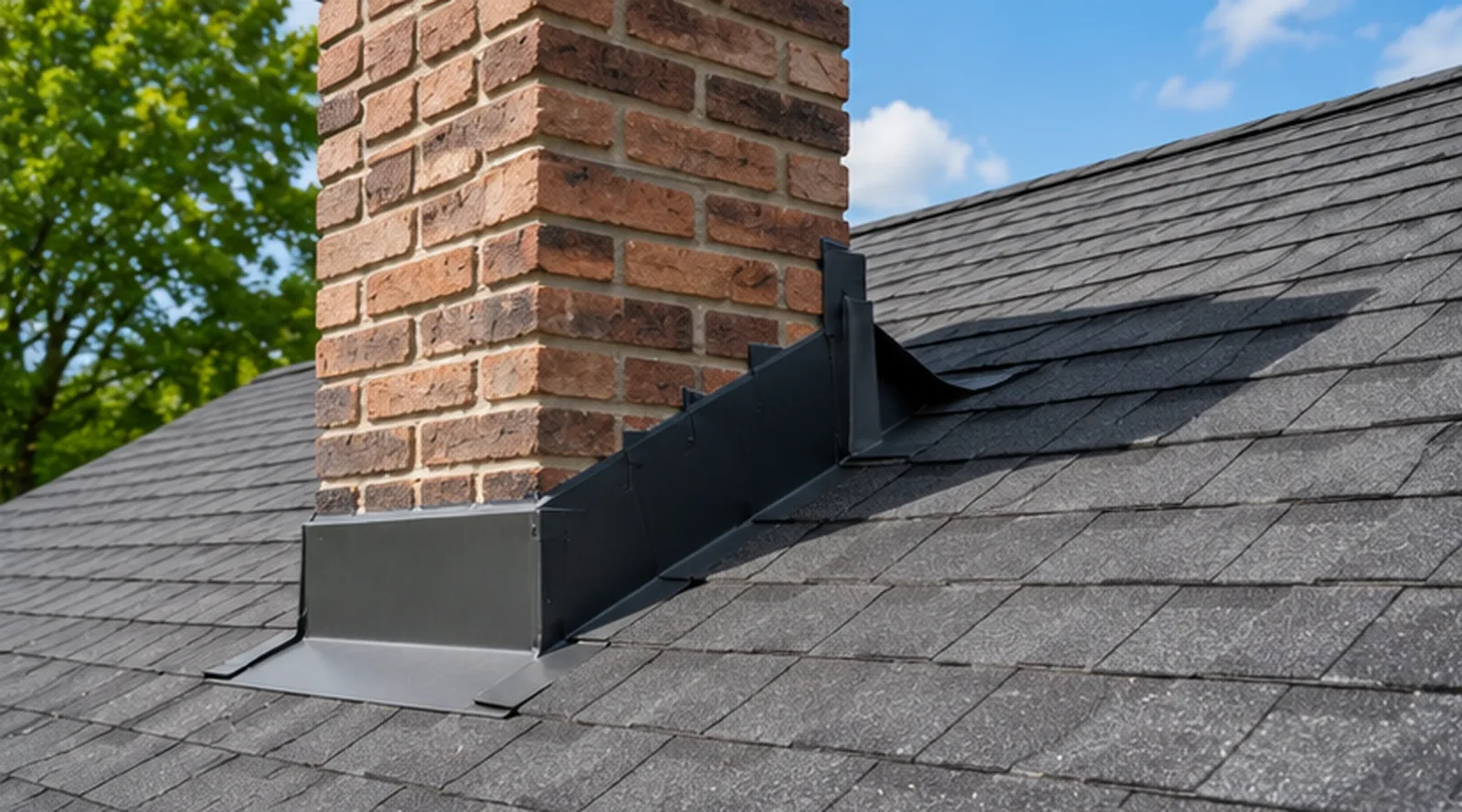
Cracked pipe boot and flashing as a roof leak source in Hutchinson
Source

Boots, flashing & valleys

Cracked pipe boots, failed flashing, and worn valleys are the most common entry points we trace leaks back to.

Common Leak Sources We Find

Where Hutchinson roofs let water in.

Cracked pipe boots

Sun-degraded rubber around plumbing vents — the single most common slow leak we find.

Failed flashing

Lifted or rusted chimney and sidewall flashing that lets water slip behind it.

Ice-dam backup

Water pushed under the shingles at the eaves during ice-dam conditions.

Worn shingles

Cracked, curled, or wind-lifted shingles exposing the deck on weather-beaten slopes.

Skylight seals

Aging skylight gaskets and flashing that drip during driving rain and snowmelt.

Clogged valleys

Debris-packed valleys that dam water and force it sideways under the shingles.

How We Inspect For It

Tracing the water to its source.

01

Map interior stains

We document ceiling and wall staining and probe for soft, active spots versus old, dry marks.

02

Trace it in the attic

We follow water trails on the sheathing uphill to the true entry point above.

03

Inspect the roof spot

We check the matching boot, flashing, valley, or shingle to confirm the source.

04

Report & explain

The full path is photographed and prioritized in your 24-hour report for the roofer.

FAQ

Roof leak questions, answered.

What are the earliest signs of a roof leak?
The earliest signs usually appear inside: faint brown or yellow rings on a ceiling, bubbling or peeling paint, a musty smell in a closet or upstairs room, and dark staining on attic sheathing or rafters. Outside, you might see lifted shingles, a cracked pipe boot, or rust at flashing. Many leaks are seasonal and only show during heavy rain or snowmelt.
Where do most roof leaks actually come from?
In Hutchinson, the most common sources are cracked plumbing-vent pipe boots, failed chimney and sidewall flashing, ice-dam backup at the eaves, and worn or wind-damaged shingles. Skylights and valleys are other frequent culprits. The stain on the ceiling is rarely directly below the actual leak, because water travels along framing first.
A ceiling stain is dry — is the leak fixed?
Not necessarily. A dry stain can mean an old leak that was repaired, or an active leak that only appears in certain weather. We probe for soft drywall, check the attic above the stain for fresh moisture, and look at the roof to determine whether the leak is past or present.
How do you find the source of a roof leak?
We work from the inside out. In the attic we trace water trails on the sheathing and framing back uphill to the entry point, then inspect the matching spot on the roof — a pipe boot, flashing, valley, or damaged shingle. We photograph the path so a roofer knows exactly where to repair.
Can a small roof leak really cause big damage?
Yes. A slow leak can rot sheathing and framing, ruin insulation, feed attic mold, and stain finishes long before anyone notices a drip. In a cold climate the trapped moisture freezes and thaws, accelerating the damage. Catching a leak early is far cheaper than repairing the structure later.

Related defects & how we inspect

Leaks tie into chimney flashing leaks, ice dams, asphalt shingle damage, and attic mold on sheathing. See how we trace water in our roof inspection and attic inspection, or browse the full defect library and complete home inspection. We serve Hutchinson and McLeod County.

Catch the leak while it's still a small one.

Get Your Free Instant Quote
📞 Call Free Instant Quote