✓ InterNACHI® Master Certified ✓ 120-Point Inspection ✓ Reports in 24 Hours
📞 (320) 674-7553
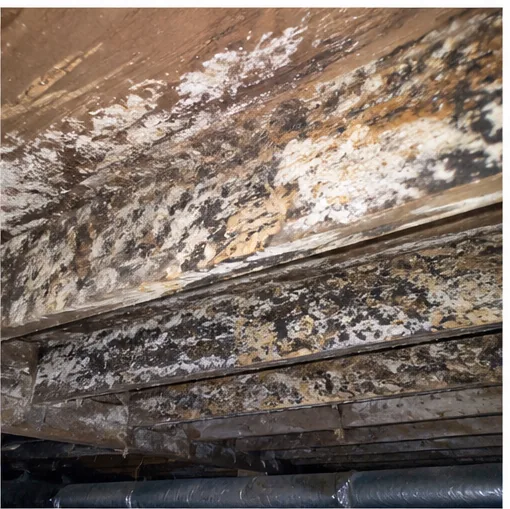
Heavy black mold growth on attic roof sheathing and framing
⬥ Defect Library · Roof & Attic

Attic mold on sheathing is a moisture story.

That dark staining across the underside of the roof isn't a roof problem — it's a sign that moist air is condensing on cold wood. Here's why it happens in Hutchinson, what it threatens, and how we find the source.

★★★★★ 5-star rated✓ Same-day online scheduling✓ Walk-through included
Free 2-Minute Quote

Dark stains in the attic? Find the cause.

Our 120-point inspection ties attic moisture, ventilation, and insulation together so the mold gets fixed at the source. Get a free quote and book online.

What It Is & Why It Happens

Warm, moist air meets cold wood.

Mold on attic sheathing is the visible result of condensation. Showers, cooking, and even the foundation send moisture-laden air drifting up into the attic. In a Hutchinson winter the roof sheathing is bitterly cold, so that moist air condenses on the wood — and if a stagnant attic can't carry the moisture away, the wood stays damp long enough for mold to colonize it.

The staining concentrates on the shaded, north-facing slope and near the eaves. The drivers are almost always poor roof ventilation, exhaust fans dumping into the attic, air leaks from below, and inadequate insulation. We evaluate it during the attic inspection in the full 120-point inspection, and offer dedicated mold testing when you want lab confirmation.

Get Your Free Quote
Heavy black mold growth on attic roof sheathing and framing
Signs & Risks

What attic mold looks like.

The stain is the symptom; the moisture is the cause.

Heavy black mold growth on attic roof sheathing and framing
Sign

Dark sheathing stains

Gray, black, or speckled white staining across the plywood and rafters, usually heaviest on the cooler slope.
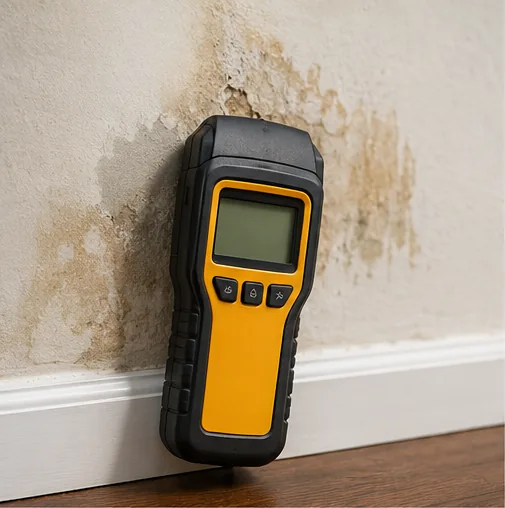
Handheld moisture meter testing a mold-stained interior wall
Cause

Condensation & frost

Frost in winter and water droplets in a thaw show that moist air is collecting on the cold wood.
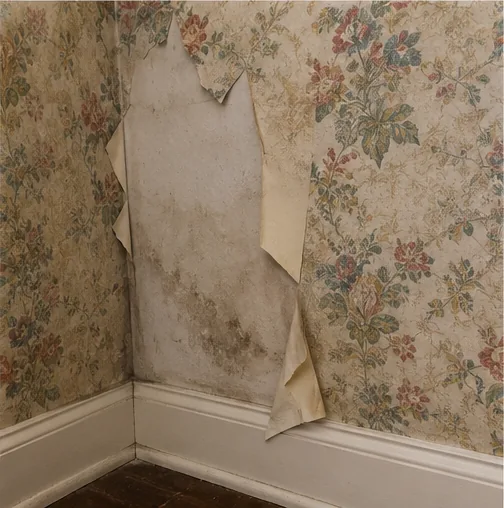
Water-stained interior wall with peeling vintage wallpaper
Risk

Wood & air-quality decay

Chronic dampness weakens the sheathing and can let mold migrate toward the living space below.

Common Causes We Find

Where the attic moisture comes from.

Fans into the attic

Bath and kitchen exhaust fans dumping warm, moist air into the attic instead of outdoors.

Poor ventilation

Blocked soffit and ridge vents that trap moisture; see ventilation problems.

Air leaks below

Gaps around the attic hatch, light fixtures, and plumbing chases that let house air rise.

Thin insulation

Inadequate insulation that lets warm, humid air reach the cold deck.

Missing baffles

No baffles at the eaves, so intake air can't sweep the underside of the deck.

Roof leaks

An actual roof leak wetting the sheathing directly and feeding growth.

How We Inspect For It

Finding the moisture behind the mold.

01

Examine the wood

We document staining on the sheathing and rafters and note where it's worst — eaves, shaded slope, near fans.

02

Check the fans

We verify exhaust fans actually vent outdoors, not into the attic — a frequent hidden cause.

03

Test the airflow

We confirm the soffit-to-ridge path is open and look for air leaks letting house moisture up.

04

Report & explain

The extent and likely source are photographed and prioritized in your 24-hour report.

FAQ

Attic mold questions, answered.

Why does mold grow on attic sheathing?
Mold grows when warm, moist air from the home rises into a cold, poorly ventilated attic and condenses on the underside of the roof sheathing. The wood stays damp long enough for mold to take hold, usually showing as black or gray staining on the north-facing slope. The real cause is moisture plus stagnant air, not the wood itself.
What does attic mold look like?
It usually appears as dark gray, black, or sometimes white speckled staining across the plywood or OSB sheathing and on the rafters, often heaviest near the eaves and on the cooler, shaded slope. You may also notice a musty smell and damp, matted insulation below the affected area.
Where does the moisture come from?
Common sources in Hutchinson homes are bathroom and kitchen exhaust fans venting into the attic instead of outside, air leaks around attic hatches and light fixtures, missing vapor control, and blocked soffit and ridge vents that trap the moisture. We trace which of these is feeding the problem.
Is attic mold dangerous, and how is it fixed?
Attic mold is mainly a moisture and durability problem, but it can affect indoor air if it migrates into the living space. The lasting fix targets the cause: redirect exhaust fans outdoors, air-seal the attic floor, improve soffit-to-ridge ventilation, and then remediate the affected wood. Treating the stain alone without fixing the moisture just lets it return.
How do you inspect for attic mold?
We enter the attic and examine the sheathing and rafters for staining, check for condensation and frost, verify whether exhaust fans vent outdoors, and confirm the soffit-to-ridge airflow path is open. We document the extent and likely moisture source with photos in your 24-hour report; lab confirmation of mold type is a separate test.

Related defects & how we inspect

Attic mold ties to roof ventilation problems, inadequate attic insulation, missing attic baffles, and roof leak signs. See how we check the attic in our attic inspection and roof inspection, add mold testing, or browse the full defect library and complete home inspection. We serve Hutchinson and McLeod County.

Fix the moisture, and the mold stays gone.

Get Your Free Instant Quote
📞 Call Free Instant Quote