✓ InterNACHI® Master Certified ✓ 120-Point Inspection ✓ Reports in 24 Hours
📞 (320) 674-7553
Attic insulation depth being inspected between trusses in a Hutchinson, MN home
⬥ Defect Library · Roof & Attic

Inadequate attic insulation costs you all winter.

Thin or uneven attic insulation is one of the quietest, most expensive defects in a Minnesota home — it drives up heating bills, freezes top-floor rooms, and feeds ice dams. Here's how to spot it and how we measure it.

★★★★★ 5-star rated✓ Same-day online scheduling✓ Walk-through included
Free 2-Minute Quote

Know what's above the ceiling.

We measure insulation depth and check coverage on every 120-point inspection, then tie it to ice dams and comfort. Get a free quote and book online.

What It Is & Why It Happens

The blanket that keeps heat where it belongs.

Attic insulation is the thermal blanket between your heated living space and the cold roof. When it's deep and even, household heat stays inside and the roof deck stays cold. When it's thin, compressed, or patchy, heat pours up through the ceiling — wasting energy, leaving upstairs rooms cold, and warming the roof deck enough to melt snow into ice dams.

Many Hutchinson homes were built or last insulated when standards were lower, so they sit far below today's recommended R-49 to R-60. Insulation also settles, gets disturbed by storage or wiring work, and gets shoved into the eaves where it blocks airflow. We measure it as part of the attic inspection in the full 120-point inspection.

Get Your Free Quote
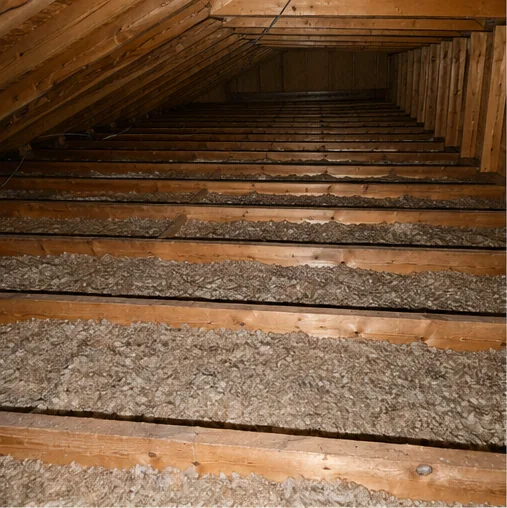
Attic floor joists with blown-in cellulose insulation
Signs & Risks

How thin insulation shows up.

You feel it on your bills and your top floor long before you see it.

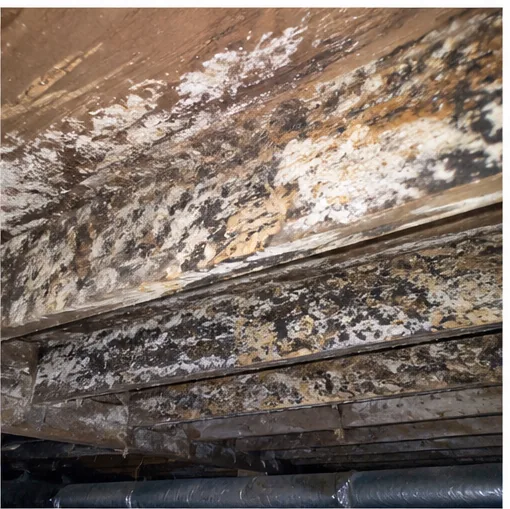
Heavy black mold growth on attic roof sheathing and framing
Risk

Ice dams

Heat escaping through thin insulation melts roof snow that refreezes at the eaves — the engine behind ice dams.
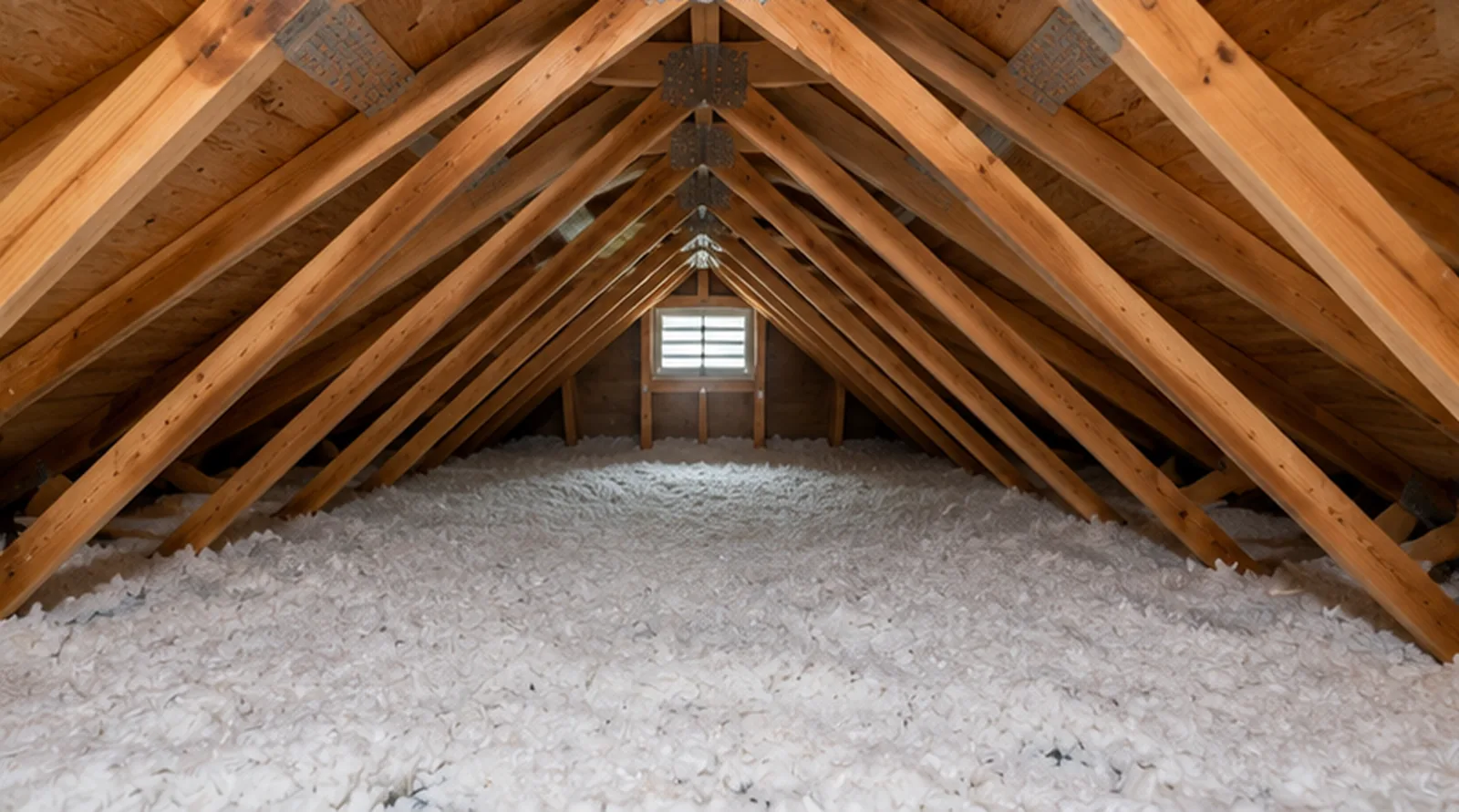
Thin, uneven attic insulation documented in a Hutchinson home
Sign

Thin, uneven coverage

Shallow, compressed, or patchy insulation with framing showing through — well below Minnesota's recommended depth.
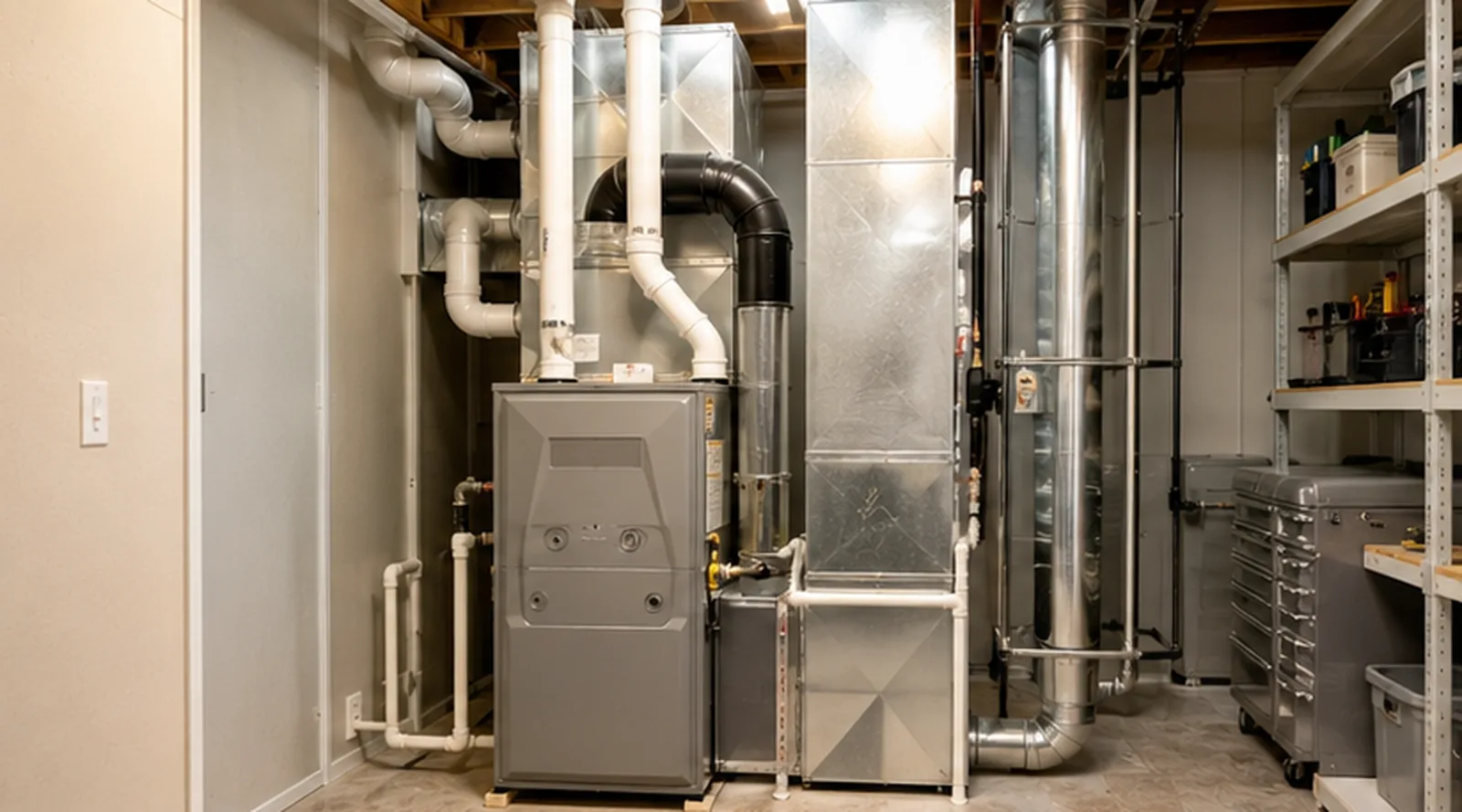
HVAC system working harder due to attic heat loss in a Hutchinson home
Risk

High bills & cold rooms

The furnace runs longer to replace lost heat, and top-floor rooms stay cold and drafty all winter.

Common Causes We Find

Why the insulation falls short.

Old standards

Homes insulated decades ago to a fraction of today's recommended R-value for Minnesota.

Settling

Blown-in insulation that has compressed and lost depth and R-value over the years.

Disturbed coverage

Insulation pushed aside for storage, wiring, or HVAC work and never put back.

Blocked eaves

Insulation stuffed into the soffits with no baffles, choking ventilation.

Air leaks

Unsealed gaps that let heated air bypass the insulation entirely and feed condensation.

Missing edges

Thin coverage at the perimeter where the ceiling meets the exterior walls — a cold-room culprit.

How We Inspect For It

Measuring what's really up there.

01

Measure the depth

We check insulation depth in several locations and compare it to recommended levels for the climate.

02

Note type & condition

We record the material, look for compression, gaps, and missing coverage at the edges.

03

Check airflow & safety

We confirm it isn't blocking soffit vents or covering recessed lights and bath fans unsafely.

04

Report & explain

Findings are photographed and prioritized in your 24-hour report with the upgrade path explained.

FAQ

Attic insulation questions, answered.

How much attic insulation should a Minnesota home have?
Minnesota's cold climate calls for deep attic insulation — roughly R-49 to R-60, which is well over a foot of blown-in material depending on the type. Many older Hutchinson homes have far less, sometimes just a few inches, which is no longer enough to keep heat in or the roof deck cold. We measure the depth and note where it falls short.
What are the signs of inadequate attic insulation?
Telltale signs include recurring ice dams, high winter heating bills, cold rooms or cold ceilings on the top floor, snow that melts off the roof faster than neighbors', and uneven or thin, compressed insulation when you look in the attic. You may also feel drafts where insulation has shifted away from the edges.
Does adding insulation stop ice dams?
Insulation is half the answer. Combined with air-sealing the attic floor, deeper insulation keeps household heat from reaching the roof deck, which is what stops the snow from melting and refreezing into ice dams. The other half is ventilation, so the most reliable fix addresses insulation, air leaks, and airflow together.
Is more insulation always better?
Up to the recommended depth, yes — but it has to be installed correctly. Insulation crammed into the eaves without baffles blocks ventilation and can cause moisture problems, and insulation covering recessed lights or bath fans can be unsafe. We check that the depth, coverage, and airflow path all work together.
How do you inspect attic insulation?
We measure insulation depth in several spots, note the type and condition, look for gaps, compression, and missing coverage at the edges, and confirm it isn't blocking the soffit vents. We also check for air leaks from the living space below. It's all documented with photos in your 24-hour report.

Related defects & how we inspect

Insulation works hand in hand with ice dams, roof ventilation problems, missing attic baffles, and attic mold on sheathing. See how we check the attic in our attic inspection and roof inspection, or browse the full defect library and complete home inspection. We serve Hutchinson and McLeod County.

Stop heating the attic instead of the house.

Get Your Free Instant Quote
📞 Call Free Instant Quote