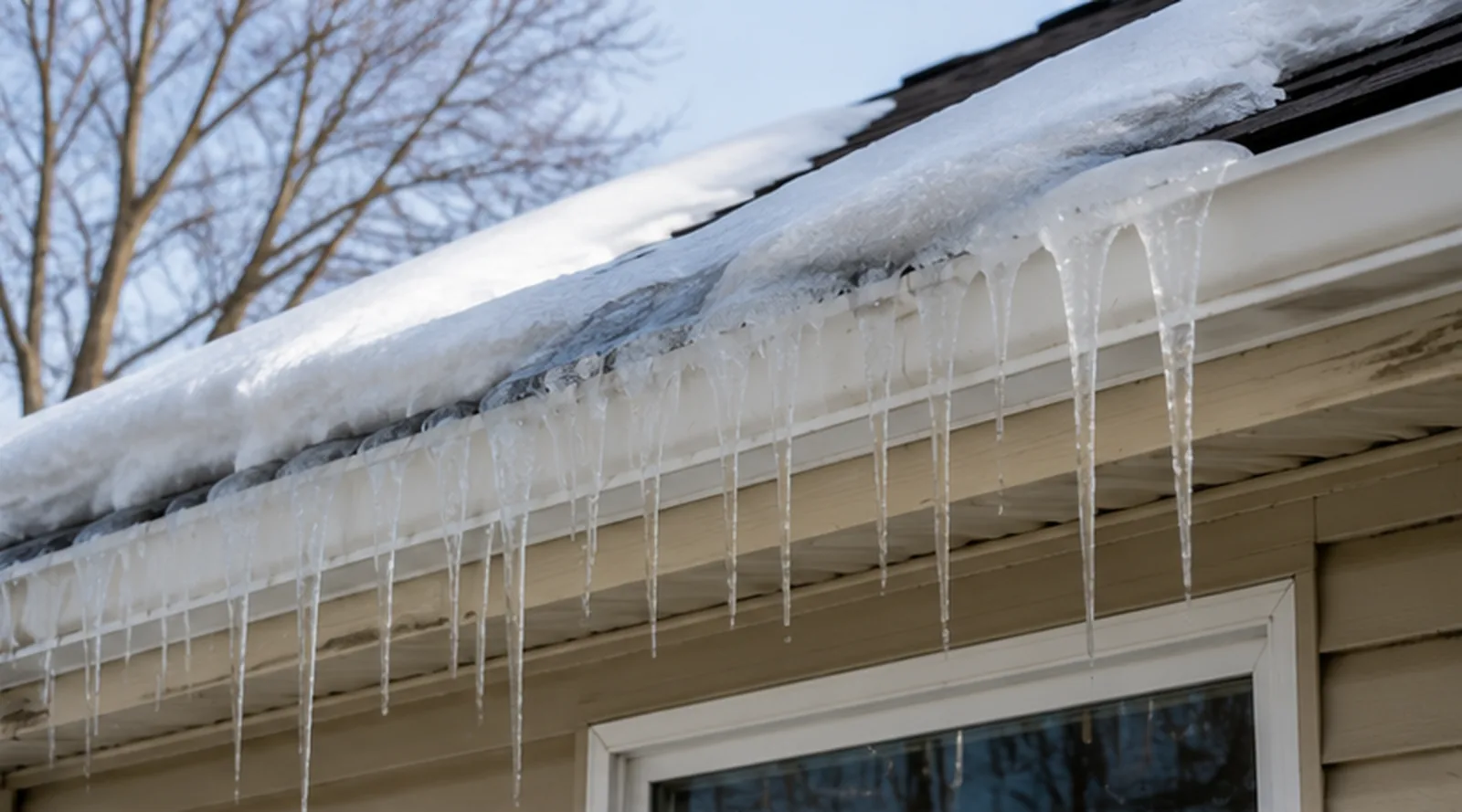
Ice Dams
Heat loss & refreeze
Air leaks and thin insulation warm the roof deck, melt snow, and refreeze at cold eaves. We trace the source so it can actually be fixed.
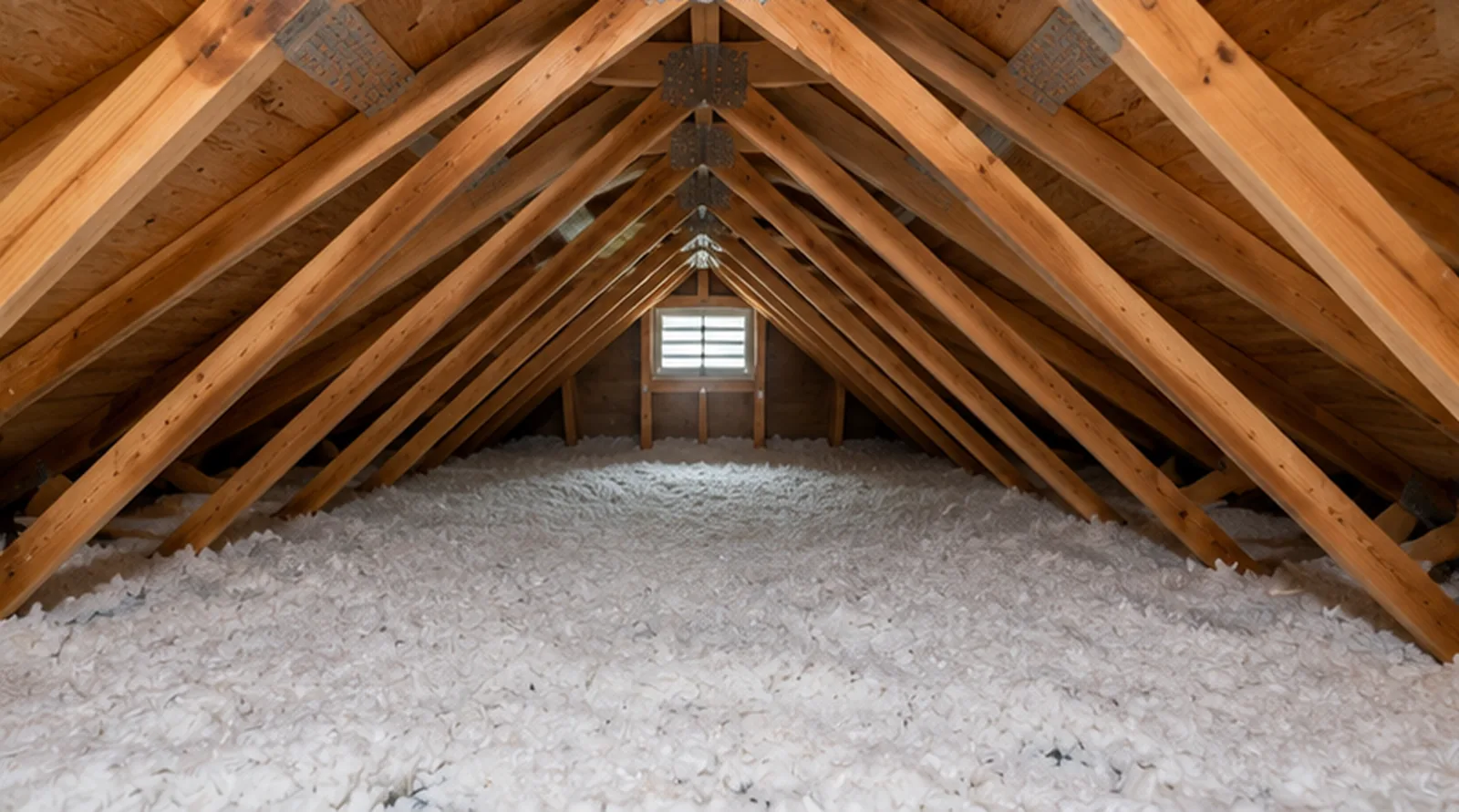
Insulation, ventilation, framing, and the quiet moisture clues overhead — we read the attic carefully because it predicts ice dams, leaks, and winter heat loss before they ever reach your ceilings.
Answer a few quick questions about the home, get your free quote now, and pick a time. The attic is part of every full inspection we do.
The attic packs more diagnostic value per square foot than almost any space in the house. We document insulation type and depth, soffit-to-ridge airflow, the underside of the roof decking, framing and truss condition, vapor barriers, electrical junctions, chimney clearances, and the way bath and kitchen exhaust fans terminate.
It is part of the pillar 120-point home inspection, and it connects directly to insulation & ventilation and moisture inspection — the three areas that decide how a Hutchinson home handles a hard winter.
Get Your Free Quote →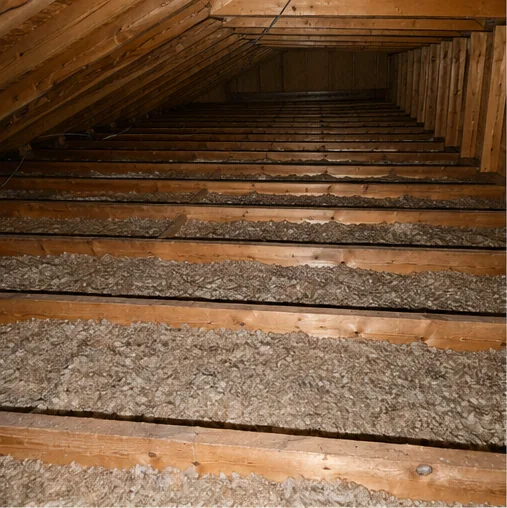
When warm household air leaks into a cold attic, it condenses on the decking, melts the underside of the snowpack, and refreezes at the eaves. That is the recipe for ice dams, stained ceilings, and rotted decking across McLeod County.
Air leaks and thin insulation warm the roof deck, melt snow, and refreeze at cold eaves. We trace the source so it can actually be fixed.
Insulation packed over the soffits chokes intake air, trapping moisture. We check for baffles and a balanced intake-to-exhaust path.
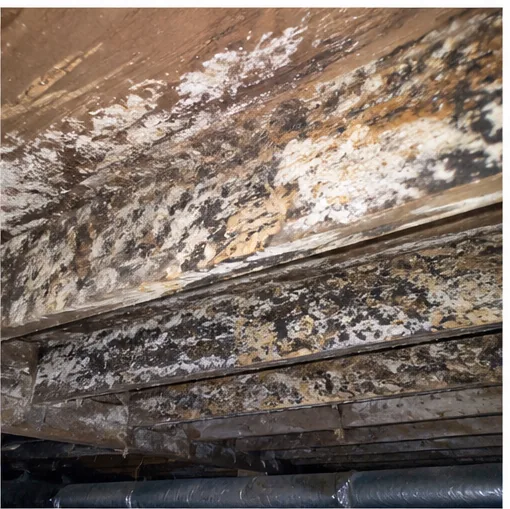
Frost on nails and dark staining on the decking reveal condensation long before the drywall below shows a spot.
Thin, settled, or patchy insulation that falls short of R-49 — the single biggest driver of high heating bills and ice dams.
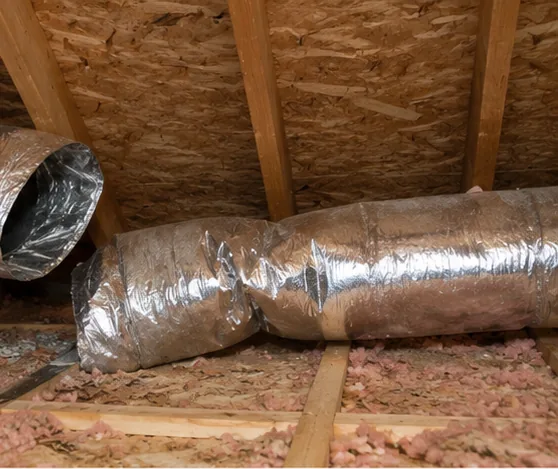
Exhaust ducts dumping warm, humid air straight into the attic instead of outdoors, soaking the insulation and decking.
Missing or crushed baffles that block fresh intake air and starve the ventilation path from soffit to ridge.
Dark water marks, mold sheen, or rusted nails that point to past or active leaks and chronic condensation.
Altered, cut, or sagging framing — sometimes from added storage or a past repair — that needs an engineer's eye.
Tunneled insulation, droppings, and gnawed wiring that signal entry points and possible safety concerns.
We open the hatch or pull-down, assess structural footing, and inspect from a safe vantage without disturbing insulation more than needed.
We measure depth, note type and gaps, and look for warm-air leaks at chimneys, can lights, and the attic hatch.
We confirm balanced soffit-to-ridge airflow and verify bath and kitchen fans vent fully outdoors.
We document decking, framing, staining, frost, and pest signs — every finding photographed for your report.
The attic ties into insulation & ventilation, moisture inspection, and exterior inspection, and it is part of the full 120-point home inspection. If we spot trouble overhead, see our notes on ice dams and attic mold. We serve Hutchinson and the surrounding McLeod County communities.