Foundation
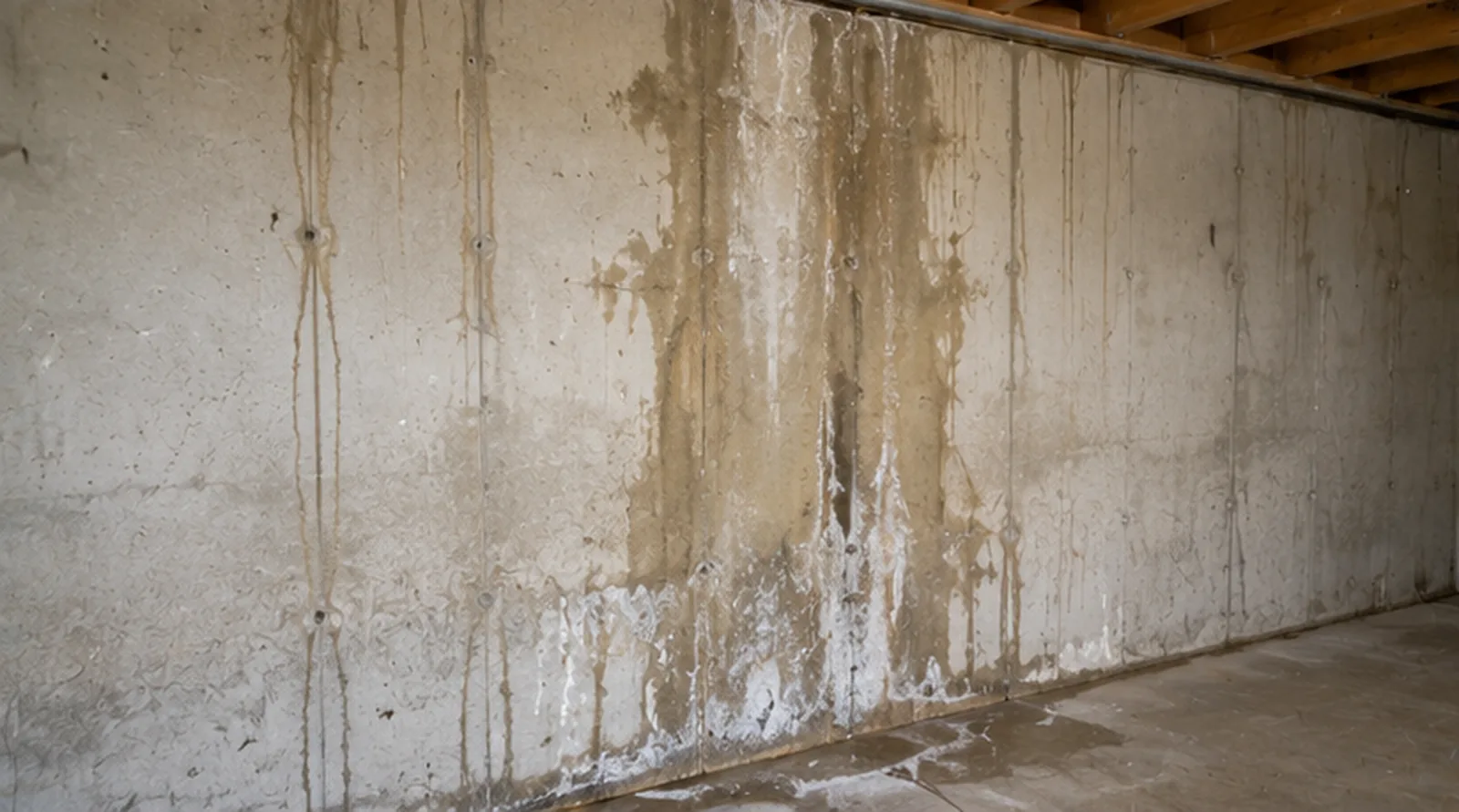
Seepage & efflorescence
White mineral crust and dark staining mark where water has pushed through the wall. We read each clue to judge if it's active or old.
Basement seepage, foundation staining, bad grading, and the damp you can't see — moisture is the root cause behind mold, rot, and structural trouble, so we trace exactly where it's coming from.
Answer a few quick questions about the home, get your free quote now, and pick a time. Moisture tracking is woven through every full inspection we perform.
A moisture inspection follows water through the whole property: foundation walls and floor slabs, basement and crawlspace seepage, efflorescence and staining, window wells, exterior grading and drainage, gutters and downspouts, and sump-pump operation. We back up the visual evidence with moisture-meter readings to confirm what's truly wet behind a dry-looking surface.
It is part of the pillar 120-point home inspection and feeds directly into crawlspace and exterior findings, plus our standalone mold testing when growth is suspected.
Get Your Free Quote →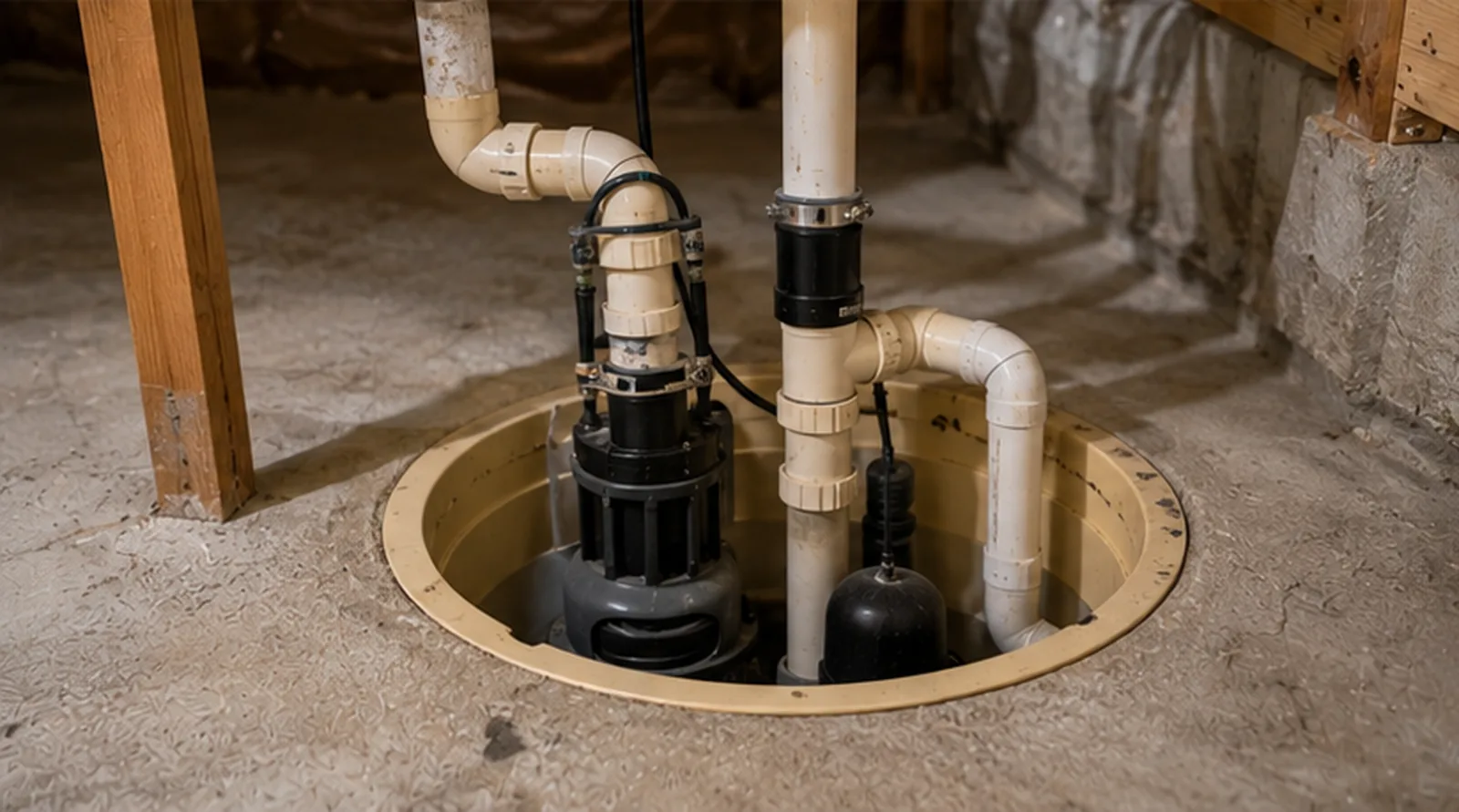
Each spring, melting snow and saturated clay soils push water against foundations near the Crow River, and every freeze-thaw cycle widens the cracks it can seep through. Catching that early is far cheaper than repairing the rot and mold it leaves behind.
White mineral crust and dark staining mark where water has pushed through the wall. We read each clue to judge if it's active or old.
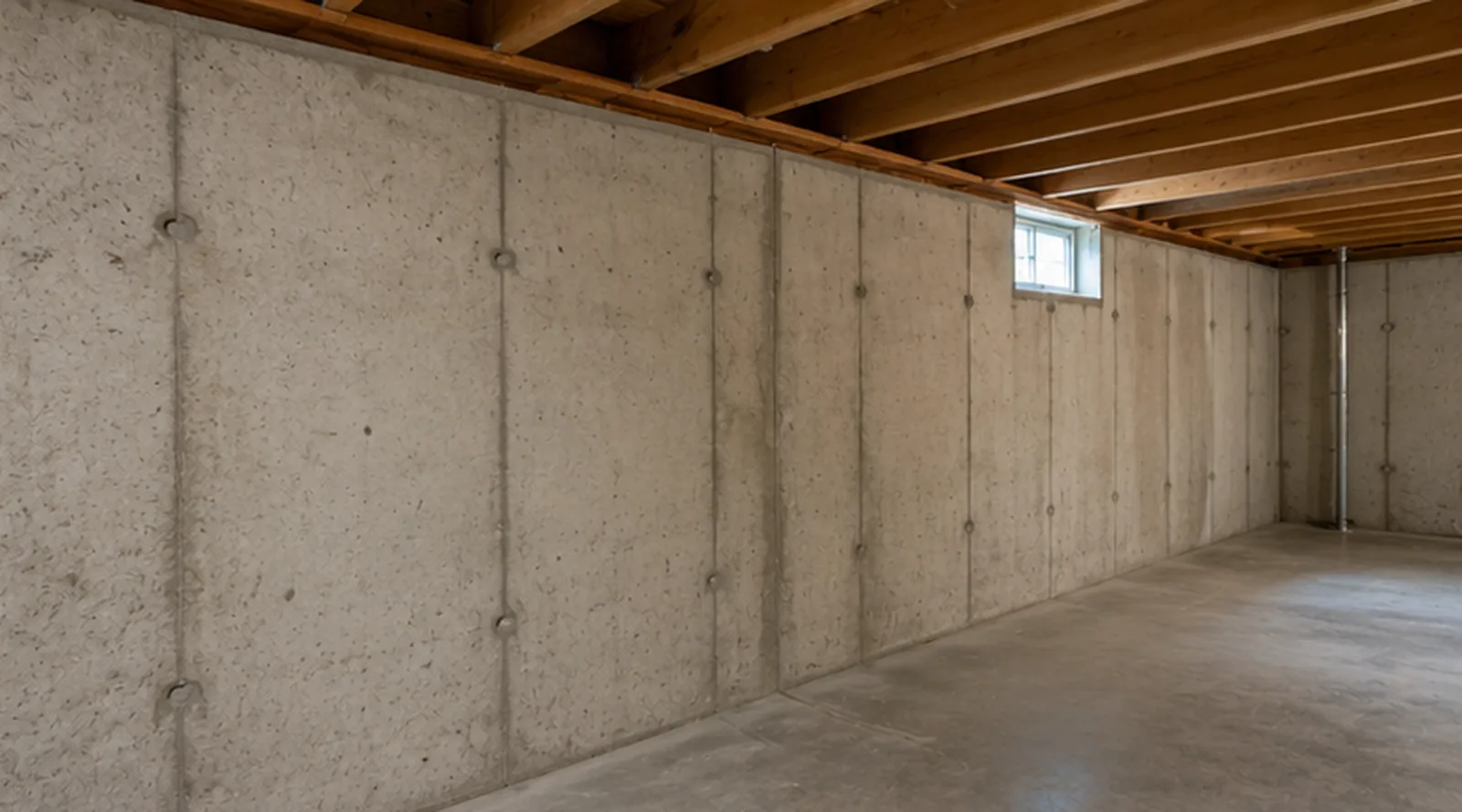
Annual frost movement opens new paths for water. We document cracks, their pattern, and any active dampness around them.
A failed sump or soil sloping toward the house guarantees a wet basement. We test the pump and check that the grade drains away.
Soil that slopes toward the foundation, funneling snowmelt and rain straight to the basement wall.
Gutters that dump water right at the foundation instead of carrying it several feet away from the house.
Fresh staining, beading water, and elevated meter readings that confirm water is entering right now.
A sump pump that won't cycle, has no backup, or is missing entirely in a basement that clearly needs one.
Finished walls that read wet on a meter even when they look dry — a classic sign of a covered-up leak.
Cold-surface sweating and high indoor humidity that quietly feed mold without any obvious leak at all.
We assess grading, gutters, downspouts, and window wells to see how water is directed around the home.
We inspect walls and slabs for staining, efflorescence, cracks, and active seepage in basements and crawlspaces.
We use moisture meters on suspect surfaces to confirm hidden dampness behind finished walls and floors.
We test the sump, note humidity and condensation, and deliver a prioritized, photo-rich report within 24 hours.
Moisture findings connect to crawlspace inspection, exterior inspection, and mold testing, and they're part of the full 120-point home inspection. For the problems water leaves behind, see basement water intrusion and foundation cracks. We serve Hutchinson and the surrounding McLeod County communities.