✓ InterNACHI® Master Certified ✓ 120-Point Inspection ✓ Reports in 24 Hours
📞 (320) 674-7553
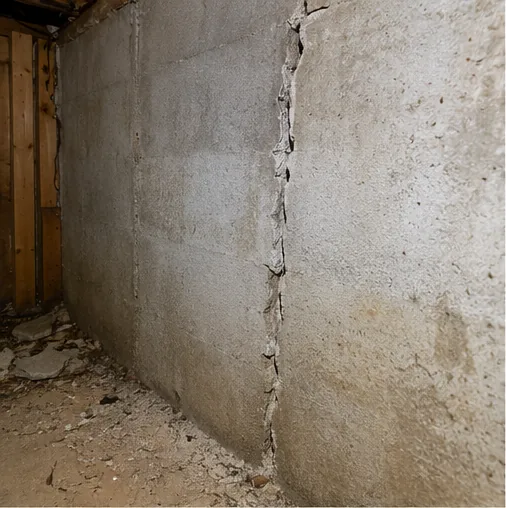
Stair-step cracking in a block foundation wall in a Hutchinson, MN basement
⬥ Hutchinson, MN · Foundation & Structural

Stair-step cracks: the foundation's diagonal warning.

Cracks that climb the mortar joints of a block or brick wall in a diagonal stair pattern are rarely cosmetic. They almost always trace back to settlement or soil pressure — and we read which.

★★★★★ 5-star rated✓ Same-day online scheduling✓ Walk-through included
What It Is

What stair-step cracks actually is.

A stair-step crack runs diagonally through a concrete-block or brick foundation by separating along the horizontal and vertical mortar joints, producing the distinctive zig-zag 'staircase' line. Because mortar is weaker than the block itself, movement in the wall finds the path of least resistance through these joints. The pattern tells us the wall is being pulled or pushed unevenly rather than cracking from a single point of pressure.

Why it matters. In Hutchinson and across McLeod County, stair-step cracking is one of the clearest signals that part of a foundation has moved relative to the rest. It separates the ordinary aging of a block wall from a structural concern — and on a home purchase it is exactly the kind of finding that changes how a buyer negotiates or whether they bring in a structural engineer before closing.

Get Your Free Quote
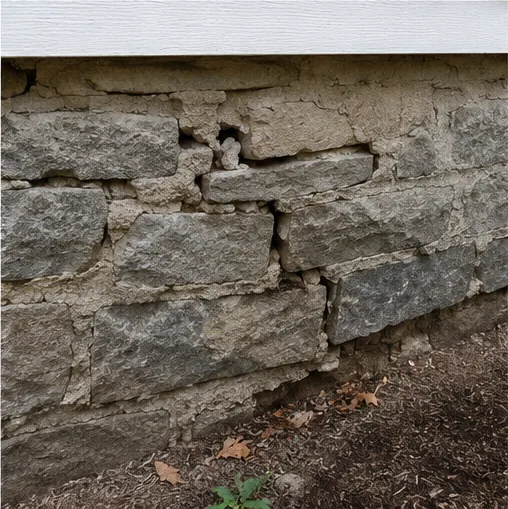
Cracked and shifting stone foundation wall exterior
Free 2-Minute Quote

Concerned about this? Get it inspected.

This finding is covered by our standard 120-point inspection. Get your free quote, choose a time, and add thermal imaging or mold testing to map what's hidden.

Signs & Symptoms

What it looks like.

The warning signs we document and that you can watch for.

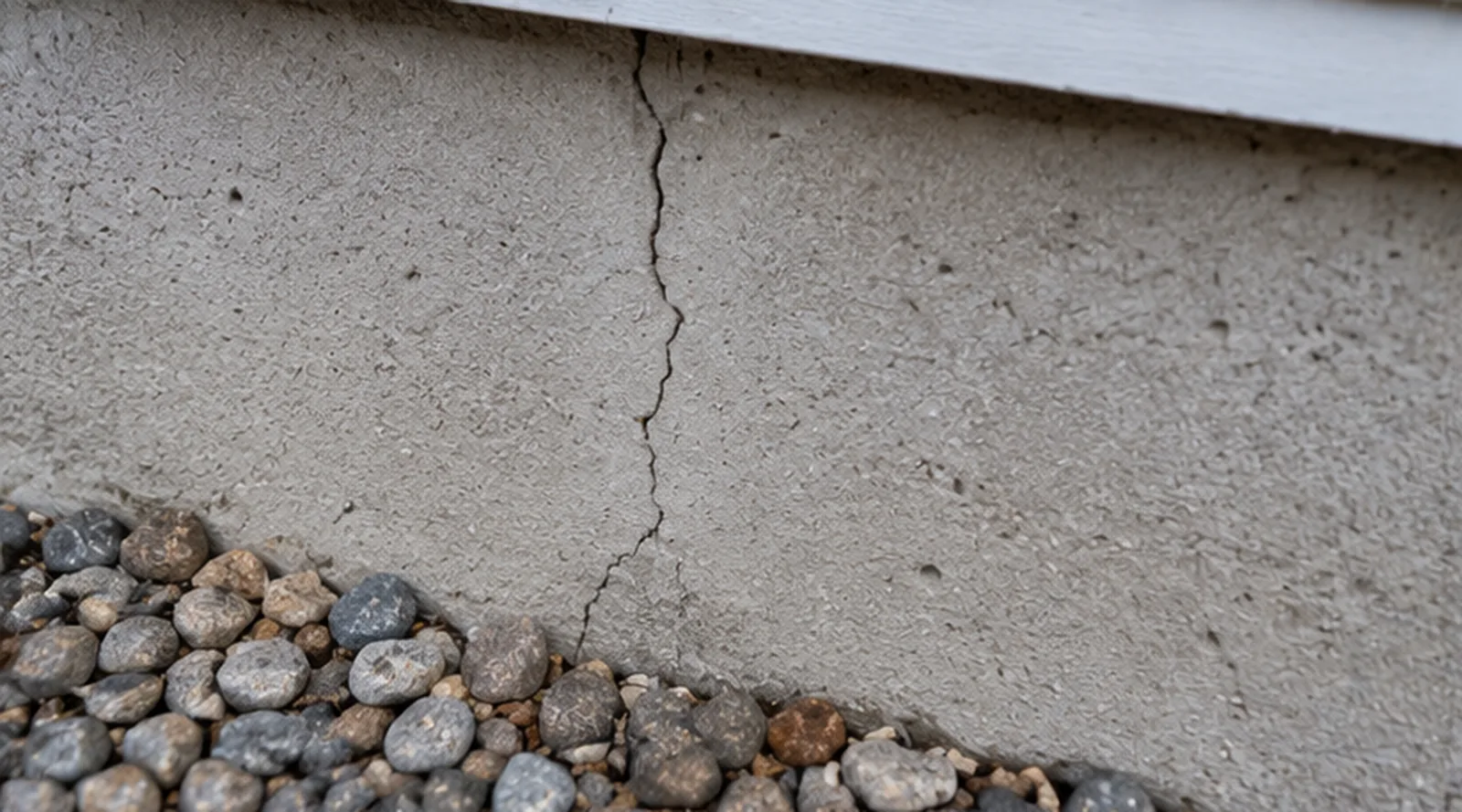
Bowing and horizontally cracked basement foundation wall
Signs

What to look for

Diagonal cracking that follows the mortar joints, often starting near a corner or window opening. Look for cracks wider at one end than the other, horizontal displacement where one side of the crack sits proud of the other, separation between the foundation and a brick veneer above, and sticking doors or windows on the floor above the affected wall.

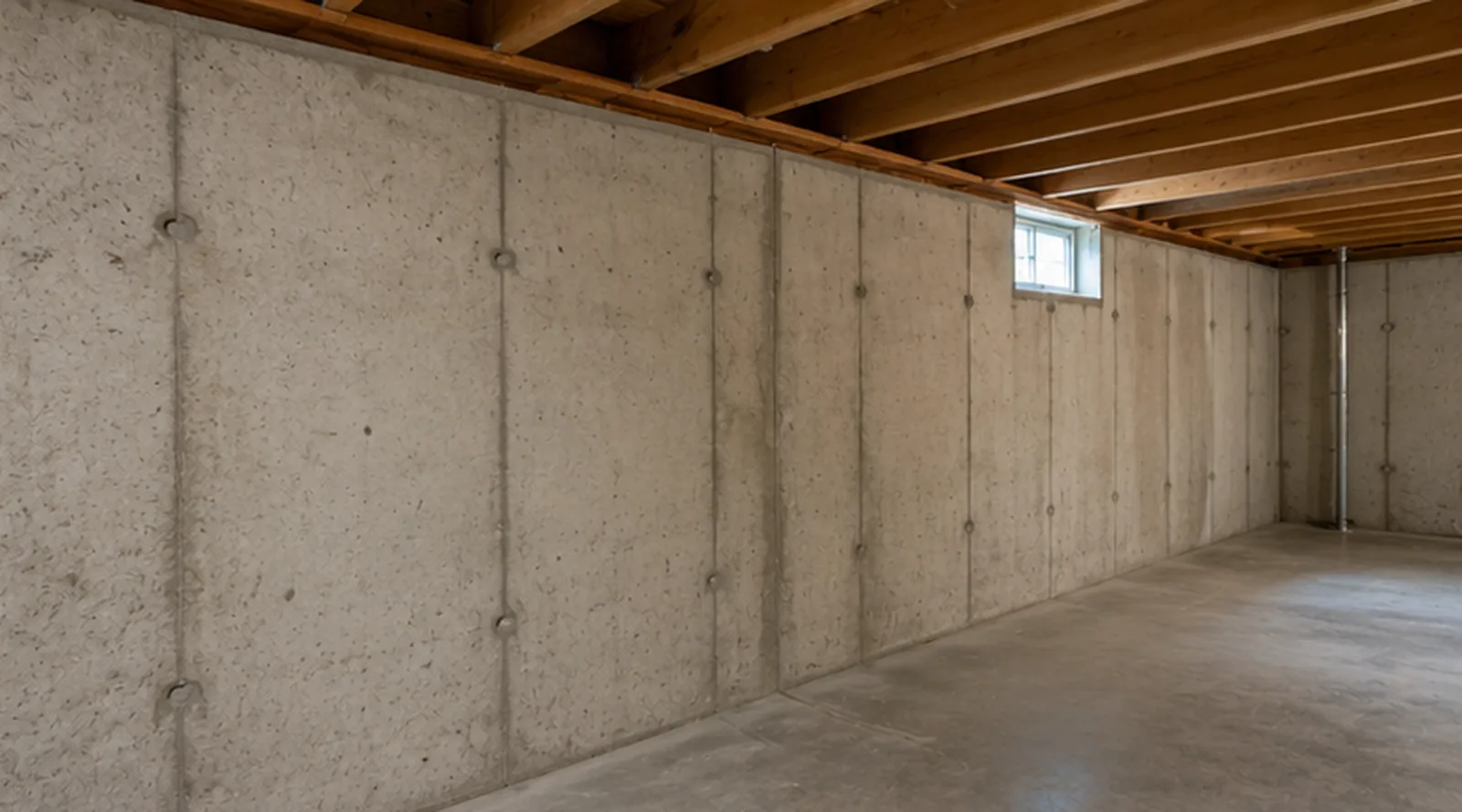
Block foundation wall inspected for stair-step cracking in Hutchinson, MN
Causes

Why it happens

The two big drivers are differential settlement — one section of footing sinking faster than another as the soil below consolidates — and lateral soil pressure from saturated, expanding clay soils pushing on the wall. In Minnesota, frost heave and the wet-dry cycling of spring snowmelt accelerate both. Undersized footings, poor original compaction, and a high water table all set the stage.

Stair-step cracking in a block foundation wall in a Hutchinson, MN basement
Risk

If it's ignored

Left unaddressed, a stair-step crack tied to active movement widens, lets water and radon in, and can progress to a leaning or displaced wall that becomes a major structural repair. Even when movement has stabilized, an open crack is a moisture and pest pathway. The biggest risk on a real-estate transaction is mistaking an active structural crack for a cosmetic one.

Repair Options

How it's addressed.

Repair depends on cause. Cosmetic stabilized cracks can be sealed and monitored. Cracks from ongoing settlement are typically addressed by stabilizing the footing — push or helical piers are common engineered solutions. Cracks from soil pressure may call for wall reinforcement (carbon-fiber straps or steel bracing) plus correcting the drainage feeding the soil. A structural engineer specifies the approach; we flag the finding and refer.

This is one of the findings covered by the full 120-point home inspection and documented under our foundation inspection. Related issues worth reading: Horizontal foundation cracks Foundation settlement Bowing basement walls Efflorescence.

Block foundation wall inspected for stair-step cracking in Hutchinson, MN
Common Variations

What turns up around Hutchinson.

Differential settlement

Stair-step cracks that widen toward one end where the footing has sunk unevenly.

Soil pressure

Cracks paired with inward lean, from clay soils swelling against the wall.

Crack offset

One face of the crack pushed out past the other — a sign of active movement.

Veneer separation

Exterior brick pulling away from the structure above a cracked wall.

Corner cracking

Diagonal cracks radiating from foundation corners and openings.

Sticking doors

Doors and windows binding above the cracked section of wall.

How We Inspect It

Four steps to a clear answer.

01

Map the pattern

We trace the full path of the crack and note where it starts, widens, and ends.

02

Measure offset

We check for horizontal displacement and width that indicate active movement.

03

Check the load path

We look at openings, beams, and the floor above for related distress.

04

Document & refer

Findings are photographed, prioritized in your 24-hour report, and referred to an engineer if structural.

Minnesota Notes

Why this matters here.

McLeod County's glacial clay soils swell when they take on spring melt and shrink when they dry, and that seasonal movement is a leading cause of the stair-step cracks we document in older Hutchinson block foundations. Homes built before modern drainage details, and those with grading that traps snowmelt against the wall, show this pattern most often.

Book Your Inspection
Stair-step cracking in a block foundation wall in a Hutchinson, MN basement
FAQ

Stair-Step Cracks questions, answered.

Are stair-step cracks always serious?
Not always, but they deserve attention. A thin, stabilized hairline stair-step crack with no offset is often cosmetic. Cracks that are wide, offset, or paired with a leaning wall or sticking doors point to active movement and warrant a structural engineer's review.
What causes stair-step cracks in a Hutchinson basement?
Most come from differential settlement of the footing or lateral pressure from McLeod County's clay soils swelling with spring snowmelt. Frost heave and poor drainage make both worse.
Can a stair-step crack be repaired?
Yes. The right fix depends on the cause — sealing and monitoring for stable cracks, footing stabilization (piers) for settlement, or wall reinforcement for soil pressure. An engineer specifies the method.
Do you tell the difference between cosmetic and structural cracks?
Yes. We measure crack width and offset, check for displacement, and inspect the load path and floor above to judge whether the crack reflects active movement, and we say so plainly in your report.
Should I still buy a house with stair-step cracks?
Many homes with stair-step cracks are perfectly buyable — the key is knowing whether the movement is active. We document the finding so you can get an engineer's opinion and a repair estimate before you commit.
Related defects & inspections

Explore related findings in the Defect Library: Horizontal foundation cracks Foundation settlement Bowing basement walls Efflorescence. See how we document it in the foundation inspection and the full 120-point home inspection, and add mold testing or thermal imaging when hidden moisture is suspected. We serve Hutchinson and McLeod County.

Get a straight answer about your home.

Get Your Free Instant Quote
📞 Call Free Instant Quote