✓ InterNACHI® Master Certified ✓ 120-Point Inspection ✓ Reports in 24 Hours
📞 (320) 674-7553
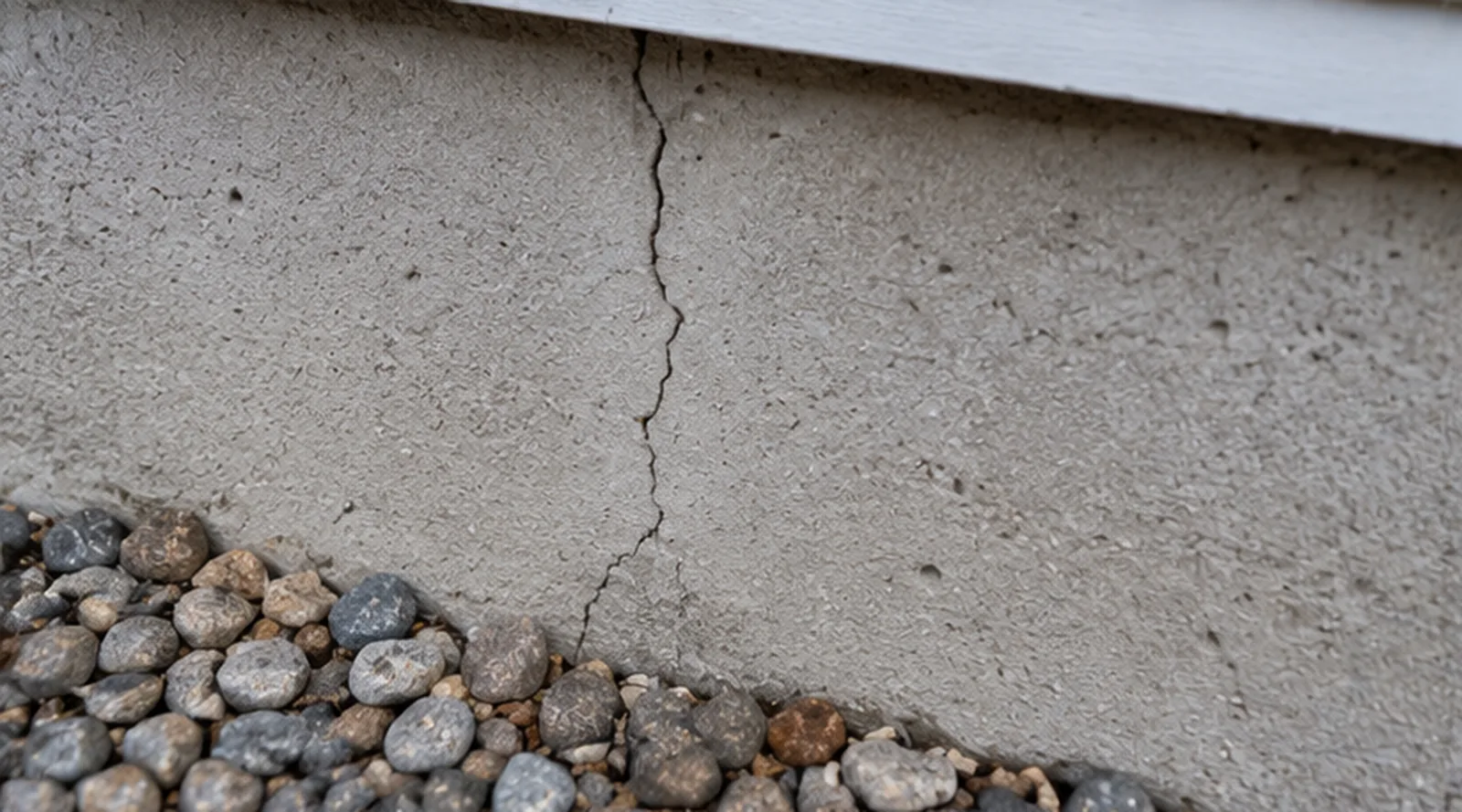
Settlement cracking above a basement opening in a Hutchinson, MN home
⬥ Hutchinson, MN · Foundation & Structural

Foundation settlement: when the ground gives way.

Some settling is normal in any home. The question we answer is whether yours has stopped — or whether one corner of the house is still sinking.

★★★★★ 5-star rated✓ Same-day online scheduling✓ Walk-through included
What It Is

What foundation settlement actually is.

Settlement is the downward movement of a foundation as the soil beneath the footings compresses or washes away. Uniform settlement — the whole house dropping evenly — is usually harmless and stops within a few years of construction. Differential settlement, where one part of the foundation sinks faster than another, is the problem: it twists the structure and shows up as cracks, slopes, and sticking openings.

Why it matters. Distinguishing finished, harmless settling from active differential movement is one of the most valuable judgments in an inspection. In Hutchinson's variable soils, an addition or a corner of a house can settle on its own and crack the structure. For a buyer, knowing whether the movement is over or ongoing decides whether to negotiate, monitor, or walk.

Get Your Free Quote
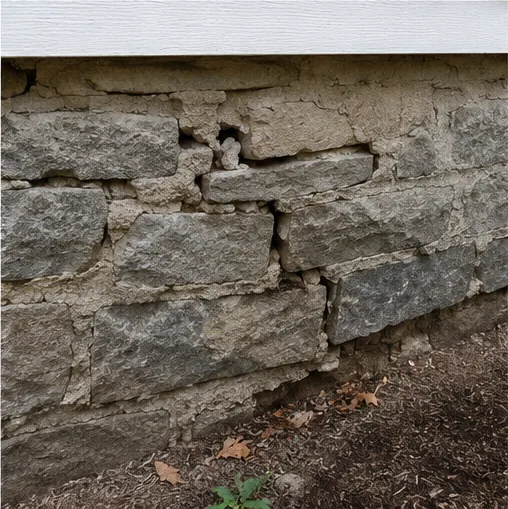
Cracked and shifting stone foundation wall exterior
Free 2-Minute Quote

Concerned about this? Get it inspected.

This finding is covered by our standard 120-point inspection. Get your free quote, choose a time, and add thermal imaging or mold testing to map what's hidden.

Signs & Symptoms

What it looks like.

The warning signs we document and that you can watch for.

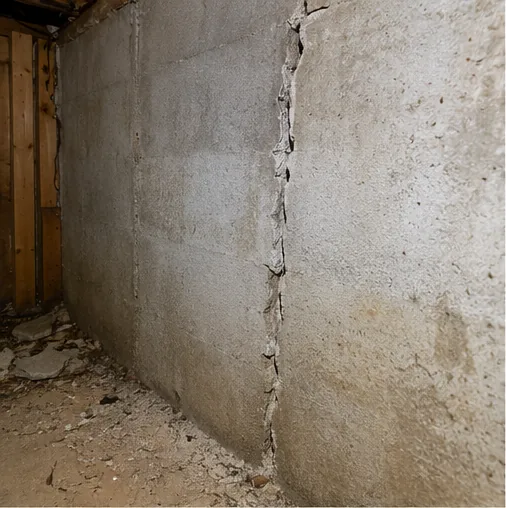
Bowing and horizontally cracked basement foundation wall
Signs

What to look for

Diagonal cracks radiating from the corners of doors and windows, gaps opening between walls and ceilings or trim, doors and windows that stick or won't latch, sloping or bouncy floors, cracks in drywall and brick veneer that widen at the top, and a chimney or porch pulling away from the house. A noticeable slope across a floor is a strong differential-settlement clue.

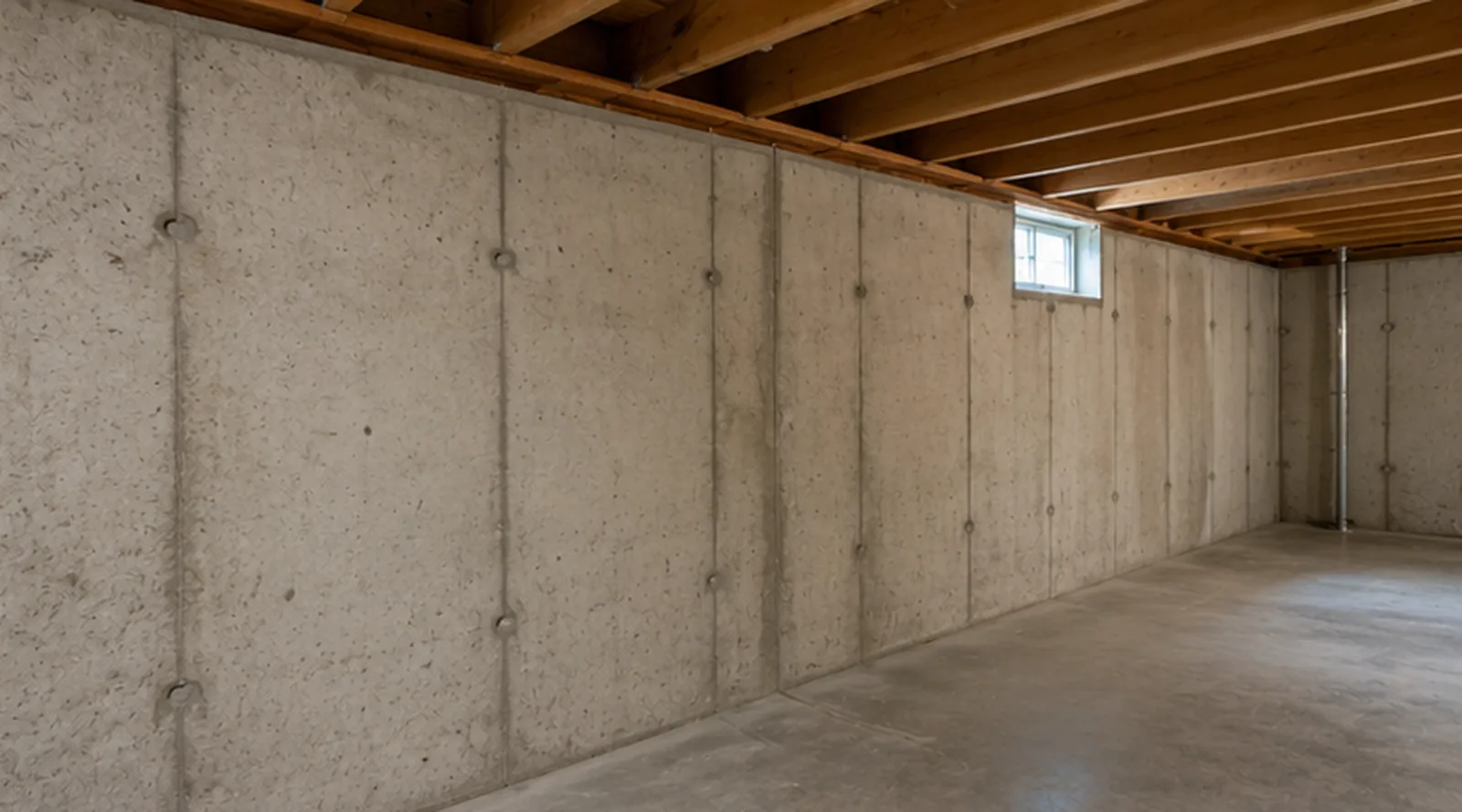
Foundation footing area inspected for settlement in a Hutchinson basement
Causes

Why it happens

The usual culprits are soils that lose volume — clay shrinking as it dries, organic or poorly compacted fill consolidating, and soil eroded or washed out by poor drainage and plumbing leaks. Drought followed by heavy rain, large trees drawing moisture from the soil, and footings that were undersized or placed on disturbed ground all drive differential settlement.

Settlement cracking above a basement opening in a Hutchinson, MN home
Risk

If it's ignored

Ongoing differential settlement progressively racks the structure: cracks widen, floors slope further, doors jam, and plumbing and brick can fail. While it rarely causes sudden collapse, the cumulative damage grows expensive and can render parts of a home unusable. The risk of inaction is that a repair that needed a few piers becomes a major underpinning project.

Repair Options

How it's addressed.

If settlement has stopped, repairs are cosmetic — sealing cracks and re-hanging doors. Active differential settlement is corrected by stabilizing the footing: helical or push piers driven to stable soil or bedrock can support and sometimes lift the foundation back toward level. Correcting drainage and any leaking plumbing removes the cause. A structural engineer or foundation contractor designs the piering; we identify and document the movement.

This is one of the findings covered by the full 120-point home inspection and documented under our foundation inspection. Related issues worth reading: Stair-step cracks Horizontal foundation cracks Poor grading & drainage Bowing basement walls.

Foundation footing area inspected for settlement in a Hutchinson basement
Common Variations

What turns up around Hutchinson.

Differential movement

One corner or section sinking faster than the rest, twisting the structure.

Diagonal cracks

Cracks radiating up from door and window corners as the frame racks.

Sloping floors

Floors that pitch toward the settling area, often felt as a roll underfoot.

Sticking doors

Doors and windows binding as openings go out of square.

Wall-ceiling gaps

Separation where walls meet ceilings as the frame distorts.

Addition pull-away

An addition or porch settling and separating from the main house.

How We Inspect It

Four steps to a clear answer.

01

Read the cracks

We map crack patterns at openings and corners for the settlement signature.

02

Check for slope

We use a level to find floor pitch that reveals differential movement.

03

Test openings

We operate doors and windows to gauge how far the frame has racked.

04

Document & refer

Active settlement is prioritized in your report and referred for engineering.

Minnesota Notes

Why this matters here.

McLeod County sits on glacial soils that range from dense till to soft clay and organic pockets, so settlement patterns vary house to house. We see differential settlement most often at additions, attached garages, and homes where downspouts and grading have eroded soil at a corner. Minnesota's wet-dry seasonal swing keeps clay-driven settlement active.

Book Your Inspection
Settlement cracking above a basement opening in a Hutchinson, MN home
FAQ

Foundation Settlement questions, answered.

Is some foundation settlement normal?
Yes. Uniform settling of a new home is expected and usually harmless. The concern is differential settlement — one part sinking faster than another — which twists the structure and produces cracks and sloping floors.
What are the signs of foundation settlement?
Diagonal cracks from door and window corners, sticking doors, sloping floors, gaps between walls and ceilings, and additions or porches pulling away from the house.
What causes settlement in Hutchinson homes?
Soils that lose volume — drying clay, poorly compacted fill, and soil eroded by poor drainage or leaks. Large trees and seasonal wet-dry cycling in McLeod County clay are common contributors.
How is foundation settlement repaired?
Active settlement is stabilized with helical or push piers driven to stable soil, which can support and sometimes lift the foundation. The drainage or leak driving it must be corrected. An engineer designs the fix.
Can you tell if settlement is still happening?
We look for fresh versus aged cracking, measure floor slope, and test openings to judge whether movement appears active. For a definitive answer, an engineer can install monitors to track the wall over time.

Related defects & inspections

Explore related findings in the Defect Library: Stair-step cracks Horizontal foundation cracks Poor grading & drainage Bowing basement walls. See how we document it in the foundation inspection and the full 120-point home inspection, and add mold testing or thermal imaging when hidden moisture is suspected. We serve Hutchinson and McLeod County.

Get a straight answer about your home.

Get Your Free Instant Quote
📞 Call Free Instant Quote