Insulation
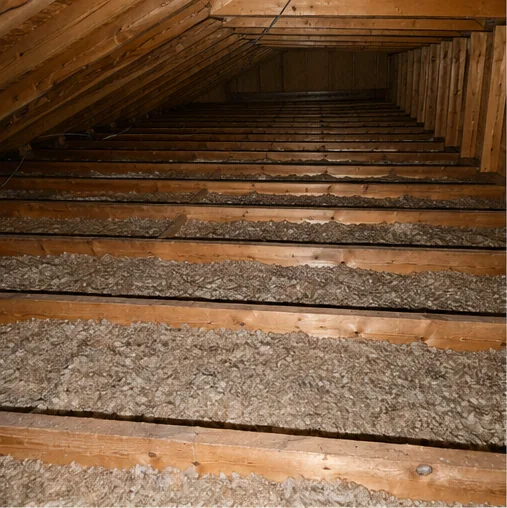
Below-code R-value
Settled, thin, or patchy insulation that falls short of R-49 bleeds heat and drives up winter bills. We estimate depth and flag the gaps.
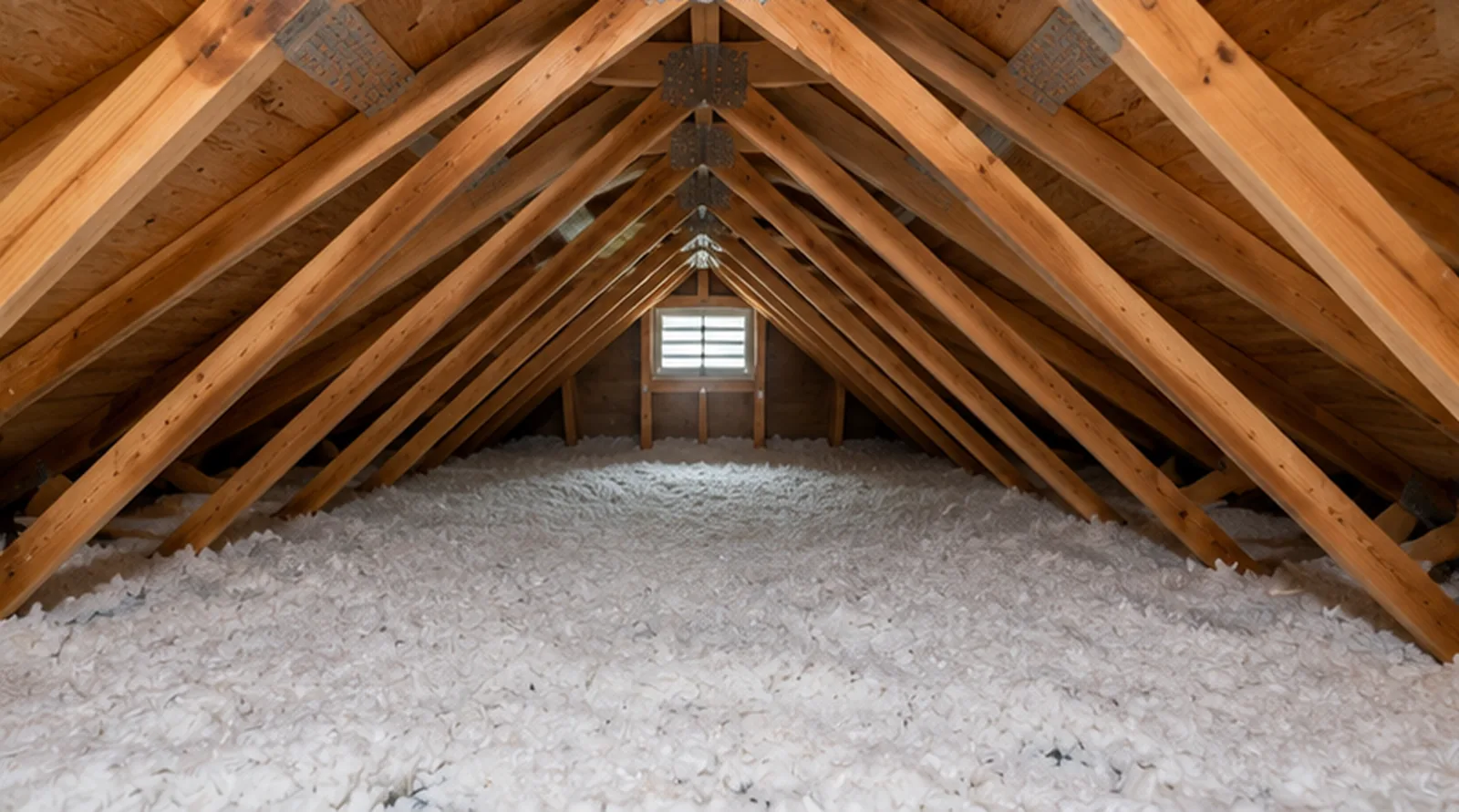
R-value holds heat in; airflow carries moisture out. Get the balance wrong and you get ice dams, frost, and a furnace that never stops. We measure both and show you exactly where a Hutchinson home is losing the battle.
Answer a few quick questions about the home, get your free quote now, and pick a time. Insulation and ventilation are assessed in every full inspection.
This inspection looks at attic and accessible wall insulation — type, depth, coverage, and gaps — along with air sealing at the ceiling plane, vapor barriers, and the ventilation path from soffit intake to ridge or roof exhaust. We confirm baffles are in place and that bath and kitchen fans vent to the outdoors, not into the attic.
It is part of the pillar 120-point home inspection and works hand in hand with attic inspection and moisture inspection — the cluster that decides whether a Hutchinson home stays warm, dry, and ice-dam-free.
Get Your Free Quote →With long sub-zero stretches, the home's thermal envelope is under constant load. Thin insulation means runaway heating bills; poor ventilation means trapped moisture, frost, and the ice dams that destroy roofs and ceilings across McLeod County.
Settled, thin, or patchy insulation that falls short of R-49 bleeds heat and drives up winter bills. We estimate depth and flag the gaps.
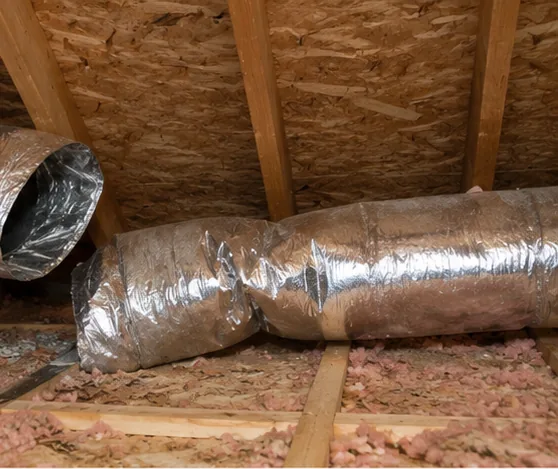
Too little intake or exhaust traps moisture and frost. We check for blocked soffits, missing baffles, and a balanced vent path.
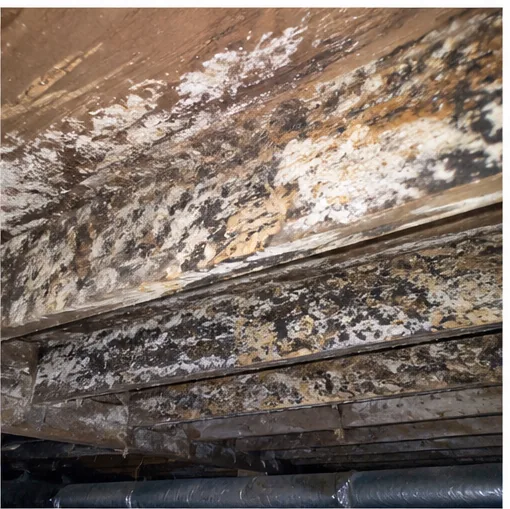
Warm-air leaks and fans venting into the attic feed condensation and ice dams. We trace the leaks and verify fans exit outdoors.
Settled or sparse attic insulation well under the recommended depth for our climate zone, wasting heat all winter.
Insulation packed over the soffits with no baffles, choking the intake air the attic needs to dry out.
Bath and kitchen exhaust dumping humid air into the attic, soaking insulation and feeding frost and mold.
Open gaps at can lights, chimneys, and top plates that let warm household air leak straight into the attic.
Insulation crushed by storage or foot traffic that loses much of its rated R-value where it's needed most.
A missing or improperly placed vapor retarder that lets indoor humidity migrate into cold framing and condense.
We note insulation type and approximate depth across the attic, flagging thin, settled, and compressed areas.
We look for warm-air leaks at can lights, chimneys, top plates, and the attic hatch that undermine the insulation.
We check soffit intake, baffles, and ridge or roof exhaust to confirm a balanced, working airflow path.
We verify bath and kitchen fans vent fully outdoors, then document every finding in your 24-hour report.
This pairs directly with attic inspection, moisture inspection, and crawlspace inspection, and it's part of the full 120-point home inspection. For the damage poor balance causes, see ice dams and attic condensation. We serve Hutchinson and the surrounding McLeod County communities.