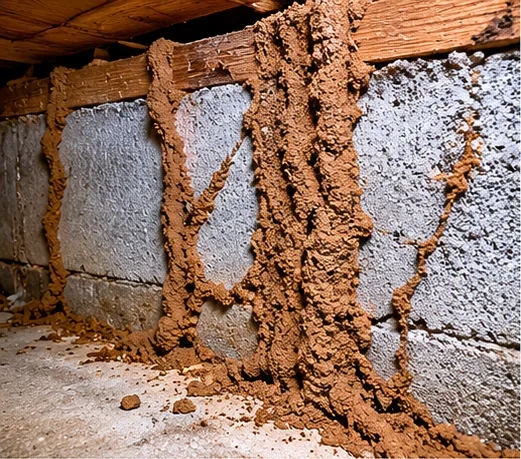
Moisture
Standing water & damp soil
Snowmelt and a high water table leave crawlspaces wet. We check the vapor barrier, drainage, and any sump system that keeps it dry.
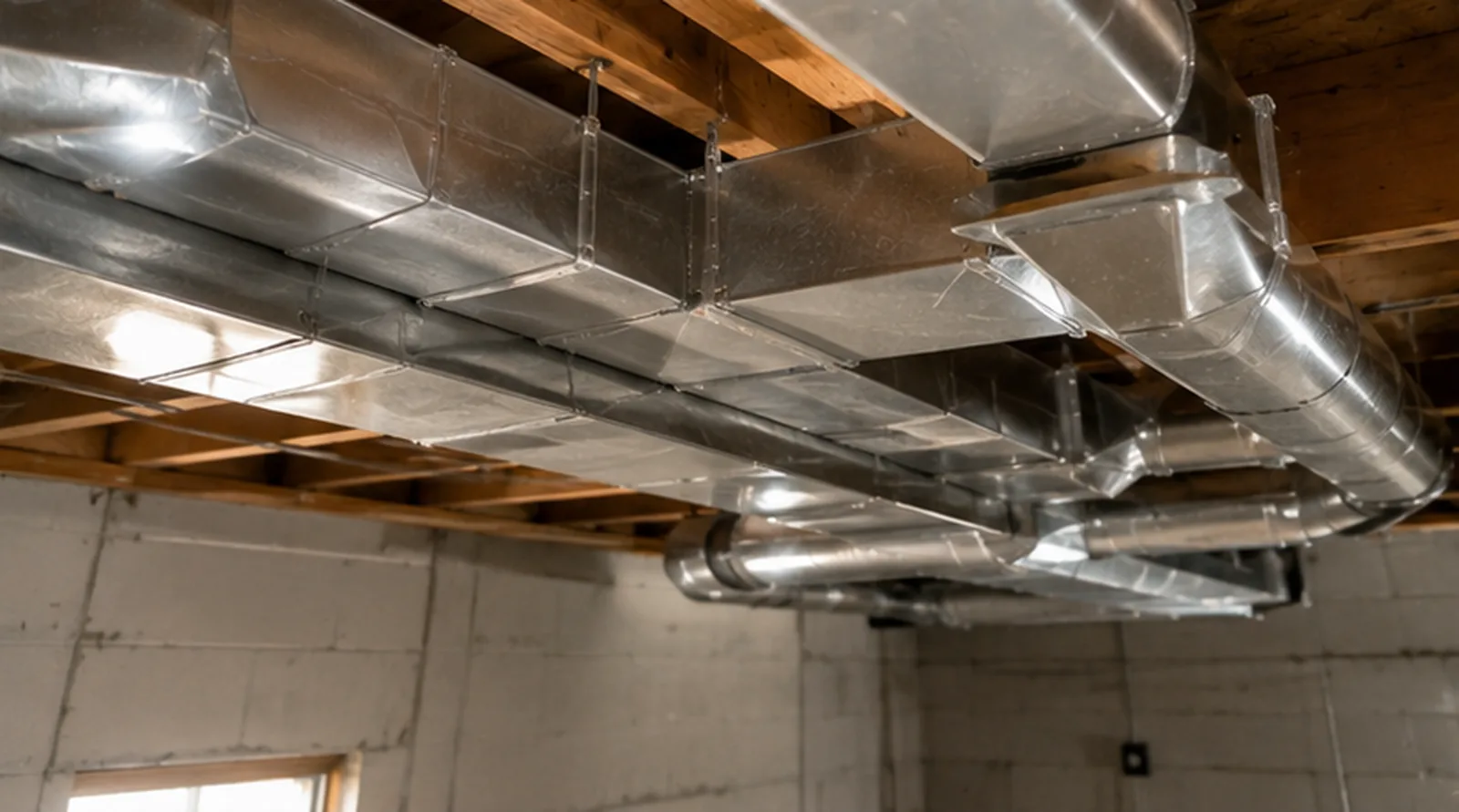
Joists, beams, vapor barrier, ductwork, and plumbing — we go underneath where most buyers never look, because moisture and rot down here quietly drive up your bills and weaken the floors above.
Answer a few quick questions about the home, get your free quote now, and pick a time. The crawlspace is inspected as part of every full home inspection.
A crawlspace inspection documents the floor framing, beams and support posts, the ground vapor barrier, foundation walls and piers, insulation, and the ductwork and plumbing runs that thread through the space. We check for standing water, efflorescence, wood rot, mold, and the pest activity that thrives in damp, dark areas.
It is part of the pillar 120-point home inspection and overlaps closely with moisture inspection and insulation & ventilation — because a wet crawlspace rarely stays a crawlspace problem for long.
Get Your Free Quote →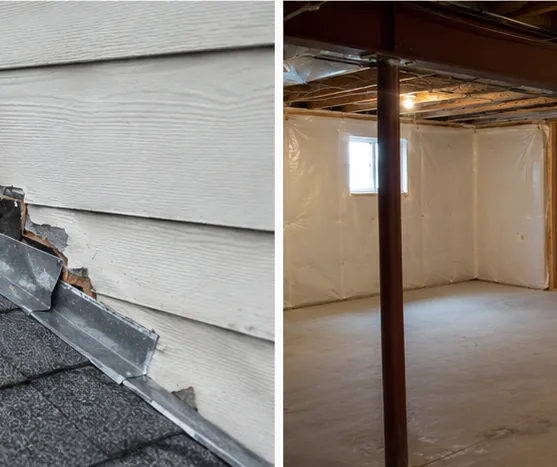
Around Hutchinson and the Crow River, ground moisture and frost movement put steady pressure on crawlspaces. Without a sealed barrier and working drainage, that moisture rots framing and rides upstairs into the air you breathe.
Snowmelt and a high water table leave crawlspaces wet. We check the vapor barrier, drainage, and any sump system that keeps it dry.
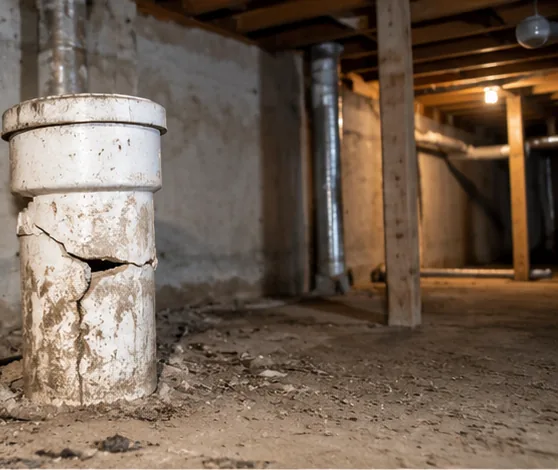
Chronic dampness softens joists and beams. We probe suspect wood, check support posts, and document any sag or movement in the floor system.
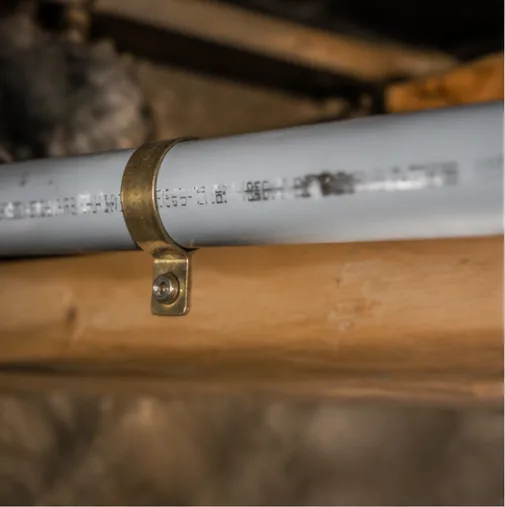
Crushed or disconnected ducts waste energy, and uninsulated supply lines can freeze. We trace the runs and flag every weak point.
Bare soil or torn plastic that lets ground moisture evaporate straight into the framing and the home above.
Pooled water or a failed sump from snowmelt and a high water table — the root of most crawlspace rot and mold.
Softened, fungus-stained, or improperly notched framing that compromises the strength of the floors overhead.
Ducts that have separated or been crushed, dumping conditioned air under the house and spiking energy use.
Sagging, wet, or absent floor insulation that leaves the home cold above and the pipes vulnerable to freezing.
Droppings, nests, and surface mold that thrive in the damp dark and signal both entry points and air-quality concerns.
We locate the access, note clearance and standing water, and enter wherever it is safe to inspect up close.
We inspect joists, beams, posts, and foundation walls, and confirm the vapor barrier covers the soil and seals to the walls.
We follow ductwork and plumbing, checking for disconnects, leaks, insulation, and freeze risk.
We document water, rot, mold, efflorescence, and pest signs — each photographed and prioritized in your report.
The crawlspace connects to moisture inspection, insulation & ventilation, and interior inspection, and it is part of the full 120-point home inspection. When we find trouble below, see our notes on wood rot and crawlspace moisture. We serve Hutchinson and the surrounding McLeod County communities.