
Signs
Soft, dark & peeling
Trim that's spongy to the touch, darkened, peeling its paint, or pulling away at the joints is actively decaying.
Soft, peeling trim around a window or eave looks minor. But rot only happens where water gets in — and that same path can lead straight to the framing behind the wall.
Every standard inspection covers the exterior trim, fascia, and siding. Get your free quote, pick a time, and book online in minutes.
Wood trim — the boards around windows and doors, the fascia under the roof edge, soffits, corner boards, and rake trim — is the home's first line of defense against weather. Rot is fungal decay that takes hold when that wood stays damp. It starts soft and dark, the paint lifts, and eventually the wood crumbles. Once it's rotting, it's no longer keeping water out; it's letting water in.
That's why rotted trim matters beyond appearance: it marks a spot where moisture has been finding its way behind the surface. We inspect it closely as part of the exterior inspection, because it often points to a problem larger than the trim itself.
Get Your Free Quote →Trim rots at the spots where water collects and lingers.
Trim that's spongy to the touch, darkened, peeling its paint, or pulling away at the joints is actively decaying.
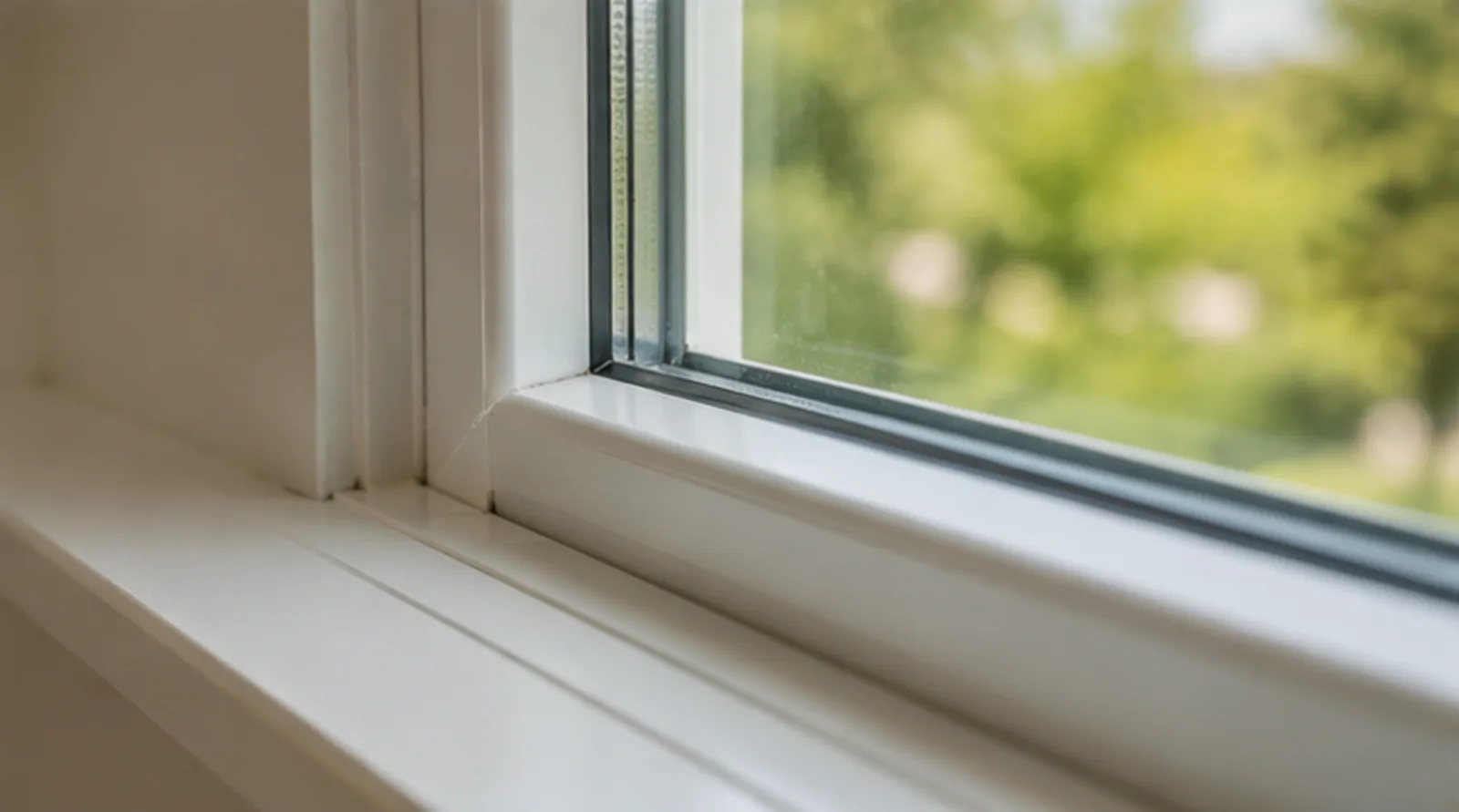
Cracked caulk at windows and doors and missing or poor flashing let water slip behind the trim and stay there.
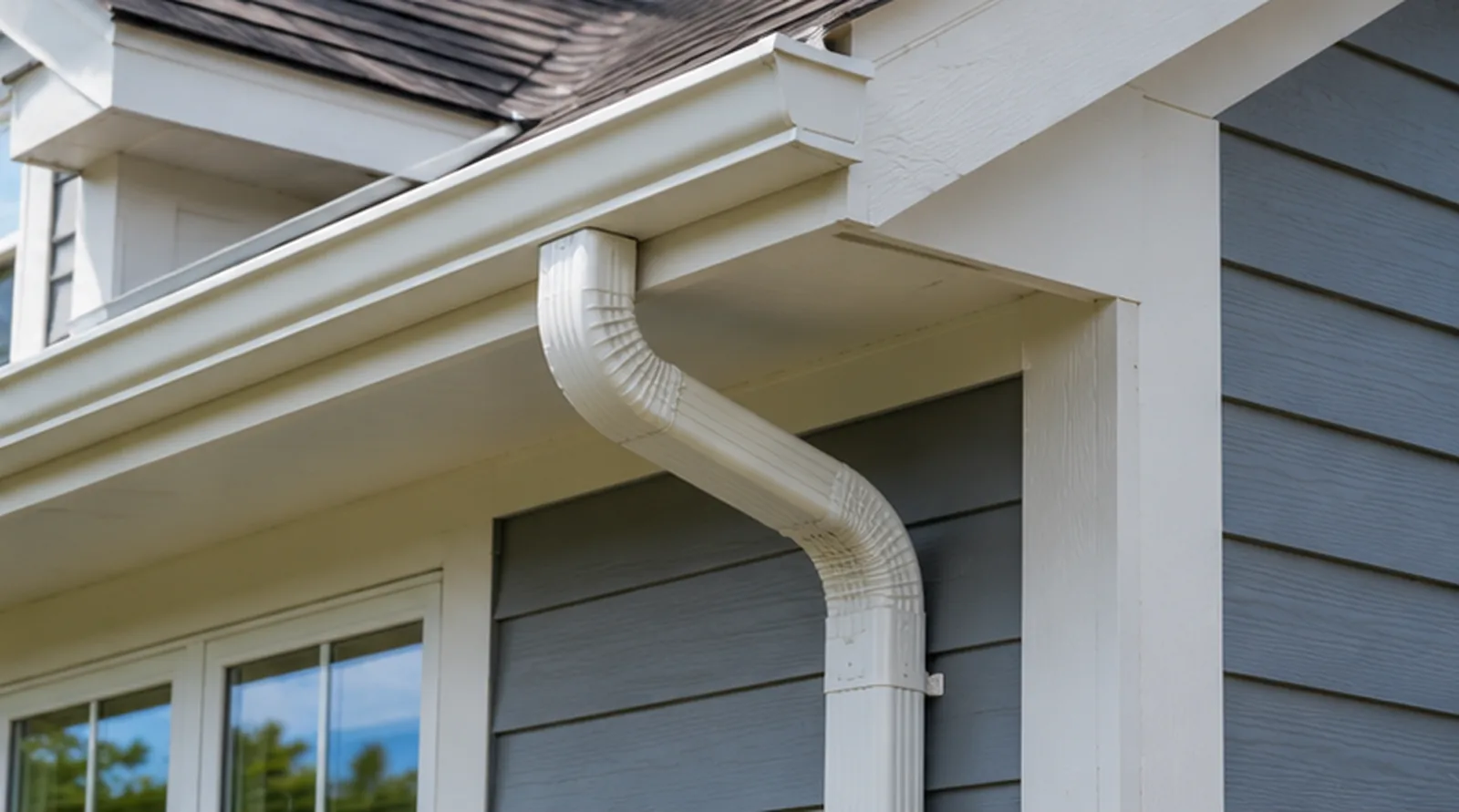
Overflowing gutters, ice dams, and splashback soak fascia and lower trim through Minnesota's wet seasons.
Rotted trim signals water has been getting behind the surface, where it can reach sheathing, framing, and insulation.
Water trapped in trim freezes and expands, splitting the wood and opening new gaps each Minnesota winter.
Ice dams back water up under eaves and behind fascia, a classic source of rot along the roof edge here.
Soft, decaying wood is an invitation to carpenter ants and other pests that tunnel into the structure.
Rot doesn't stop on its own. Left alone, it migrates into adjacent boards and the structure behind them.
Gaps from rotted trim let conditioned air escape and cold air in, nudging heating bills up all winter.
We inspect trim at windows, doors, eaves, fascia, soffits, and corners around the whole home.
Where it's safe, we check soft, stained, or peeling areas for the give that signals decay.
We look for the caulk, flashing, gutter, or grading issue that's letting water reach the wood.
Rot locations and likely moisture sources are photographed and prioritized in your 24-hour report.
The key to lasting repair is fixing the water source first — re-caulking, correcting flashing, clearing gutters, or improving grading — and only then addressing the wood. Small, isolated rot can sometimes be cut out and patched, but widely soft or decayed trim should be replaced, often with a rot-resistant material. A contractor should also check the sheathing and framing behind the trim for hidden damage.
We don't quote repair costs. We document where the rot is and what's likely feeding it, so you can address both the symptom and the cause before another wet Minnesota season makes it worse.
Get Your Free Quote →Rot rarely travels alone on the exterior. Read about failing caulk & seals, deteriorated siding, clogged gutters & downspouts, and deck ledger issues. See the full Defect Library, our exterior inspection, or everything in a home inspection. We serve Hutchinson and McLeod County.