
Signs
Rot, swelling & cracks
Soft, swollen, or rotting wood siding and cracked, brittle vinyl are clear signs the cladding is failing.
Siding is the home's outer skin. When it cracks, rots, or buckles, it stops doing its job — and water, cold, and pests start finding their way into the walls.
Every standard inspection includes a full walk of the exterior cladding. Get your free quote, pick a time, and book online in minutes.
Siding — whether wood, engineered wood, vinyl, fiber cement, or steel — is designed to shed water away from the wall and shrug off sun, wind, and cold. "Deteriorated siding" is cladding that's lost that ability: rotted or swollen wood, cracked or brittle vinyl, buckled or warped panels, chalking and failed paint, loose or missing pieces, and damage from hail or impact. At that point the siding is no longer protecting the structure underneath.
It's tempting to read tired siding as purely cosmetic, but the real concern is what gets in once it fails. We evaluate the full exterior as part of the exterior inspection.
Get Your Free Quote →Each material fails in its own way, but moisture and sun drive most of it.
Soft, swollen, or rotting wood siding and cracked, brittle vinyl are clear signs the cladding is failing.
Warped, buckled, or loose panels and widely peeling, chalking paint mean the siding's protective layer is spent.
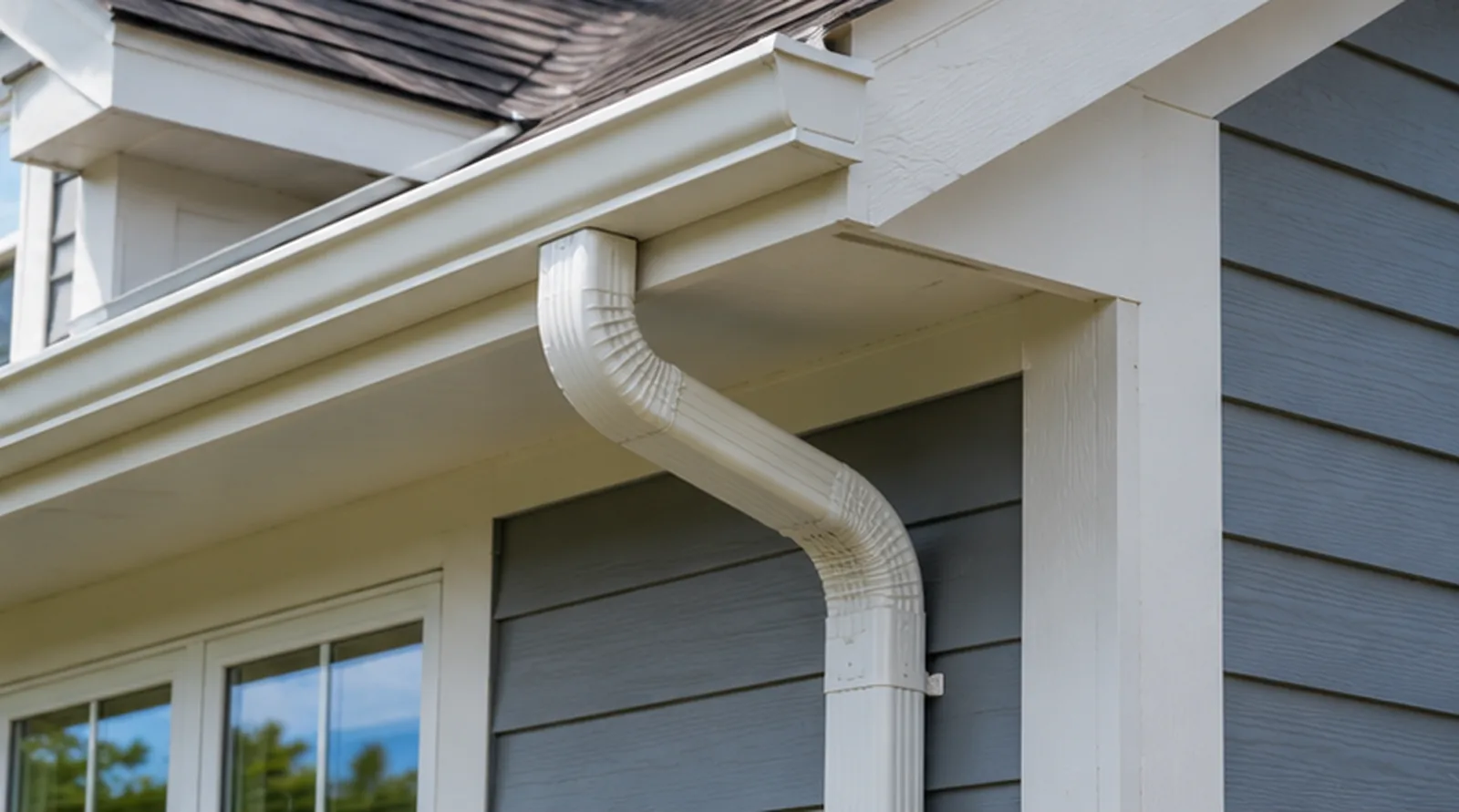
Overflowing gutters, splashback, UV, freeze-thaw, and hail all wear siding down — fastest where water lingers.
Failed siding lets water reach the sheathing and framing, where it rots structure and can feed interior mold.
Gaps and missing pieces let conditioned air escape and cold air in, raising heating bills across the winter.
Water absorbed into siding freezes and expands, cracking and splitting it a little more each Minnesota winter.
Soft, rotting, or gapped siding gives insects and rodents an easy way into the wall assembly.
Hail and wind common to the region crack and dent siding, opening new paths for moisture.
Widespread deterioration can mean re-siding a wall or the home — a major cost worth knowing before closing.
We inspect all sides of the home's cladding, noting the material and its overall condition.
We look for rot, cracking, buckling, loose pieces, failed paint, and impact damage.
We check gutters, flashing, trim, and grading to find what's driving the deterioration.
Siding condition and likely moisture sources are photographed and prioritized in your 24-hour report.
The fix depends on extent. Isolated rot or a few cracked or missing pieces can often be repaired or replaced individually, then repainted or resealed. When deterioration is widespread, re-siding a wall or the whole home may be the more durable choice — and a chance to add a proper water-resistive barrier behind the new cladding. In every case, the underlying water source needs correcting first.
We don't quote costs. We document the cladding's condition and what's causing the damage so you can weigh repair against re-siding with a contractor — and protect the structure underneath before another wet season.
Get Your Free Quote →Siding damage usually has company. Read about rotted wood trim, failing caulk & seals, clogged gutters & downspouts, and negative grading. See the full Defect Library, our exterior inspection, or everything in a home inspection. We serve Hutchinson and McLeod County.