Signs
Overflow & sagging
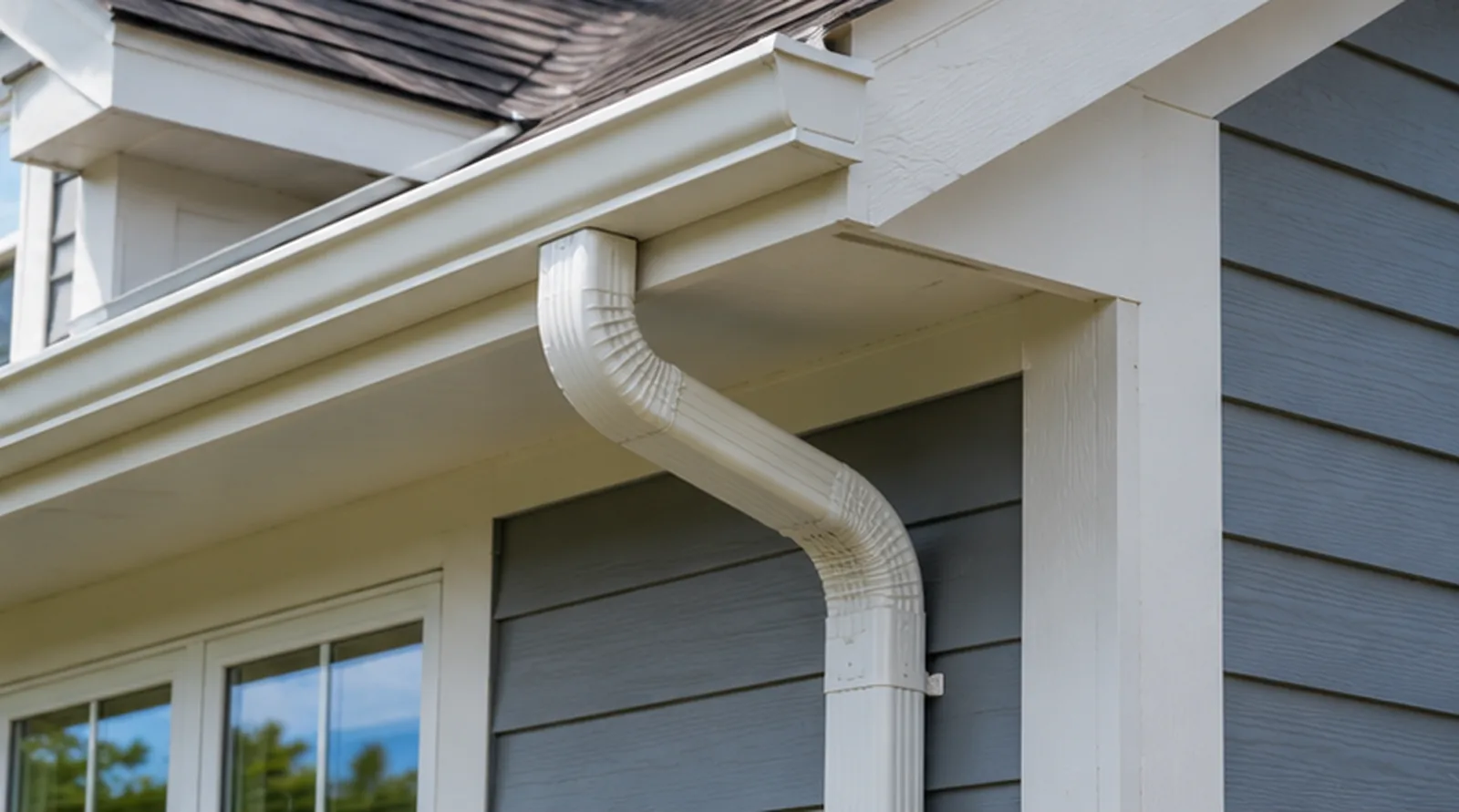
Water spilling over the edge, plants growing in the trough, sagging sections, and streaking down the siding all signal a clog.
A roof sheds thousands of gallons a year. When the gutters clog, all that water spills right where you least want it — against the walls, the trim, and the foundation.
Every standard inspection covers the gutters, downspouts, and roof drainage. Get your free quote, pick a time, and book online in minutes.
Gutters catch the water that runs off the roof, and downspouts carry it to the ground and away from the house. It's a simple system with an outsized job. "Clogged gutters and downspouts" means that system has stopped working: leaves, seeds, shingle grit, and ice fill the troughs and outlets, water overflows the edges, and downspouts back up or discharge right at the foundation instead of well clear of it.
When that happens, roof water that should be steered away is instead delivered straight to the walls and foundation. Because so many exterior and basement problems begin with this one neglected system, we check it during the exterior inspection.
Get Your Free Quote →The evidence shows up at the gutter line and on the ground below.
Water spilling over the edge, plants growing in the trough, sagging sections, and streaking down the siding all signal a clog.
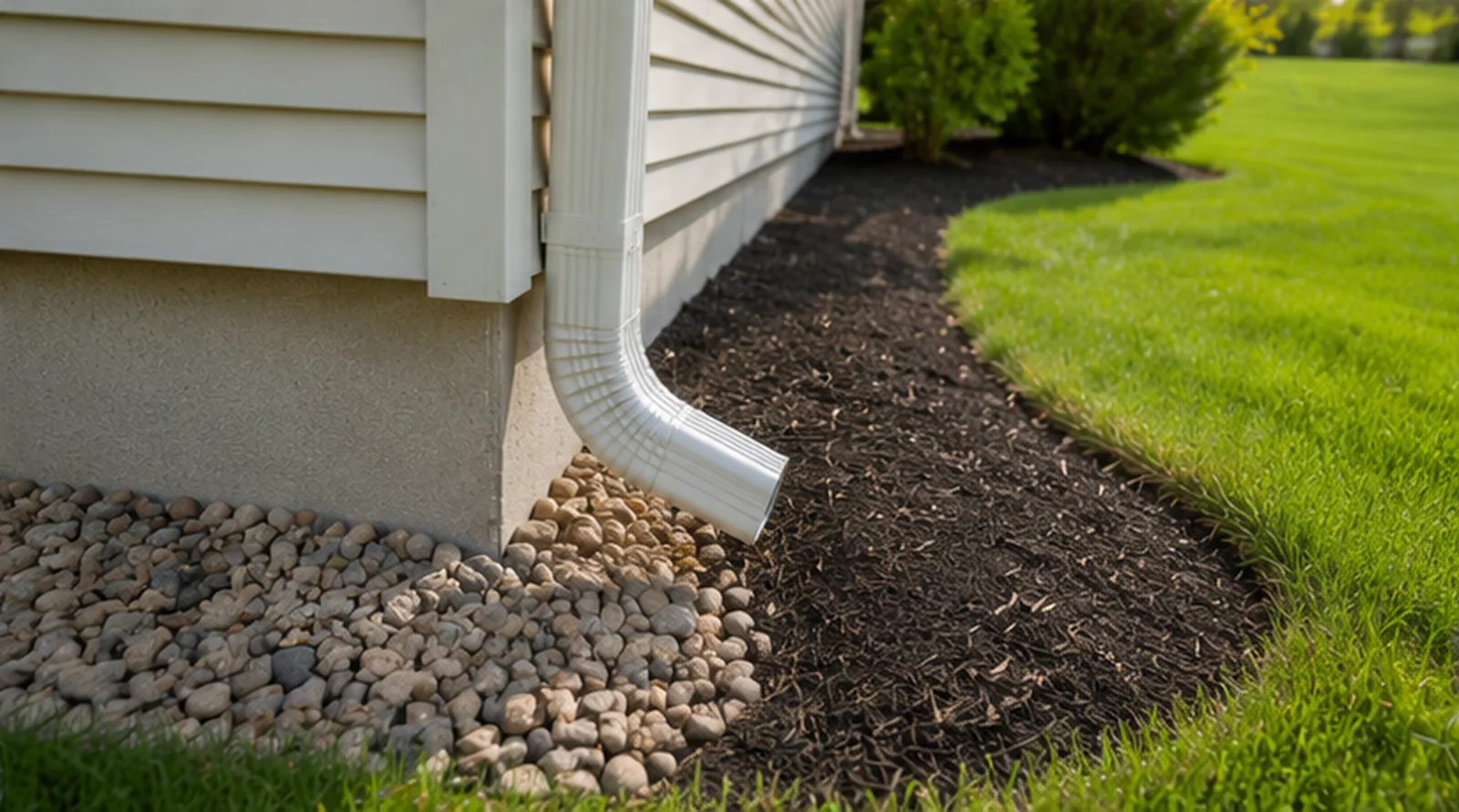
Splashed, eroded, or trenched soil beneath the gutter line shows water has been pouring straight down to the foundation.
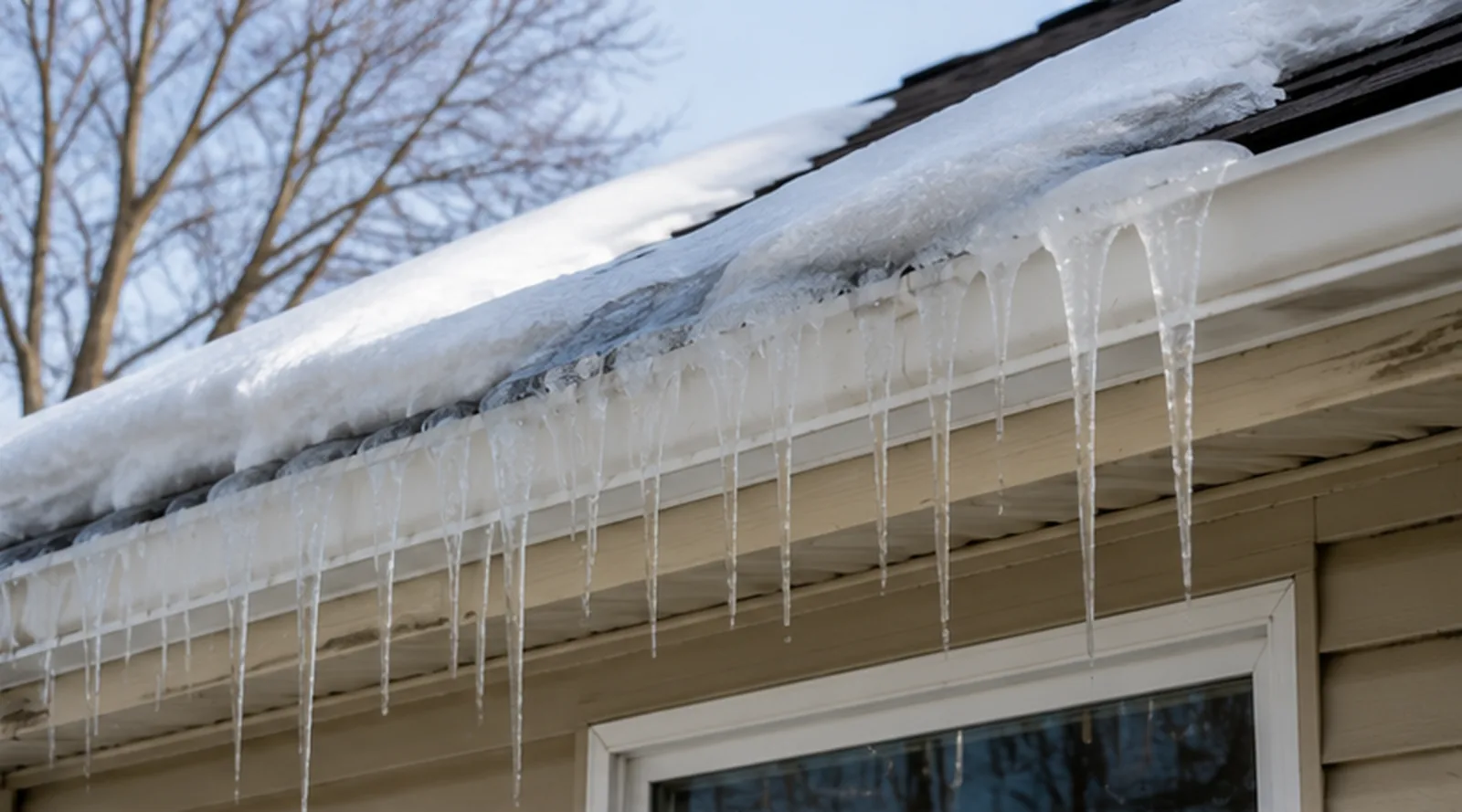
Fallen leaves, seeds, and shingle grit clog the troughs, and in winter packed ice blocks them and worsens ice dams.
Overflow pools at the foundation and seeps inside — clogged gutters are one of the most common causes of basement water.
Debris- and ice-packed gutters give backed-up meltwater nowhere to go, worsening ice dams that force water under shingles.
Water spilling behind the gutter soaks the fascia and trim, feeding the rot that leads to bigger repairs.
Constant overflow streaks and saturates the siding below, accelerating its deterioration.
Repeatedly soaking the soil at the foundation raises pressure on the walls and can contribute to cracking.
Cleaning gutters and extending downspouts is inexpensive — and prevents a long list of costlier problems.
We check the visible gutters for debris, overflow staining, sagging, leaks, and proper slope.
We trace the downspouts and note where they discharge relative to the foundation.
We look at the soil below for erosion and splashback that reveal where water has been falling.
Clogs, overflow damage, and discharge problems are photographed and prioritized in your 24-hour report.
The core fix is straightforward maintenance: clean the gutters and downspouts, reattach and re-slope sagging sections so they drain, seal leaks, and extend the downspouts so they discharge several feet from the foundation. Regular cleaning — at least each fall, and again after heavy leaf drop — keeps the system working, and gutter guards can reduce buildup. Pairing clean gutters with good grading is the most effective way to keep roof water away from the house.
We don't quote costs. We'll document where the gutters are clogged, overflowing, or discharging poorly so you can clean and correct them before the next storm or snowmelt.
Get Your Free Quote →Gutter problems feed the rest of the exterior. Read about negative grading, rotted wood trim, deteriorated siding, and failing caulk & seals. See the full Defect Library, our exterior inspection, or everything in a home inspection. We serve Hutchinson and McLeod County.