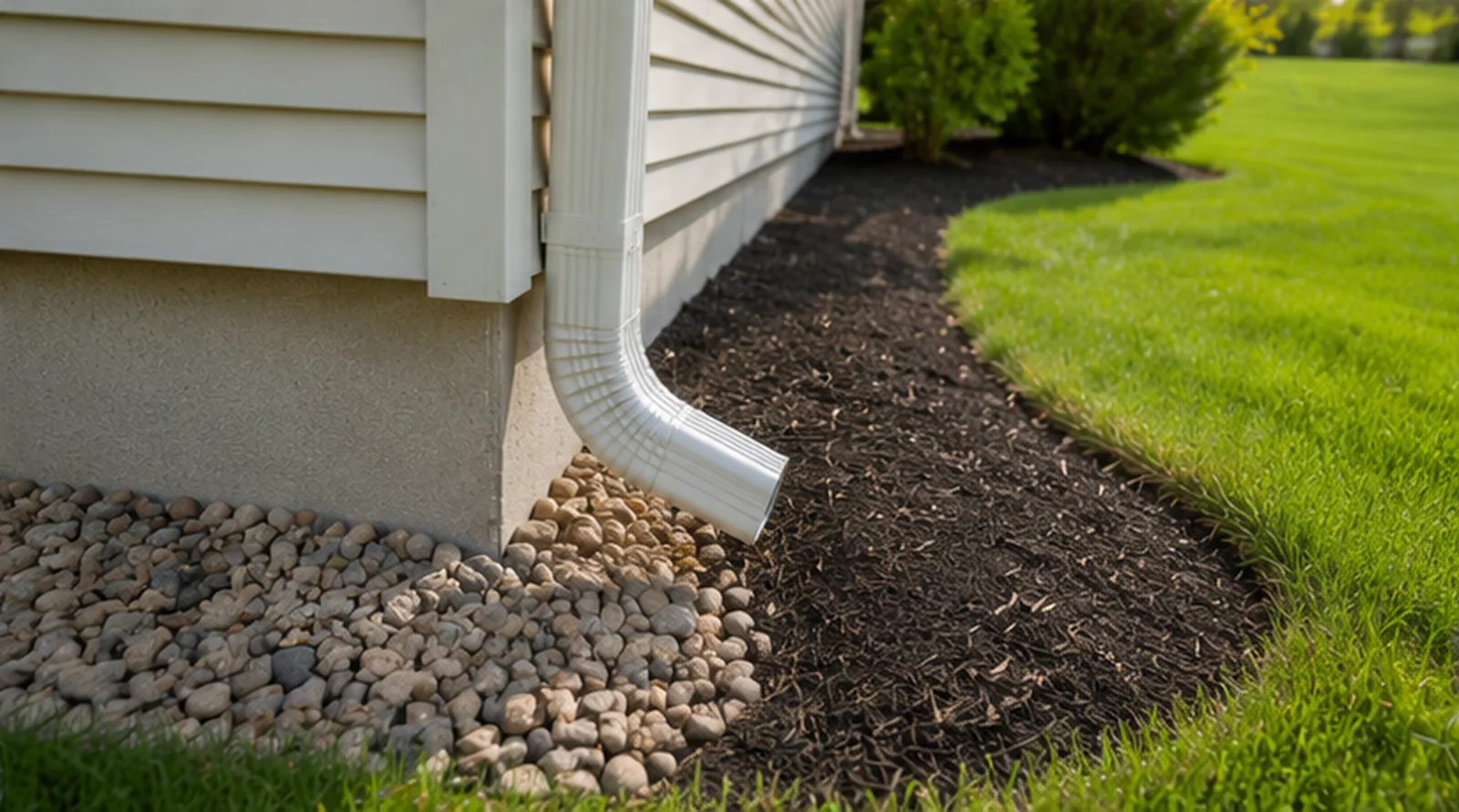
Signs
Soil sloping inward
Ground that pitches toward the house, low spots and puddles along the foundation, and soil settled below the surrounding grade.
If the ground slopes toward the house, every rain and snowmelt delivers water to the foundation. It's the quiet cause behind a remarkable share of wet basements.
Every standard inspection evaluates site grading and drainage around the home. Get your free quote, pick a time, and book online in minutes.
Grading is the contour of the soil around a home. Proper "positive" grading slopes the ground away from the foundation so rain and snowmelt run off and away. "Negative grading" is the opposite: the soil pitches back toward the house, often because the original grade settled, a garden bed was built up, a patio sloped wrong, or downspouts dump water right at the wall. Instead of shedding water, the yard delivers it to the foundation.
It's one of the most consequential — and most correctable — exterior defects, because so many foundation and basement moisture problems start right here. We evaluate it during the exterior inspection.
Get Your Free Quote →You can read it at the foundation line and in the basement.
Ground that pitches toward the house, low spots and puddles along the foundation, and soil settled below the surrounding grade.
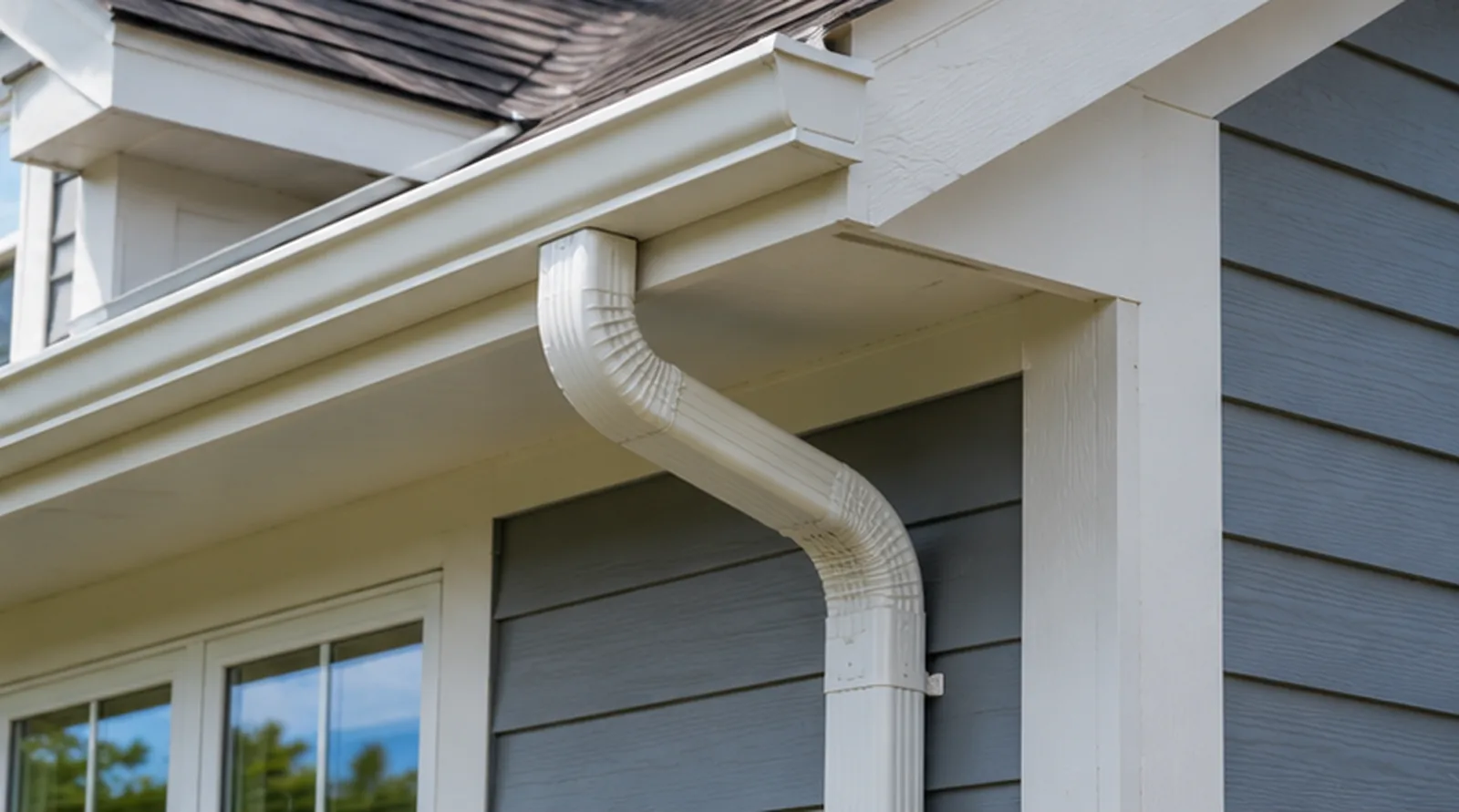
Downspouts that empty right at the foundation concentrate roof water exactly where grading already pushes it.
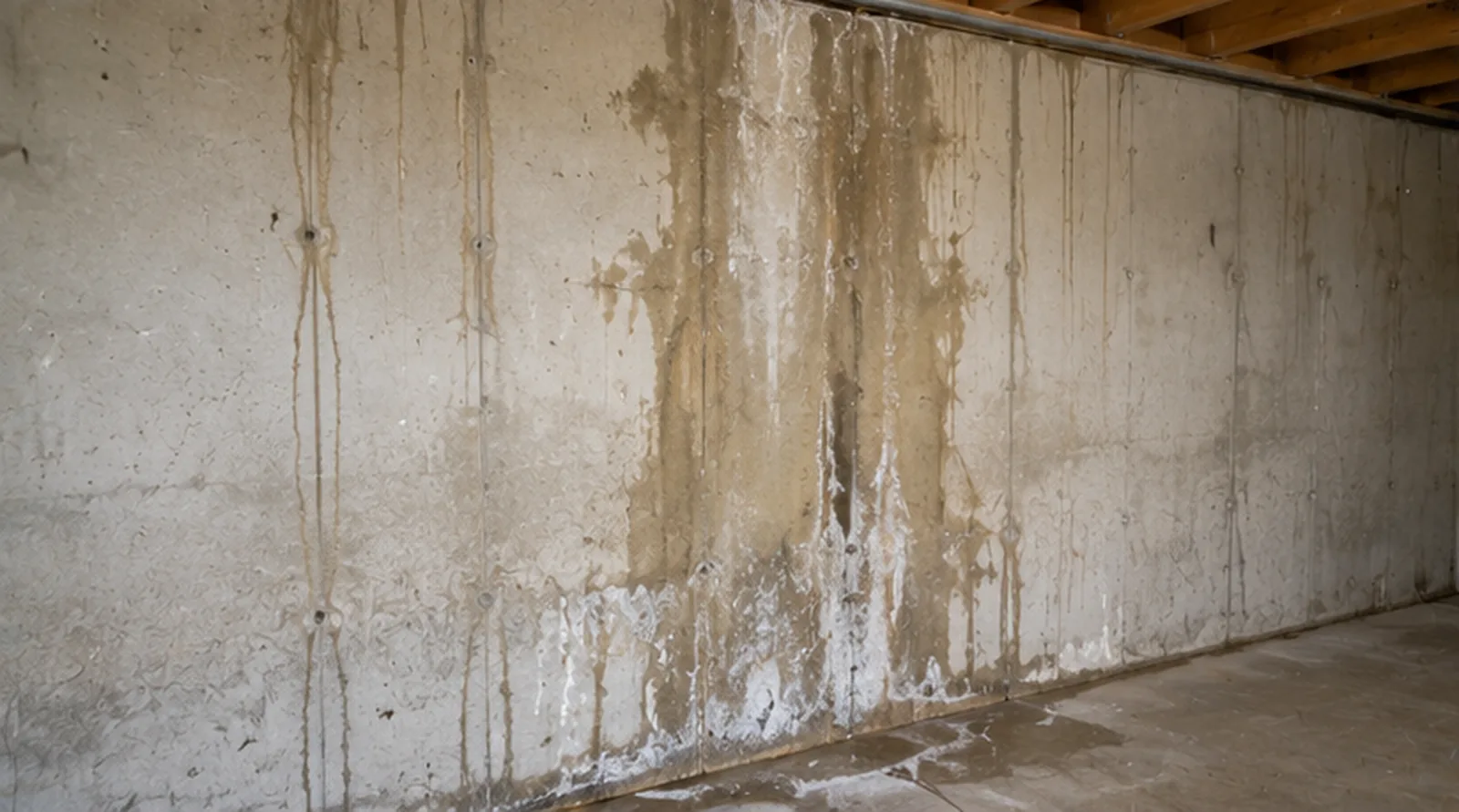
Water staining, efflorescence, or seepage on basement walls is often the indoor signature of grading failing outside.
Water steered to the foundation seeps through walls and floors — the most common path to a wet basement here.
A Minnesota thaw releases a season's worth of snow at once, and negative grading sends that flood straight to the house.
Persistent moisture in the soil against the wall raises hydrostatic pressure and can contribute to cracks and movement.
Saturated soil that freezes expands against the foundation, adding cold-climate stress that drier soil wouldn't.
Chronic dampness from grading feeds musty odors and the conditions that lead to basement mold.
Regrading and extending downspouts is often the most cost-effective way to dry out a basement — if you catch it.
We observe the slope of soil, hardscape, and landscaping along every side of the foundation.
We note where downspouts discharge and where low spots and settling collect water at the house.
We connect the grading to any staining, efflorescence, or seepage in the basement or crawlspace.
Negative grading and drainage concerns are photographed and prioritized in your 24-hour report.
Most negative grading is correctable with landscaping work: adding and recontouring soil so the ground falls away from the foundation over the first several feet, and extending downspouts to carry roof water well past the house. Where the lot or hardscape makes that hard, a swale or improved drainage may be needed. The payoff is large — good grading prevents the wet-basement and foundation problems that are far more expensive to fix.
We don't quote costs, but we'll document exactly where the grade and downspouts are working against the house so a landscaper or contractor can redirect the water before the next big snowmelt.
Get Your Free Quote →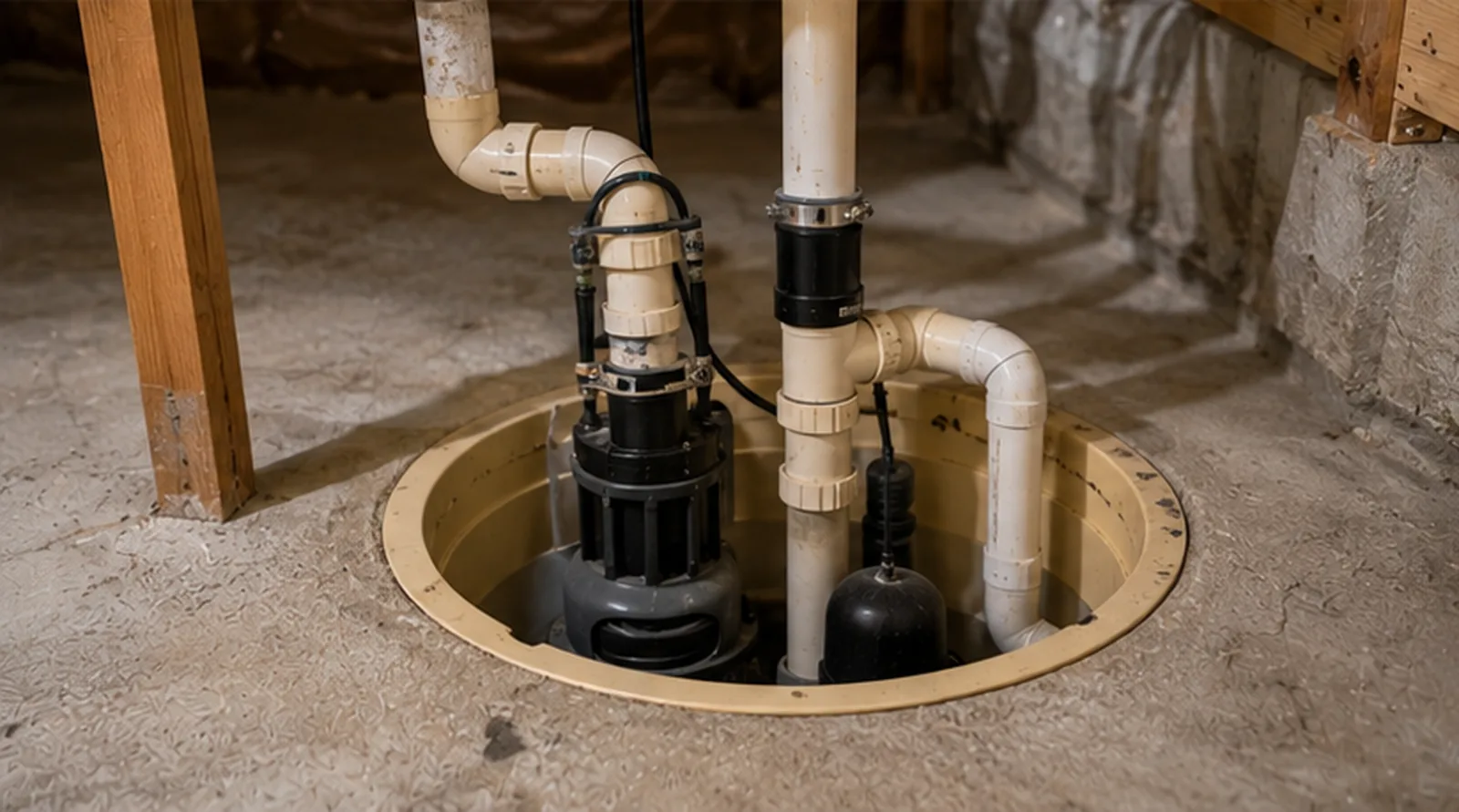
Grading ties directly to water in the home. Read about clogged gutters & downspouts, rotted wood trim, deteriorated siding, and deck ledger issues. See the full Defect Library, our exterior inspection, or everything in a home inspection. We serve Hutchinson and McLeod County.