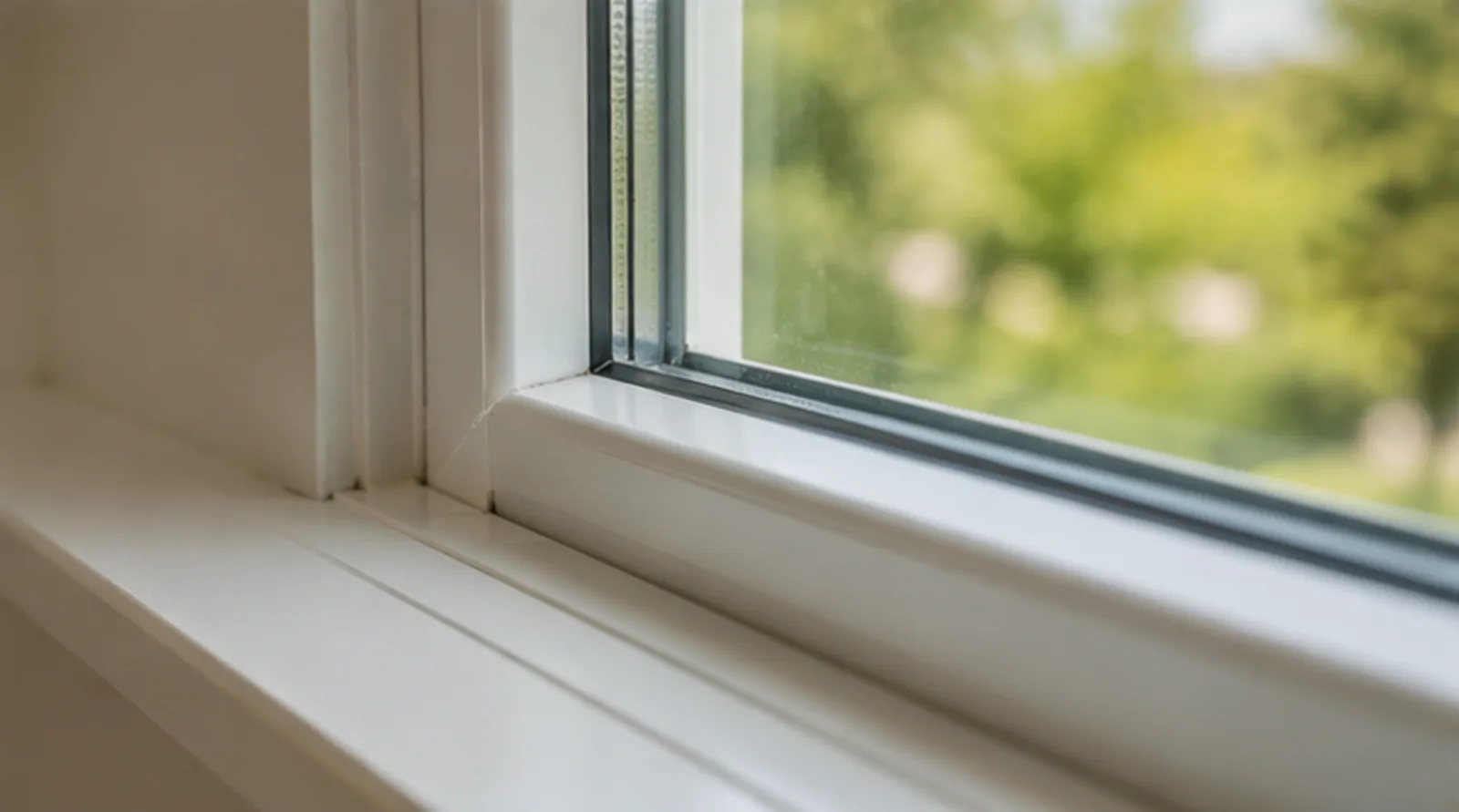
Signs
Cracked & pulled away
Caulk that's split, shrunken, crumbling, or separated from the trim leaves an open path for water and air.
A cracked bead of caulk is the cheapest defect to fix and one of the easiest to ignore. Left alone, it's also one of the most common starting points for rot and high winter bills.
Every standard inspection checks exterior caulk, seals, and window glazing. Get your free quote, pick a time, and add thermal imaging to map the air leaks.
Caulk and weather seals fill the joints where different materials meet — around windows and doors, at trim seams, and where pipes, vents, and fixtures pass through the exterior. They're meant to flex with the building and keep water and air out. Caulk has a limited life, though: it dries, shrinks, cracks, and separates. Weatherstripping flattens and tears. Window glazing seals fail and fog up between the panes.
"Failing caulk and seals" is the umbrella for all of those small breaches. Individually minor, together they decide how watertight and airtight the house really is — which is why we check them during the exterior inspection.
Get Your Free Quote →The signs are small but easy to spot once you know them.
Caulk that's split, shrunken, crumbling, or separated from the trim leaves an open path for water and air.

UV exposure and Minnesota's wide temperature swings dry caulk out and work the joints loose over a few years.
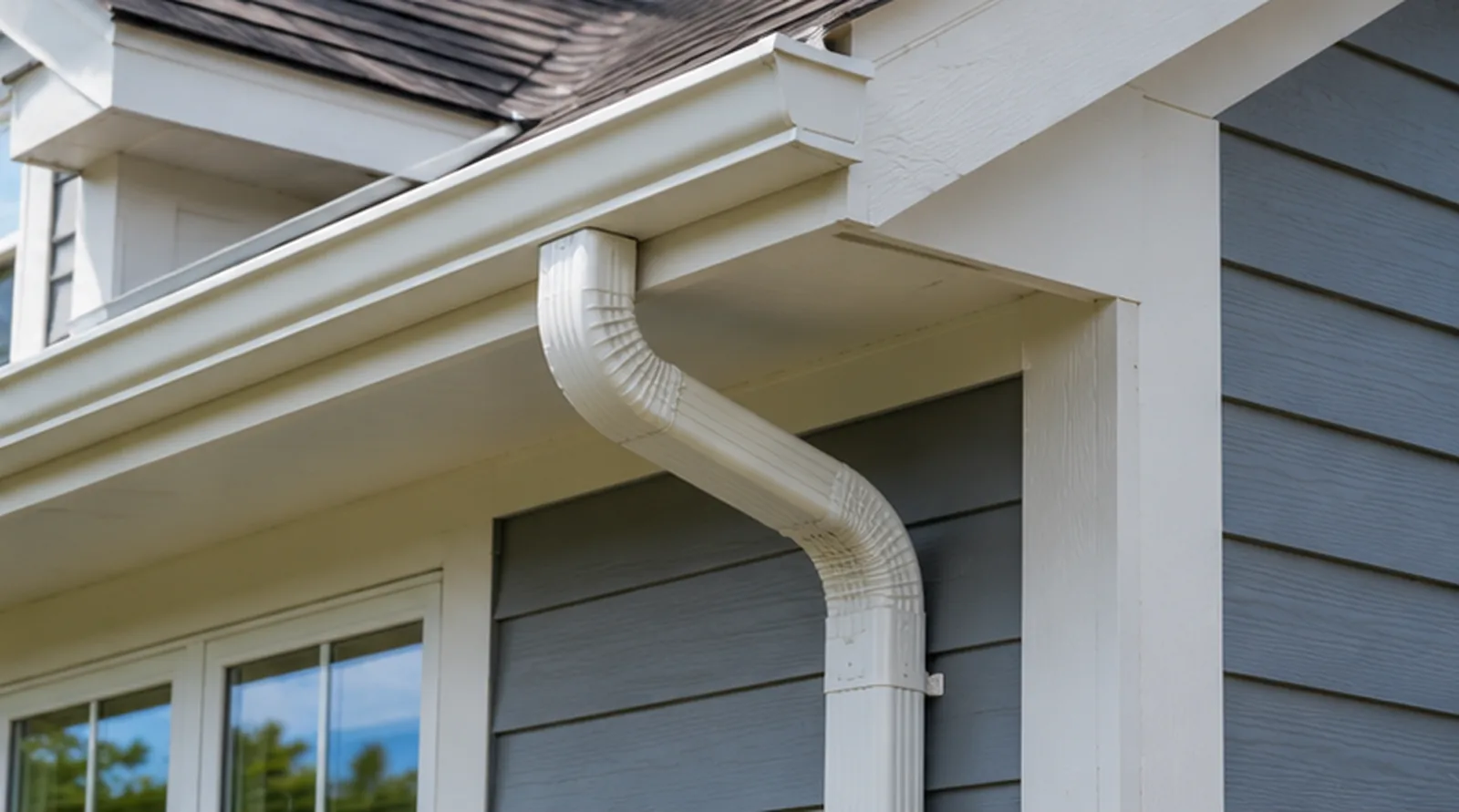
Fogging between window panes signals a failed glazing seal, while felt drafts and dust trails point to leaky weatherstripping.
Failed caulk lets water behind trim and siding, where it feeds the rot that leads to bigger structural repairs.
Air leaks around windows and doors let heat escape, and over a long Hutchinson winter that adds up on every bill.
Leaky seals create cold drafts and uneven temperatures that make rooms uncomfortable in deep winter.
Failed glazing seals fog the glass, cut visibility and efficiency, and signal the insulated unit needs replacement.
Cold air leaking in can chill surfaces enough to cause condensation and frost around windows in winter.
Re-caulking is inexpensive — but only if it's done before water has had time to rot the wood behind it.
We inspect caulk at windows, doors, trim seams, and exterior penetrations for cracks and gaps.
We look at weatherstripping and operation, and check window glass for fogging between panes.
We note staining, soft trim, or interior signs that failing seals have already let water in.
Failing caulk, seals, and glazing are photographed and prioritized in your 24-hour report.
Most failing caulk is straightforward maintenance: remove the old bead, clean the joint, and re-caulk with a quality exterior sealant rated for the temperature swings here. Worn weatherstripping is replaced, and fogged insulated glass units are replaced when the seal has failed. The important part is doing it before water has had time to rot the surrounding wood — which is why catching it early matters.
We don't quote costs, but we'll document every failing joint, seal, and fogged window so you know exactly where to re-seal before the next freeze-thaw season works the gaps open again.
Get Your Free Quote →Failing seals often lead to the next problem. Read about rotted wood trim, deteriorated siding, clogged gutters & downspouts, and negative grading. See the full Defect Library, our exterior inspection, or everything in a home inspection. We serve Hutchinson and McLeod County.