✓ InterNACHI® Master Certified ✓ 120-Point Inspection ✓ Reports in 24 Hours
📞 (320) 674-7553
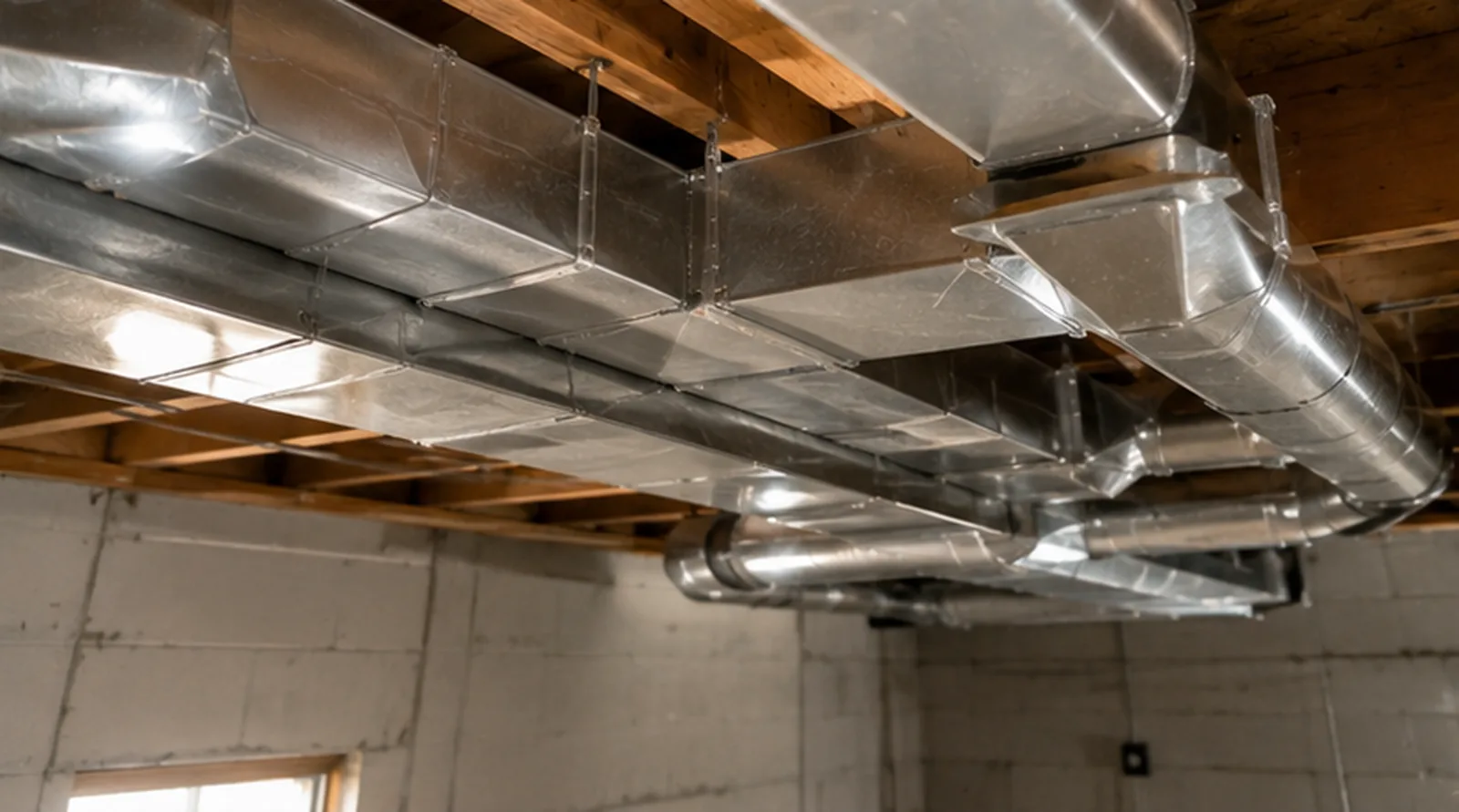
Crawlspace framing and ductwork inspected for moisture in Hutchinson, MN
⬥ Hutchinson, MN · Moisture & Basement

A wet crawlspace: the problem you can't see — but can smell.

Out of sight under the floor, a damp crawlspace quietly rots framing, feeds mold, and pushes humidity up into the house. We go in and document what's happening down there.

★★★★★ 5-star rated✓ Same-day online scheduling✓ Walk-through included
What It Is

What wet crawlspace actually is.

A crawlspace is the shallow space between the ground and the first floor on homes without a full basement. A wet crawlspace is one with standing water, saturated soil, or chronic high humidity. Because it's dark, enclosed, and rarely visited, moisture there persists — and a large share of the air in the house above is drawn up from this space through the stack effect, carrying its dampness and odors with it.

Why it matters. Crawlspaces are where serious moisture problems hide. The damage — rotted joists, mold on the subfloor, rusted ducts — often progresses for years before anyone notices, and the musty air it sends upstairs affects the whole home. On a Hutchinson inspection, physically entering and assessing the crawlspace catches problems that a walk-through of the living space never would.

Get Your Free Quote
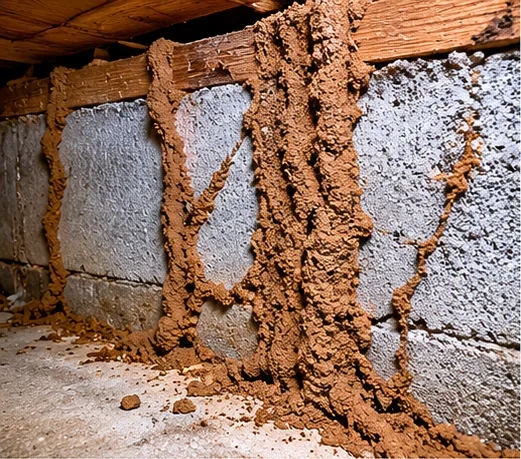
Efflorescence and moisture staining on crawlspace block wall
Free 2-Minute Quote

Concerned about this? Get it inspected.

This finding is covered by our standard 120-point inspection. Get your free quote, choose a time, and add thermal imaging or mold testing to map what's hidden.

Signs & Symptoms

What it looks like.

The warning signs we document and that you can watch for.

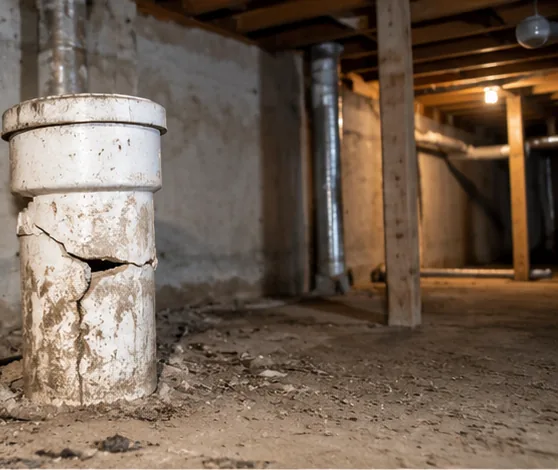
Cracked PVC cleanout pipe in dirt-floor crawlspace
Signs

What to look for

Standing water or mud on the crawlspace floor, a damp dirt floor with no vapor barrier (or a torn one), condensation and rust on ducts and pipes, mold or white efflorescence on the foundation, dark staining and softness in the floor joists and subfloor, sagging or bouncy floors above, a persistent musty smell in the house, and high humidity readings. Insulation that's fallen or matted is another tell.

Floor joists and subfloor checked for moisture damage in a Hutchinson crawlspace
Causes

Why it happens

Groundwater intrusion from a high water table or poor drainage, surface water entering from negative grading and downspouts at the foundation, missing or inadequate vapor barrier letting soil moisture evaporate into the space, plumbing leaks, and humid summer air condensing on cool surfaces in a vented crawlspace. In our climate, both summer humidity and spring melt drive crawlspace moisture.

Crawlspace framing and ductwork inspected for moisture in Hutchinson, MN
Risk

If it's ignored

Sustained moisture rots structural wood — joists, beams, and subfloor — weakening the floor and inviting wood-destroying insects. It feeds mold that contaminates the home's air, corrodes ducts and metal, ruins insulation, and raises indoor humidity and radon entry. Because it's hidden, the structural damage can become extensive and costly before it's discovered. The crawlspace's air is the home's air.

Repair Options

How it's addressed.

Control water first: correct grading and downspouts, address groundwater with drainage or a sump. Install or repair a continuous vapor barrier over the soil. Increasingly the recommended approach in cold climates is to seal (encapsulate) the crawlspace with a heavy liner and condition or dehumidify it, rather than vent humid outdoor air in. Damaged framing is repaired and treated. We document the moisture, the structural condition, and recommend mold testing where indicated.

This is one of the findings covered by the full 120-point home inspection and documented under our crawlspace inspection. Related issues worth reading: Basement seepage Basement mold Poor grading & drainage Sump pump failure.

Floor joists and subfloor checked for moisture damage in a Hutchinson crawlspace
Common Variations

What turns up around Hutchinson.

Standing water

Water or saturated soil on the crawlspace floor after melt or rain.

No vapor barrier

Bare or torn soil cover letting ground moisture evaporate into the space.

Rotted framing

Dark, soft joists and subfloor weakened by sustained dampness.

Duct condensation

Sweating, rusting ducts and pipes in a humid crawlspace.

Mold growth

Mold on the subfloor and framing fed by trapped moisture.

Musty air upstairs

Crawlspace humidity and odor drawn up into the living space.

How We Inspect It

Four steps to a clear answer.

01

Enter and inspect

Where access allows, we enter the crawlspace rather than just glancing in.

02

Check structure

We probe joists and subfloor for rot, sag, and insect damage.

03

Read moisture

We note standing water, vapor-barrier condition, and humidity.

04

Document & advise

Findings are recorded and we recommend mold testing where warranted.

Minnesota Notes

Why this matters here.

Many older Hutchinson and rural McLeod County homes sit over crawlspaces, often vented and with thin or missing vapor barriers. Vented crawlspaces struggle in our humid summers, when outdoor air condenses on cool surfaces below. We always enter the crawlspace when access allows, because the worst moisture and rot we find are frequently down there, out of the homeowner's sight.

Book Your Inspection
Crawlspace framing and ductwork inspected for moisture in Hutchinson, MN
FAQ

Wet Crawlspace questions, answered.

Why does a wet crawlspace matter if I never go down there?
Because the air in your home is partly drawn up from the crawlspace through the stack effect. Its moisture, mold, and odors rise into the living space, and its dampness rots the floor structure you live on.
Should a crawlspace be vented or sealed?
In cold, humid climates like ours, sealing (encapsulating) the crawlspace with a heavy liner and controlling humidity often outperforms venting, which can let humid summer air in to condense on cool surfaces. The right approach depends on the specific home.
What causes a wet crawlspace in Hutchinson?
Groundwater and a high water table, poor grading and downspouts, a missing or torn vapor barrier, plumbing leaks, and humid air condensing in a vented space — with spring melt and summer humidity as seasonal drivers.
Can a wet crawlspace cause mold in my house?
Yes. Chronic crawlspace moisture is a common source of mold and musty odors that affect the whole home. Where we find it, we recommend mold testing.
Do you actually go into the crawlspace?
When access and conditions allow, yes — we enter to inspect the structure and moisture directly, because the most important findings are often only visible from inside.

Related defects & inspections

Explore related findings in the Defect Library: Basement seepage Basement mold Poor grading & drainage Sump pump failure. See how we document it in the crawlspace inspection and the full 120-point home inspection, and add mold testing or thermal imaging when hidden moisture is suspected. We serve Hutchinson and McLeod County.

Get a straight answer about your home.

Get Your Free Instant Quote
📞 Call Free Instant Quote