✓ InterNACHI® Master Certified ✓ 120-Point Inspection ✓ Reports in 24 Hours
📞 (320) 674-7553
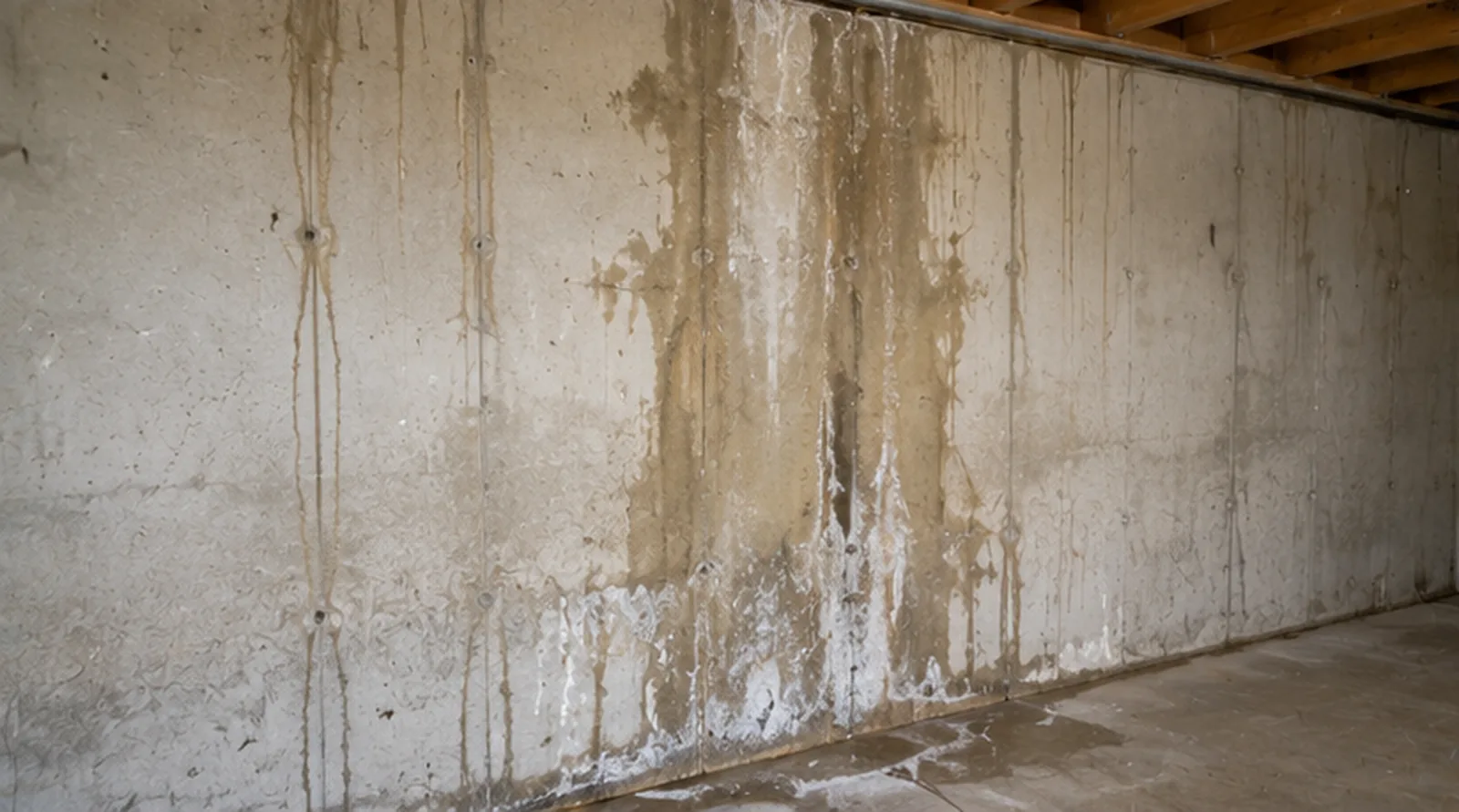
Water staining and seepage on a basement wall in Hutchinson, MN
⬥ Hutchinson, MN · Moisture & Basement

Basement seepage: where the water actually gets in.

A wet basement always has a path. We find where the water enters — the joint, the crack, the window well — and trace it back to the source outside.

★★★★★ 5-star rated✓ Same-day online scheduling✓ Walk-through included
What It Is

What basement seepage actually is.

Seepage is water entering the basement through the foundation rather than from a plumbing leak. It comes in where the structure is weakest against water pressure: the cove joint where the wall meets the floor, cracks in the wall or slab, pipe and rod-hole penetrations, and over or around window wells. It's usually driven by water in the soil outside finding the easiest path in.

Why it matters. A wet basement is one of the most common — and most preventable — problems we document in McLeod County. Seepage damages finishes, feeds mold, and signals drainage problems that also stress the foundation. For a buyer, knowing whether a basement leaks, where, and why is essential, because the smell of fresh paint can hide a basement that floods every spring.

Get Your Free Quote
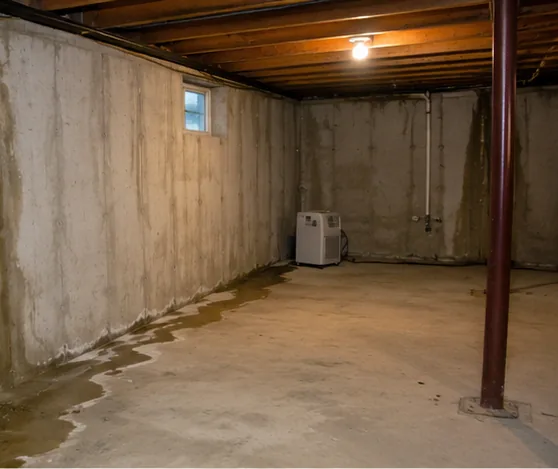
Water seepage across unfinished basement concrete floor
Free 2-Minute Quote

Concerned about this? Get it inspected.

This finding is covered by our standard 120-point inspection. Get your free quote, choose a time, and add thermal imaging or mold testing to map what's hidden.

Signs & Symptoms

What it looks like.

The warning signs we document and that you can watch for.

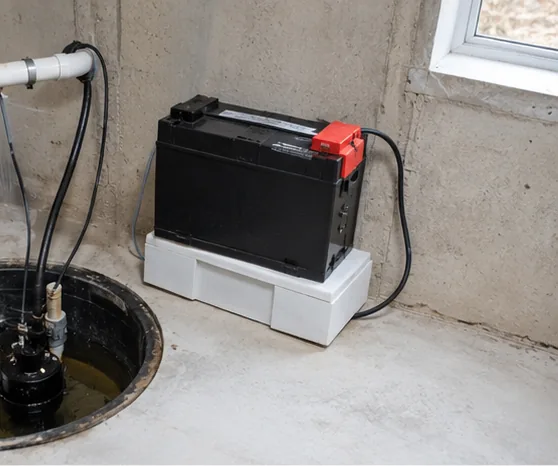
Sump pump pit with battery backup system in basement
Signs

What to look for

Damp or wet areas along the wall-floor joint, water trickling from cracks, staining and efflorescence that mark old water lines, pooling on the slab, a musty smell, rusted appliance feet or water marks on stored items, and active drips around window wells after rain or melt. A dehumidifier running constantly is a quiet sign of a chronically damp basement.

Basement sump pit and floor checked for seepage in Hutchinson, MN
Causes

Why it happens

Water in the soil outside under pressure: a high water table, hydrostatic pressure after heavy rain or snowmelt, poor grading that slopes toward the house, downspouts discharging at the foundation, clogged or missing drain tile, and window wells without drainage. Cracks and the cove joint give that water a route in. In spring, frozen ground that can't absorb melt sends it straight at the foundation.

Water staining and seepage on a basement wall in Hutchinson, MN
Risk

If it's ignored

Chronic seepage ruins flooring, drywall, and stored belongings, and the persistent dampness is the leading cause of basement mold. It can raise indoor humidity and radon entry, and the same water pressure behind seepage contributes to cracking and bowing of the wall. Ignored, a minor seasonal damp spot can become recurring flooding and a finished-basement rebuild.

Repair Options

How it's addressed.

Start outside and work in: regrade so soil slopes away, extend downspouts well past the foundation, and clear window-well drainage — these solve many seepage problems. Persistent water is managed with interior or exterior drain tile feeding a sump pump, crack injection for specific leaks, and addressing the water table. A dry basement almost always comes from controlling exterior water first; we document the entry points and likely sources.

This is one of the findings covered by the full 120-point home inspection and documented under our moisture inspection. Related issues worth reading: Sump pump failure Poor grading & drainage Efflorescence Basement mold.

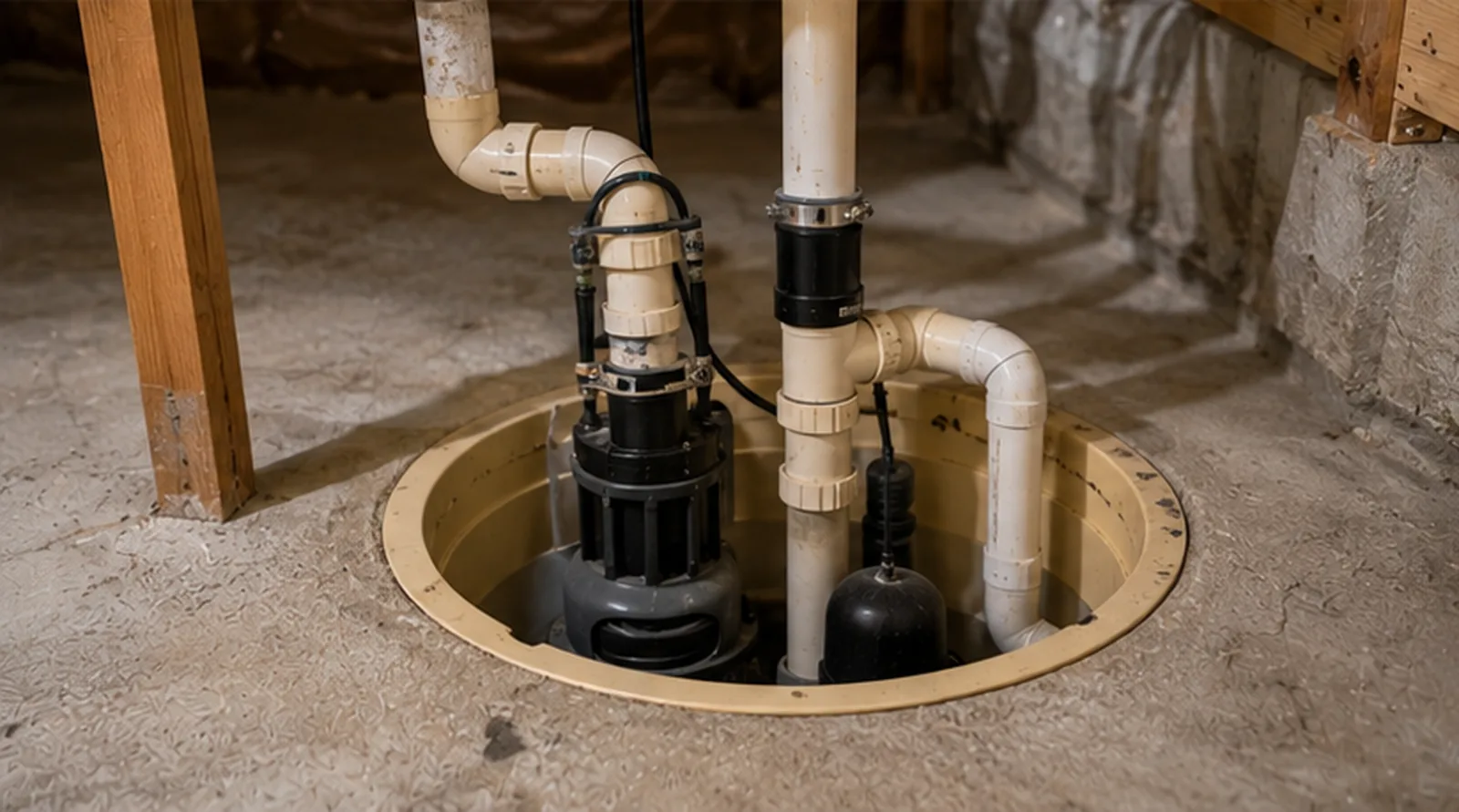
Basement sump pit and floor checked for seepage in Hutchinson, MN
Common Variations

What turns up around Hutchinson.

Cove-joint leak

Water entering where the wall meets the floor, the most common path.

Crack seepage

Water trickling through wall or slab cracks under soil pressure.

Window wells

Water pooling in and overflowing wells without drainage.

Snowmelt loading

Spring melt over frozen ground ponding against the foundation.

Hidden behind finish

Seepage concealed by basement drywall, flagged by moisture and odor.

Chronic dampness

A musty, humid basement that signals ongoing low-level seepage.

How We Inspect It

Four steps to a clear answer.

01

Inspect entry points

We check the cove joint, cracks, penetrations, and window wells for water.

02

Read the history

Staining, efflorescence, and rust marks reveal past and recurring leaks.

03

Look outside

We trace grading and downspouts that drive water at the foundation.

04

Document & advise

Entry points and sources are recorded; we recommend mold testing if needed.

Minnesota Notes

Why this matters here.

Spring snowmelt over still-frozen ground is the classic Hutchinson seepage scenario — the soil can't absorb the water, so it ponds against the foundation and finds a way in. We pay close attention to basements after a wet spring, and to homes with finished lower levels where the entry point may be hidden behind the drywall.

Book Your Inspection
Water staining and seepage on a basement wall in Hutchinson, MN
FAQ

Basement Seepage questions, answered.

Why does my Hutchinson basement leak in spring?
Spring snowmelt runs over ground that's still frozen and can't absorb it, so the water ponds against the foundation and seeps in through the cove joint, cracks, and window wells. It's the most common seepage scenario we see.
Where does basement water usually come in?
Most often at the cove joint where the wall meets the floor, then through wall and slab cracks, pipe penetrations, and window wells. We inspect each of these entry points.
Can basement seepage be fixed without digging?
Often the first fixes are simple and exterior — regrading, extending downspouts, and clearing window-well drainage. Persistent water may need interior drain tile and a sump pump or, in some cases, exterior waterproofing.
Does seepage cause mold?
It can. Chronic dampness from seepage is the leading cause of basement mold. Where we find persistent moisture or a musty smell, we recommend mold testing along with fixing the water source.
Should I worry about a basement that smells musty?
A musty smell often means chronic low-level moisture even if you don't see standing water. We investigate the source and recommend mold testing where appropriate.

Related defects & inspections

Explore related findings in the Defect Library: Sump pump failure Poor grading & drainage Efflorescence Basement mold. See how we document it in the moisture inspection and the full 120-point home inspection, and add mold testing or thermal imaging when hidden moisture is suspected. We serve Hutchinson and McLeod County.

Get a straight answer about your home.

Get Your Free Instant Quote
📞 Call Free Instant Quote