✓ InterNACHI® Master Certified ✓ 120-Point Inspection ✓ Reports in 24 Hours
📞 (320) 674-7553
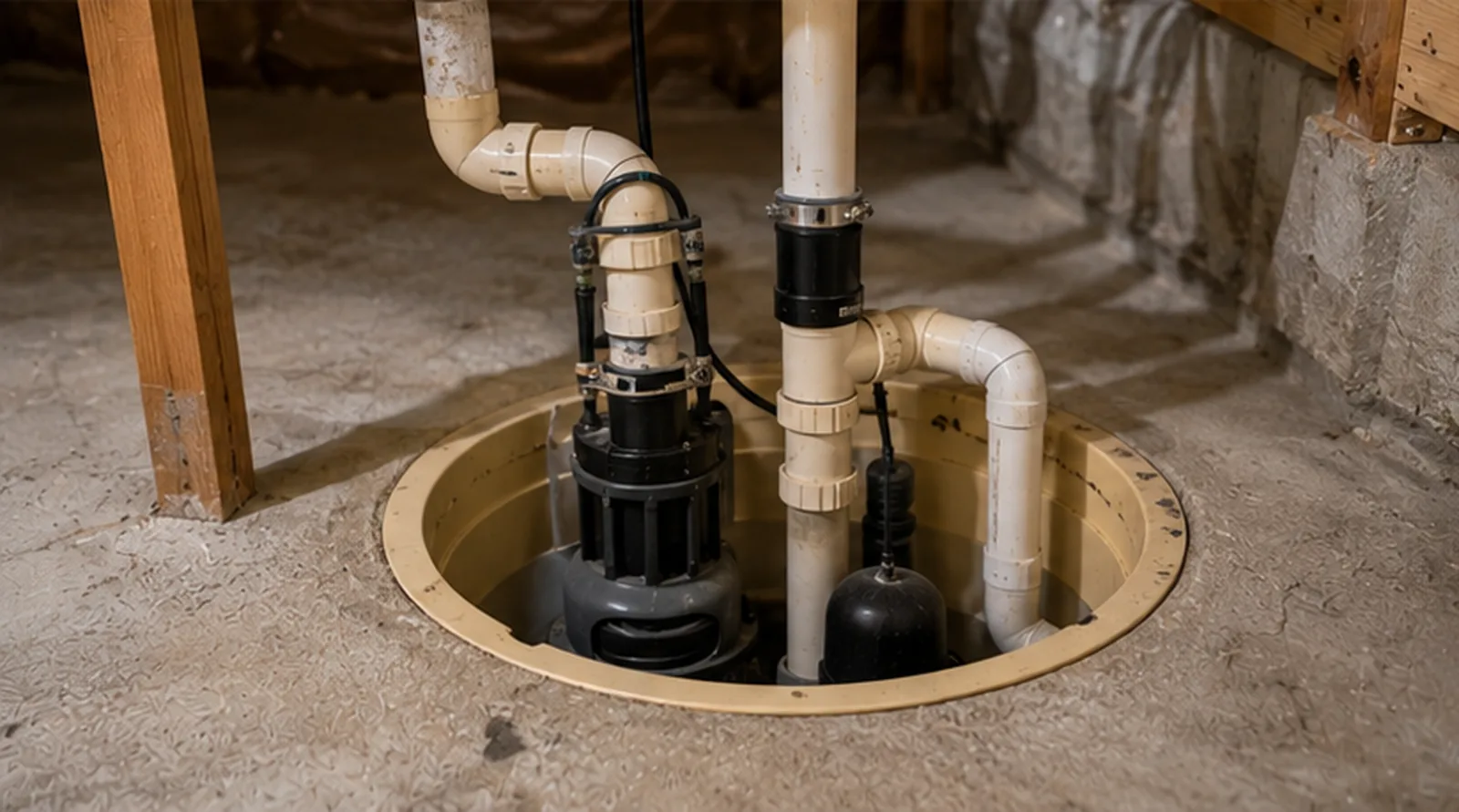
Sump pump and pit inspected in a Hutchinson, MN basement
⬥ Hutchinson, MN · Moisture & Basement

Sump pump failure: the one device standing between you and a flood.

When the sump pump quits — and they do — the water it was holding back fills the basement. We test it, check for a backup, and look at what happens when the power goes out.

★★★★★ 5-star rated✓ Same-day online scheduling✓ Walk-through included
What It Is

What sump pump failure actually is.

A sump pump sits in a pit at the low point of a basement and pumps out groundwater that collects there before it can flood the floor. Failure means the pump no longer does that — because it's dead, stuck, undersized, mis-piped, or because the power that runs it has gone out. In a home that depends on a sump (and many in our area do), a failed pump is a flood waiting for the next wet night.

Why it matters. The sump pump is often the single point of failure between a dry basement and an expensive flood. It's also commonly neglected — homeowners forget it until it stops. On a Hutchinson inspection, testing the pump and checking for a backup is one of the highest-value things we do, because spring melt and summer storms regularly put these pumps to the test.

Get Your Free Quote
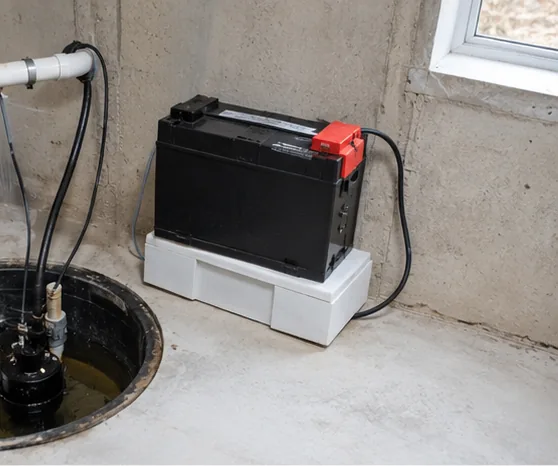
Sump pump pit with battery backup system in basement
Free 2-Minute Quote

Concerned about this? Get it inspected.

This finding is covered by our standard 120-point inspection. Get your free quote, choose a time, and add thermal imaging or mold testing to map what's hidden.

Signs & Symptoms

What it looks like.

The warning signs we document and that you can watch for.

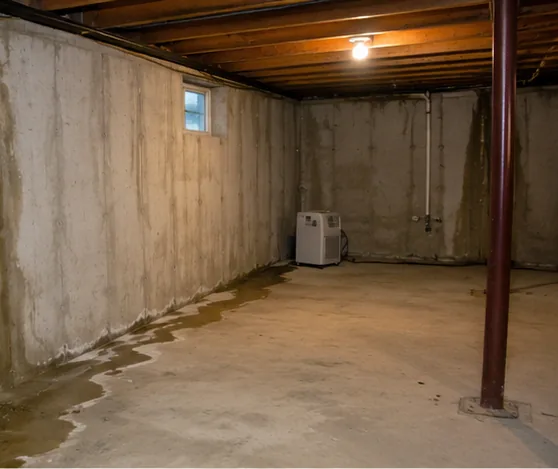
Water seepage across unfinished basement concrete floor
Signs

What to look for

A pump that doesn't kick on when the pit fills, runs constantly without lowering the water, makes grinding or rattling noises, cycles rapidly, or trips its breaker. Other red flags: a missing or non-functioning check valve (water flows back into the pit), a discharge line that's frozen or dumps right at the foundation, no battery backup, and water stains in the basement showing past overflows.
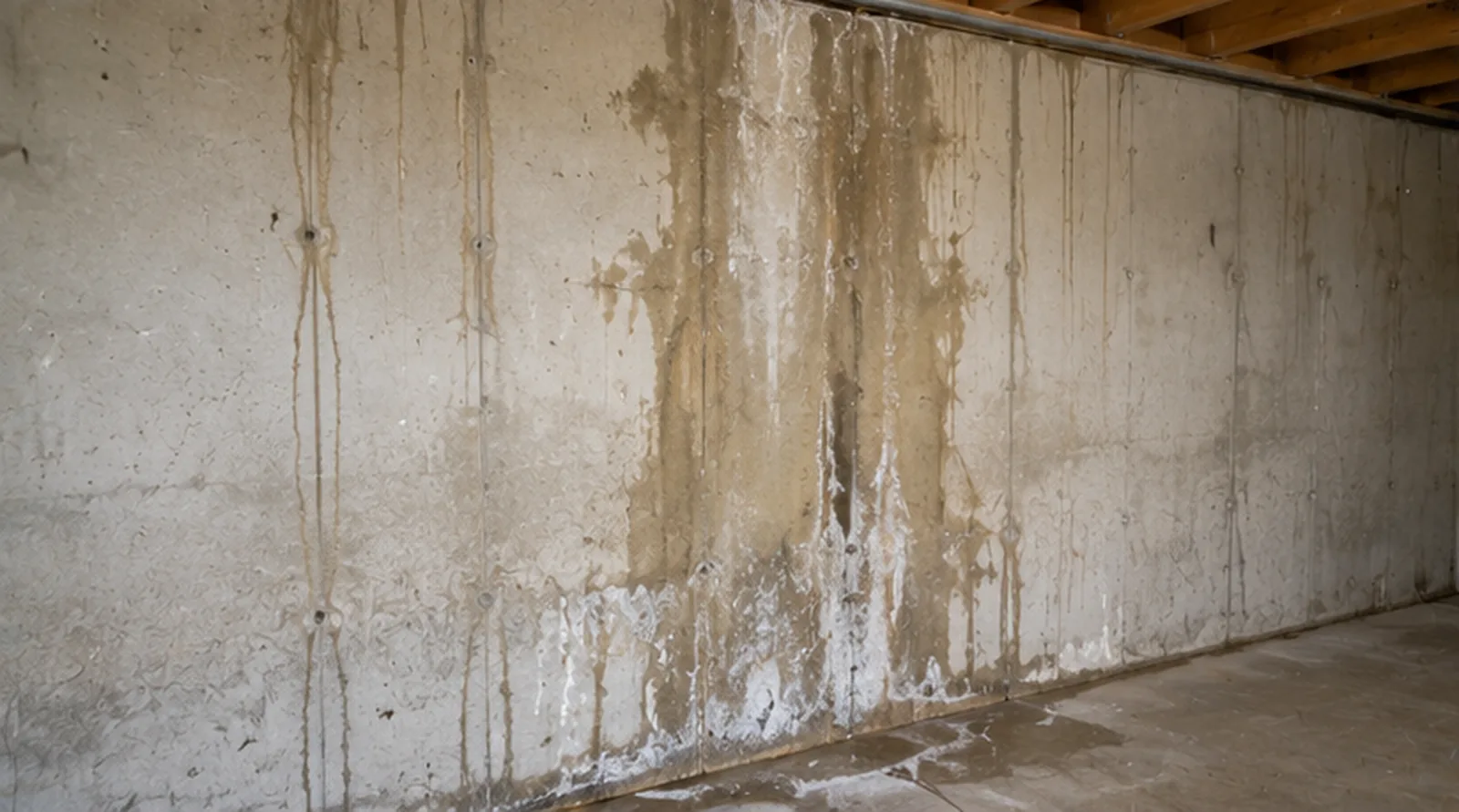
Basement wall and floor checked for water near the sump pit in Hutchinson, MN
Causes

Why it happens

Pumps fail from worn-out motors and bearings (they have a limited life), stuck or broken float switches, debris clogging the impeller or pit, an undersized pump that can't keep up with inflow, a failed check valve, frozen or clogged discharge lines, and — most commonly during big storms — power outages that knock out a pump with no battery backup. Improper installation and discharge that recirculates water back to the foundation also cause repeat failures.

Sump pump and pit inspected in a Hutchinson, MN basement
Risk

If it's ignored

A failed sump pump during a wet spell means a flooded basement: ruined flooring and drywall, soaked belongings, mold, and damaged mechanicals. Because failures often coincide with the storms and snowmelt that cause power outages, the pump and the power can fail at the same moment. The cost of a flood dwarfs the cost of a backup system, which is why this finding carries weight.

Repair Options

How it's addressed.

Service or replace an aging pump on a schedule rather than waiting for failure. Add a battery backup pump (or a water-powered backup) so a power outage doesn't mean a flood, and consider a high-water alarm. Ensure a working check valve, route the discharge well away from the foundation with freeze protection, and keep the pit clear of debris. We test the pump, note the absence of a backup, and flag discharge problems.

This is one of the findings covered by the full 120-point home inspection and documented under our moisture inspection. Related issues worth reading: Basement seepage Poor grading & drainage Wet crawlspace Basement mold.

Basement wall and floor checked for water near the sump pit in Hutchinson, MN
Common Variations

What turns up around Hutchinson.

Dead motor

An aged pump that won't start or has burned out — a flood risk on the next storm.

Stuck float

A float switch jammed so the pump never turns on, or never shuts off.

No backup

A sump with no battery backup that fails the moment the power does.

Bad check valve

A missing or failed check valve letting pumped water run back into the pit.

Frozen discharge

A discharge line that freezes or clogs, backing water into the basement.

Discharge at wall

Water pumped out only to drain right back against the foundation.

How We Inspect It

Four steps to a clear answer.

01

Test the pump

We fill or trigger the pit to confirm the pump starts and clears the water.

02

Check the float

We verify the float switch operates freely and shuts the pump off.

03

Inspect the line

We trace the discharge for a check valve, freeze risk, and proper distance.

04

Flag the backup

We note whether a battery backup exists and document any deficiencies.

Minnesota Notes

Why this matters here.

In Minnesota, the worst sump-pump failures happen exactly when you need the pump most: a heavy spring melt or summer thunderstorm that also takes out the power. A battery backup is close to essential for any Hutchinson basement that relies on a sump. We also check that the discharge isn't freezing in winter, a common local failure.

Book Your Inspection
Sump pump and pit inspected in a Hutchinson, MN basement
FAQ

Sump Pump Failure questions, answered.

Why do sump pumps fail?
Worn-out motors, stuck float switches, clogged impellers or pits, undersized pumps, failed check valves, frozen discharge lines, and — most often during storms — power outages with no battery backup.
Do I need a battery backup sump pump in Hutchinson?
For a basement that relies on a sump, it's close to essential. The heavy snowmelt and storms that overwhelm a pump are the same events that cause power outages, so a primary pump alone can leave you flooded.
Do you test the sump pump during an inspection?
Yes. We trigger the pump to confirm it runs and clears water, check the float switch, inspect the discharge line and check valve, and note whether a backup exists.
How long does a sump pump last?
Most pumps last several years to about a decade depending on use and quality. Because failure tends to strike during the worst weather, replacing an aging pump proactively is wise.
Where should the sump discharge go?
Well away from the foundation — not right back against the wall, where it recirculates and feeds seepage. In Minnesota the line also needs freeze protection so it doesn't back up in winter.

Related defects & inspections

Explore related findings in the Defect Library: Basement seepage Poor grading & drainage Wet crawlspace Basement mold. See how we document it in the moisture inspection and the full 120-point home inspection, and add mold testing or thermal imaging when hidden moisture is suspected. We serve Hutchinson and McLeod County.

Get a straight answer about your home.

Get Your Free Instant Quote
📞 Call Free Instant Quote