Finished Spaces
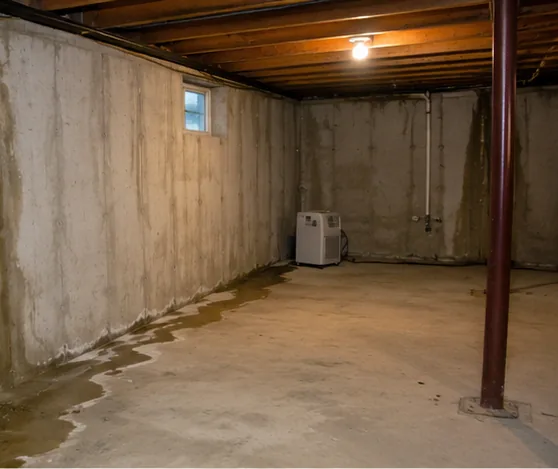
Hidden basement leaks
Finished basements can hide water behind paneling and carpet. We watch for staining, soft spots, and musty odors that betray it.
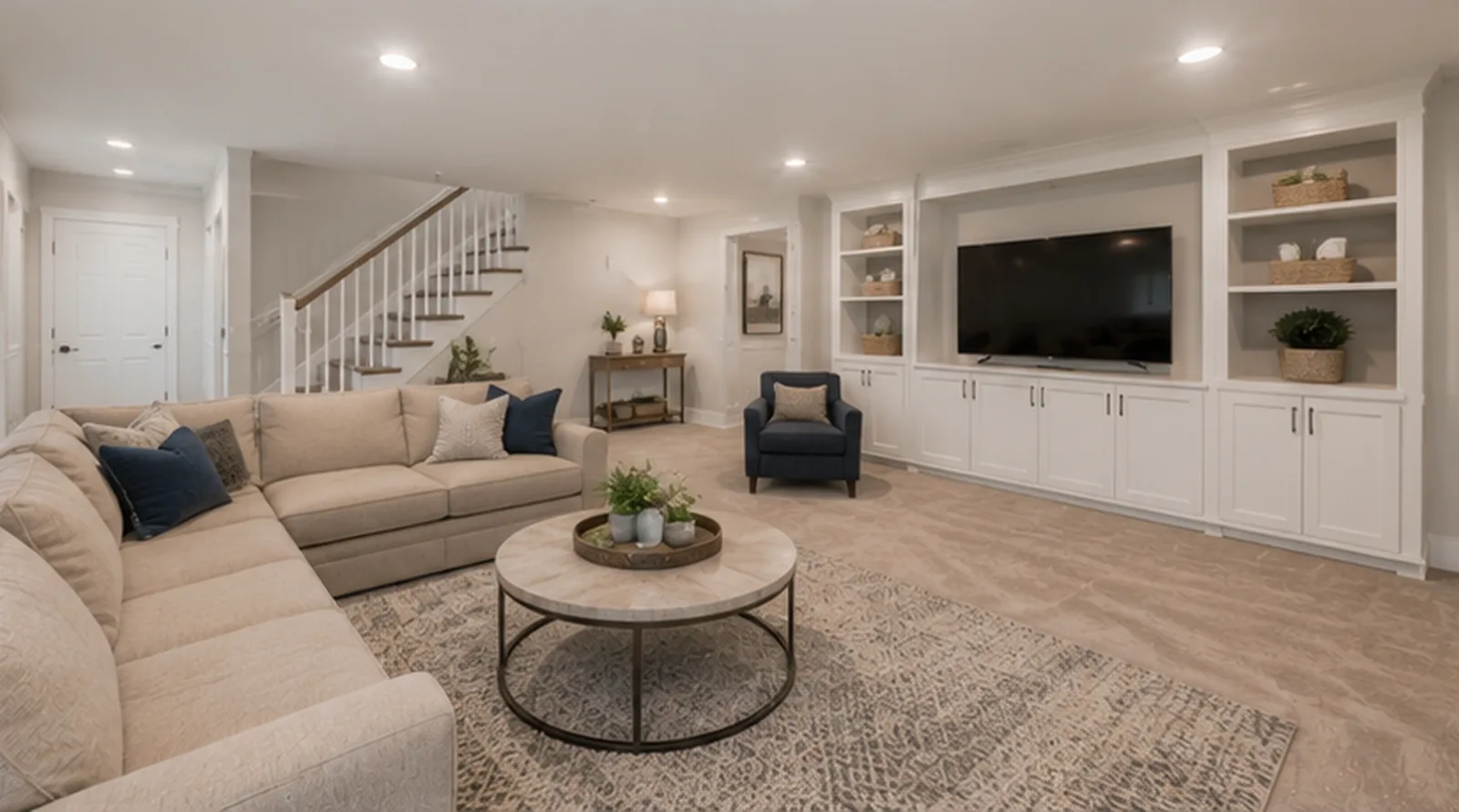
Walls, ceilings, floors, windows, doors, and stairs tell the story of what's happening behind the finishes — a stain, a slope, a crack, a sticking door. We read those signs and trace them to their source.
Answer a few quick questions about the home, get your free quote now, and pick a time. A room-by-room interior walk is part of every inspection.
The interior inspection moves room by room through walls, ceilings, and floors, plus windows, doors, stairs, and railings. We test a representative sample of outlets and switches, check for visible safety concerns, and note the presence of smoke and carbon monoxide detectors. The goal isn't cosmetics — it's the stains, slopes, and cracks that reveal what's happening inside the structure.
It is part of the pillar 120-point home inspection and cross-references moisture inspection and crawlspace inspection — because a ceiling stain or a sloping floor almost always traces to something out of sight.
Get Your Free Quote →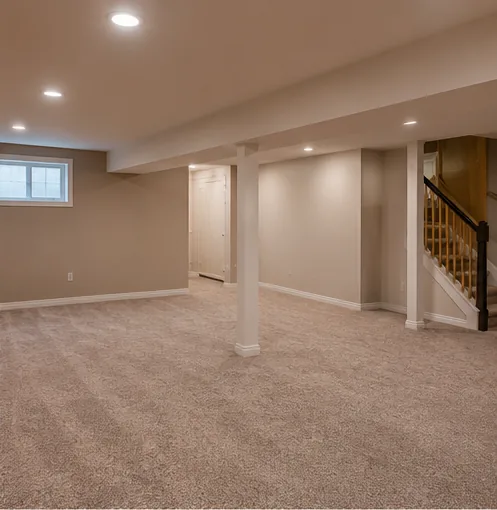
Big temperature swings expand and contract framing, drywall, and trim, while moisture from below and ice dams above show up as stains and movement on the inside. Reading those interior signs is how we connect a symptom to its real cause.
Finished basements can hide water behind paneling and carpet. We watch for staining, soft spots, and musty odors that betray it.
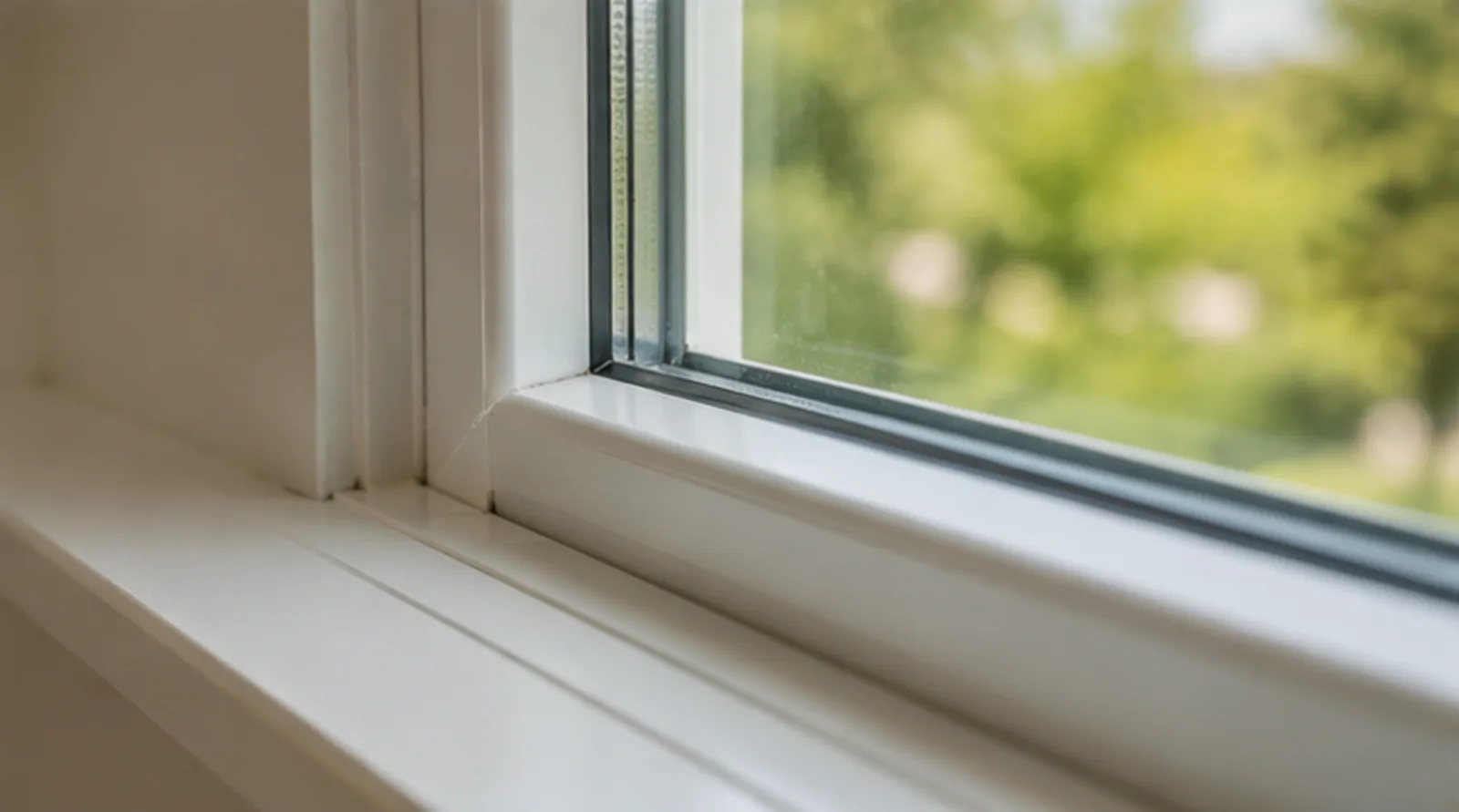
Doors that bind and drafty windows can point to settlement or failed seals. We operate them and note what's behind the symptom.
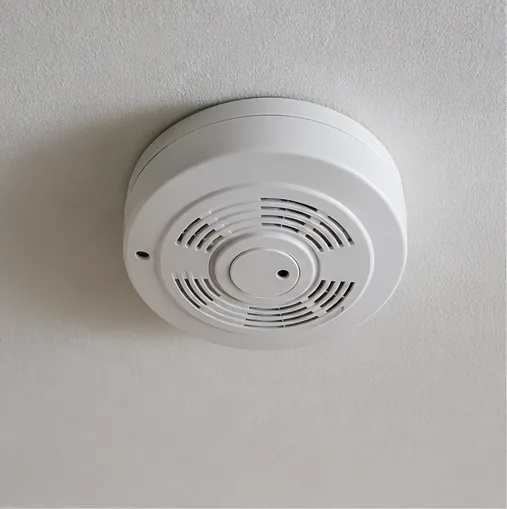
Loose railings, steep stairs, and missing CO or smoke detectors are real hazards. We flag each one clearly for your family.
Brown rings or fresh stains overhead that trace back to roof leaks, ice dams, or plumbing above.
Stair-step or diagonal cracking at corners and openings that can indicate settlement or structural movement.
Out-of-level or springy floors that point to framing issues, undersized joists, or foundation movement below.
Units that bind or won't latch, often a sign the home has shifted or that humidity has swollen the frames.
Wobbly handrails, low guards, and uneven treads — common trip-and-fall hazards in older homes.
Absent or poorly placed carbon monoxide and smoke detectors, a serious safety gap in homes with gas appliances.
We inspect walls, ceilings, and floors in every accessible room for stains, cracks, and signs of movement.
We operate a representative sample, checking for binding, failed hardware, drafts, and fogged glass.
We test stairs, railings, and guards, and confirm the placement of smoke and carbon monoxide detectors.
We tie interior symptoms back to their likely source and deliver a clear, photo-rich report within 24 hours.
Interior findings connect to moisture inspection, crawlspace inspection, and exterior inspection, and they're part of the full 120-point home inspection. When interior clues point deeper, see ceiling stains and drywall cracks. We serve Hutchinson and the surrounding McLeod County communities.