Sign
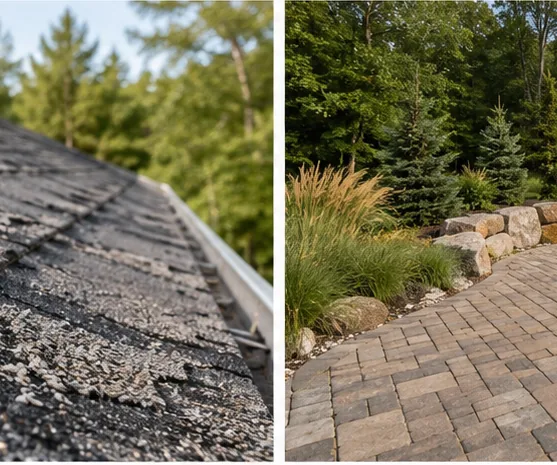
Bruises & granule loss
Random soft dimples with exposed dark asphalt where granules were knocked off — the signature of hail.
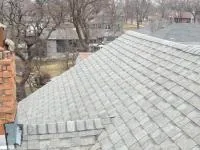
Minnesota sits in hail country, and a single storm can quietly shorten a roof's life by years. Here's what hail damage looks like up close, the risks it creates, and how we document it.
We document hail bruising, granule loss, and dented soft metals on every 120-point inspection so storm damage doesn't stay hidden. Get a free quote and book online.
Hail damage happens when ice stones strike the roof hard enough to knock granules loose and bruise or fracture the asphalt mat beneath. The granules are the shingle's protective layer, so once they're gone, UV and freeze-thaw attack the exposed asphalt and the bruise becomes a future crack — and eventually a leak. The damage is scattered and random, matching how hail falls.
South-central Minnesota and the Hutchinson area see severe summer storms that bring damaging hail. Often the roof looks fine from the ground while the shingles are quietly compromised, which is why hail damage pairs so closely with shingle aging and wind damage. We document it during the roof inspection in the full 120-point inspection.
Get Your Free Quote →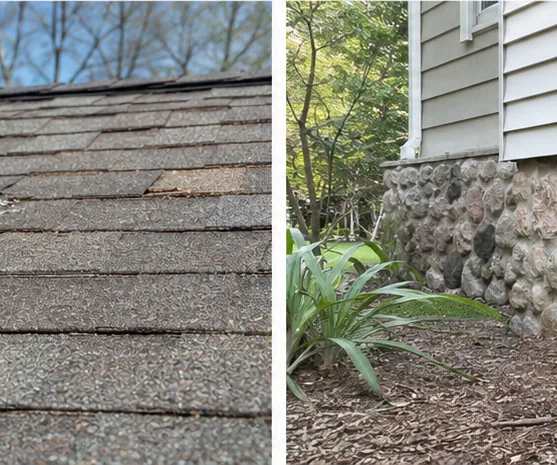
The shingles tell one story; the metal accessories confirm it.
Random soft dimples with exposed dark asphalt where granules were knocked off — the signature of hail.
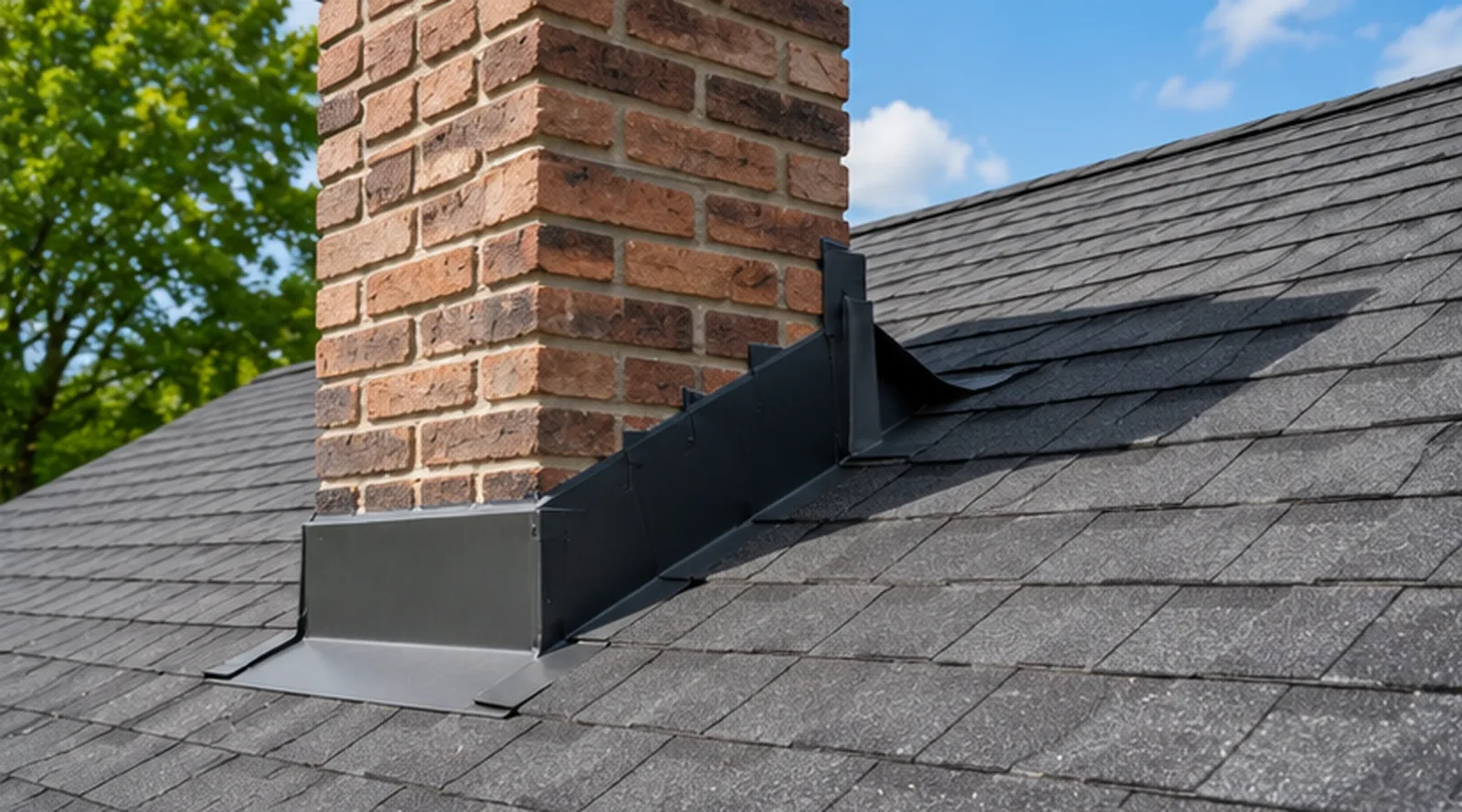
Dents on vents, flashing, gutters, and the AC condenser confirm a hail event even when shingle damage is subtle.
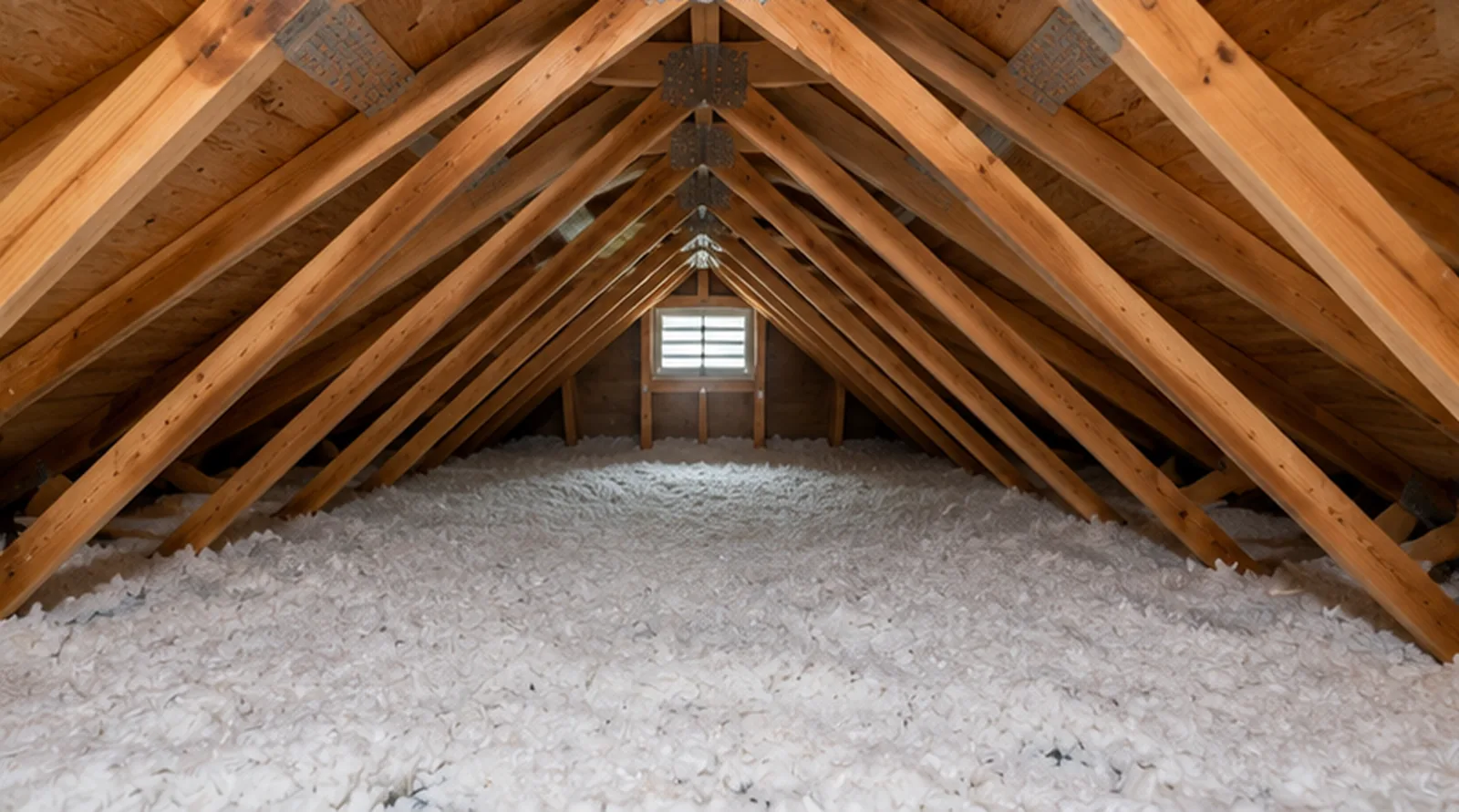
Bruised mats crack open over the next freeze-thaw cycles, turning invisible hail hits into attic leaks months later.
Lost granules accelerate aging, cutting years off the roof even if it doesn't leak right away.
Bruises crack the asphalt mat, creating future entry points for water.
Cracks open in winter and show up as roof leak signs inside the home.
Dented vents, flashing, and gutters that no longer shed water properly.
Bent gutters and downspouts that misdirect water toward the foundation.
Documented damage helps you and your insurer act before claim windows close — we report, not file.
We look for dents on vents, flashing, gutters, and the AC condenser as corroborating evidence.
We look for random bruising and exposed asphalt, distinct from the uniform pattern of normal wear.
We look for any moisture trails from bruises that have already fractured and begun to leak.
Severity and density are photographed and prioritized in your 24-hour report for a roofer or insurer.
Storm damage clusters with wind damage, asphalt shingle damage, roof leak signs, and chimney flashing leaks. See how we document the roof in our roof inspection and attic inspection, or browse the full defect library and complete home inspection. We serve Hutchinson and McLeod County.