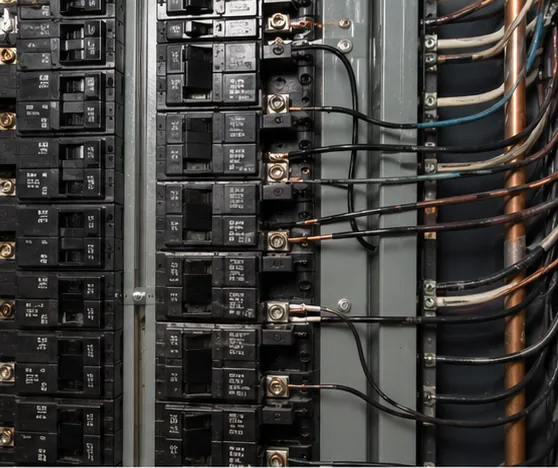
Wire
"AL" at the panel
Cable jackets stamped AL or ALUMINUM confirm solid aluminum branch circuits feeding the home.
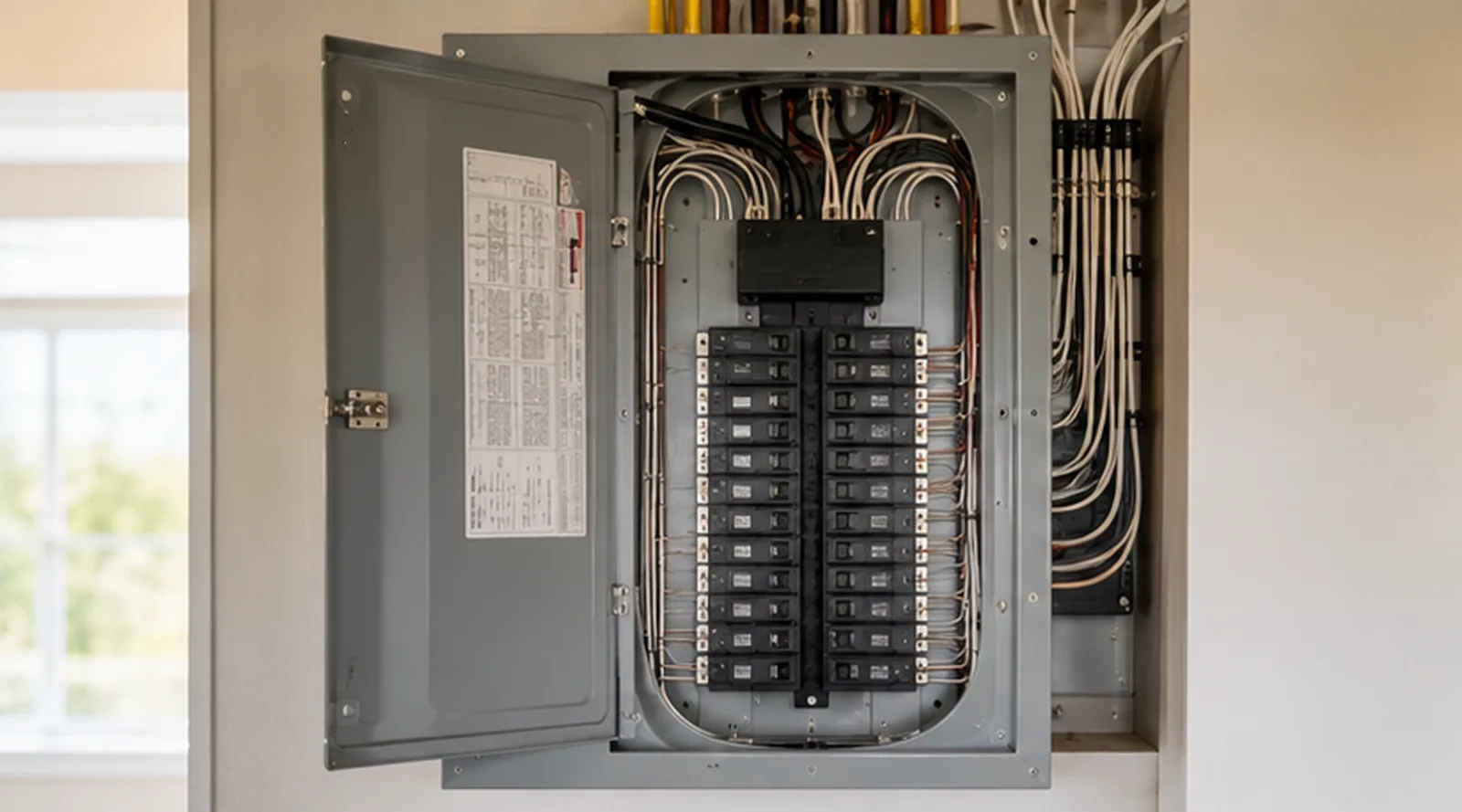
Homes built around Hutchinson between 1965 and 1973 were often wired with solid aluminum branch circuits. The wire is fine; the connections are the problem. We identify it and flag where it needs an electrician.
Every standard electrical inspection covers this. Get your free instant quote, pick a time, and we'll document exactly what's there in a photo-rich report within 24 hours.
From the mid-1960s to the early 1970s, a copper shortage pushed builders toward solid aluminum wire for branch circuits — the outlets, switches, and lights, not just the large feeders. Aluminum expands and contracts more than copper, oxidizes differently, and is softer, so it tends to loosen, corrode, and overheat where it connects to devices and splices built for copper. Many homes in Hutchinson's late-'60s and early-'70s subdivisions still have this original aluminum branch wiring in service.
It's documented as part of the electrical inspection, one of the eight systems in the full 120-point inspection. Browse the full defect library to understand the other issues we catch in electrical systems.
Get Your Free Quote →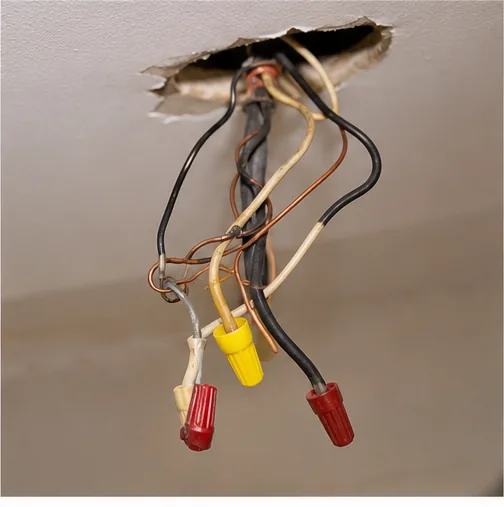
Hutchinson saw real residential growth during exactly the window aluminum branch wiring was being installed nationwide. That means a recognizable band of local homes — split-levels, ramblers, and ranch houses from that era — can carry aluminum circuits behind the walls. The wire itself isn't defective; decades of seasonal expansion at connections in Minnesota's temperature swings are what loosen and overheat the terminations.
Cable jackets stamped AL or ALUMINUM confirm solid aluminum branch circuits feeding the home.
Discolored or warm outlet and switch plates point to overheating aluminum terminations.
Aluminum on devices not marked CO/ALR is a high-resistance connection waiting to fail.
The danger isn't the wire running through the wall — it's the terminations. Loose, oxidized aluminum connections develop high resistance, overheat, and can char the device and surrounding material, which is why aluminum branch wiring is associated with an elevated risk of connection fires. Because the failure happens at outlets, switches, and junctions hidden behind cover plates, it's easy to miss until something scorches.
Aluminum branch wiring usually does not need a full rewire. Accepted remedies by a licensed electrician include COPALUM crimp connectors or AlumiConn connectors at every termination, or replacing devices with ones rated CO/ALR. The right approach depends on the home, so we document where aluminum is present and recommend a licensed electrician scope the connections — we don't quote the work.
Aluminum that has crept loose under screw terminals, raising resistance and heat.
A resistive oxide layer on aluminum that heats up under normal load.
Standard copper-only outlets and switches used on aluminum branch circuits.
Splices made without the corrosion-inhibiting compound aluminum requires.
Discolored, melted, or charred outlets and switches from overheated connections.
Aluminum tied to copper without a listed connector rated for dissimilar metals.
We read cable markings and trace where solid aluminum branch circuits enter the panel.
Representative outlets and switches are checked for heat, discoloration, and proper CO/ALR rating.
Thermal imaging, if added, can reveal overheating connections behind cover plates.
Aluminum branch wiring is flagged as a safety item for a licensed electrician to remediate.
Minnesota's wide seasonal temperature swing accelerates the expansion-and-contraction cycle that loosens aluminum terminations, so the era-specific Hutchinson homes that carry this wiring tend to show connection problems sooner. We pay special attention to late-1960s and early-1970s ramblers and split-levels across McLeod County, where this wiring is most common.
Get Your Free Quote →Explore more in the Defect Library, or read about related issues: Knob & tube wiring, Double-tapped breakers, Open grounds, Federal Pacific panels. See how this fits into our electrical inspection and the full 120-point home inspection. We serve Hutchinson and McLeod County.