
Brand
Stab-Lok labeling
"Federal Pacific," "FPE," or "Stab-Lok" markings confirm a panel with a known trip-failure history.
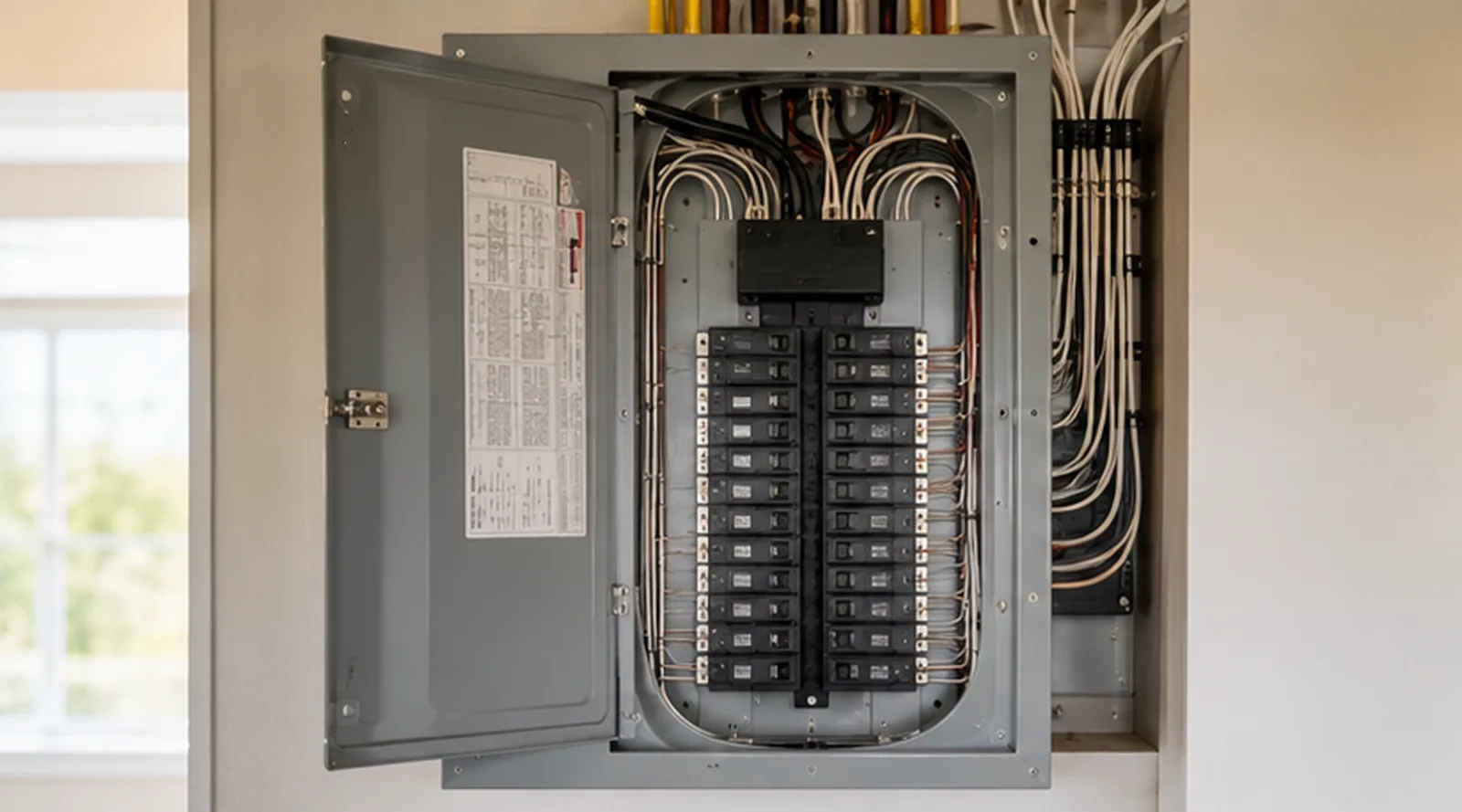
Federal Pacific Electric Stab-Lok panels were installed in millions of mid-century homes — including many around Hutchinson — and their breakers have a documented history of failing to trip on an overload. We identify them and recommend evaluation by a licensed electrician.
Every standard electrical inspection covers this. Get your free instant quote, pick a time, and we'll document exactly what's there in a photo-rich report within 24 hours.
Federal Pacific Electric (FPE) was a leading panel manufacturer from the 1950s into the 1980s, and its Stab-Lok line was installed in homes nationwide. Independent testing later found that a significant share of Stab-Lok breakers can fail to trip when a circuit overloads or faults — meaning the panel doesn't provide the overcurrent protection a breaker is supposed to guarantee. When a breaker won't trip, the wiring it feeds can overheat without ever shutting off.
It's documented as part of the electrical inspection, one of the eight systems in the full 120-point inspection. Browse the full defect library to understand the other issues we catch in electrical systems.
Get Your Free Quote →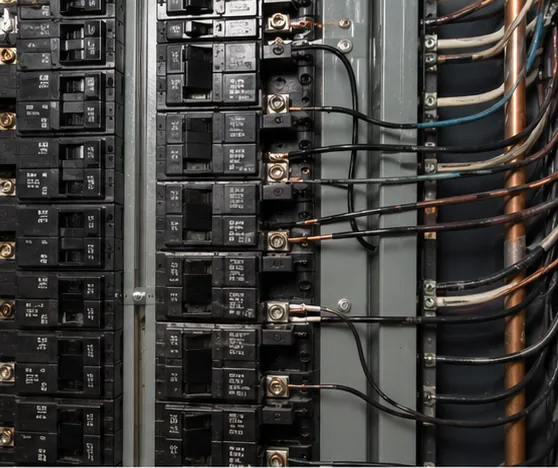
A lot of Hutchinson's housing stock was built or updated during FPE's peak decades, so Stab-Lok panels still turn up regularly in homes here. They were ordinary, code-approved equipment when installed — the problem only came to light through later testing — so many owners have no idea they have one. That's exactly why panel brand identification is a routine part of our electrical inspection.
"Federal Pacific," "FPE," or "Stab-Lok" markings confirm a panel with a known trip-failure history.
Stab-Lok breakers can fail to cut power on an overload, leaving the circuit unprotected.
The failure is internal — a faulty panel looks identical to a working one from the outside.
A breaker's entire job is to cut power before an overloaded or faulted circuit overheats. When Stab-Lok breakers fail to trip — as testing shows a meaningful percentage do — the protection isn't there, and the wiring can overheat to the point of fire while the panel looks perfectly normal. Because the defect is internal and intermittent, you can't tell a reliable breaker from an unreliable one by looking, which is why the whole panel is treated as a concern.
There's no field test that makes a Stab-Lok panel safe, so the widely recommended remedy is replacement of the panel with a modern listed panel and breakers by a licensed electrician. We identify the panel, document its condition, and recommend an electrician evaluate it for replacement — we don't quote the work or declare the panel safe.
Stab-Lok breakers that may not trip on an overload or fault condition.
Heat damage and scorching at the panel bus and breaker clips.
Breakers that don't seat firmly on the bus over decades of service.
Tripped breakers that won't reset or won't move to off.
Decades-old terminations that degrade and add resistance.
Documented manufacturing history that makes the whole panel a concern.
We read the panel labeling and breaker styling to confirm FPE Stab-Lok equipment.
Cover off when safe, we check the bus, breakers, and connections for heat and damage.
Photos record the brand, layout, and any signs of overheating.
The panel is flagged as a safety item for evaluation and likely replacement.
Across Hutchinson and McLeod County we still find Stab-Lok panels in homes from the mid-century building boom, often paired with the era's aluminum wiring or undersized service. We always confirm panel brand on every inspection so a known-problem panel doesn't get overlooked behind a closed cover before closing.
Get Your Free Quote →Explore more in the Defect Library, or read about related issues: Double-tapped breakers, Overfused circuits, Aluminum wiring, Knob & tube wiring. See how this fits into our electrical inspection and the full 120-point home inspection. We serve Hutchinson and McLeod County.