✓ InterNACHI® Master Certified ✓ 120-Point Inspection ✓ Reports in 24 Hours
📞 (320) 674-7553
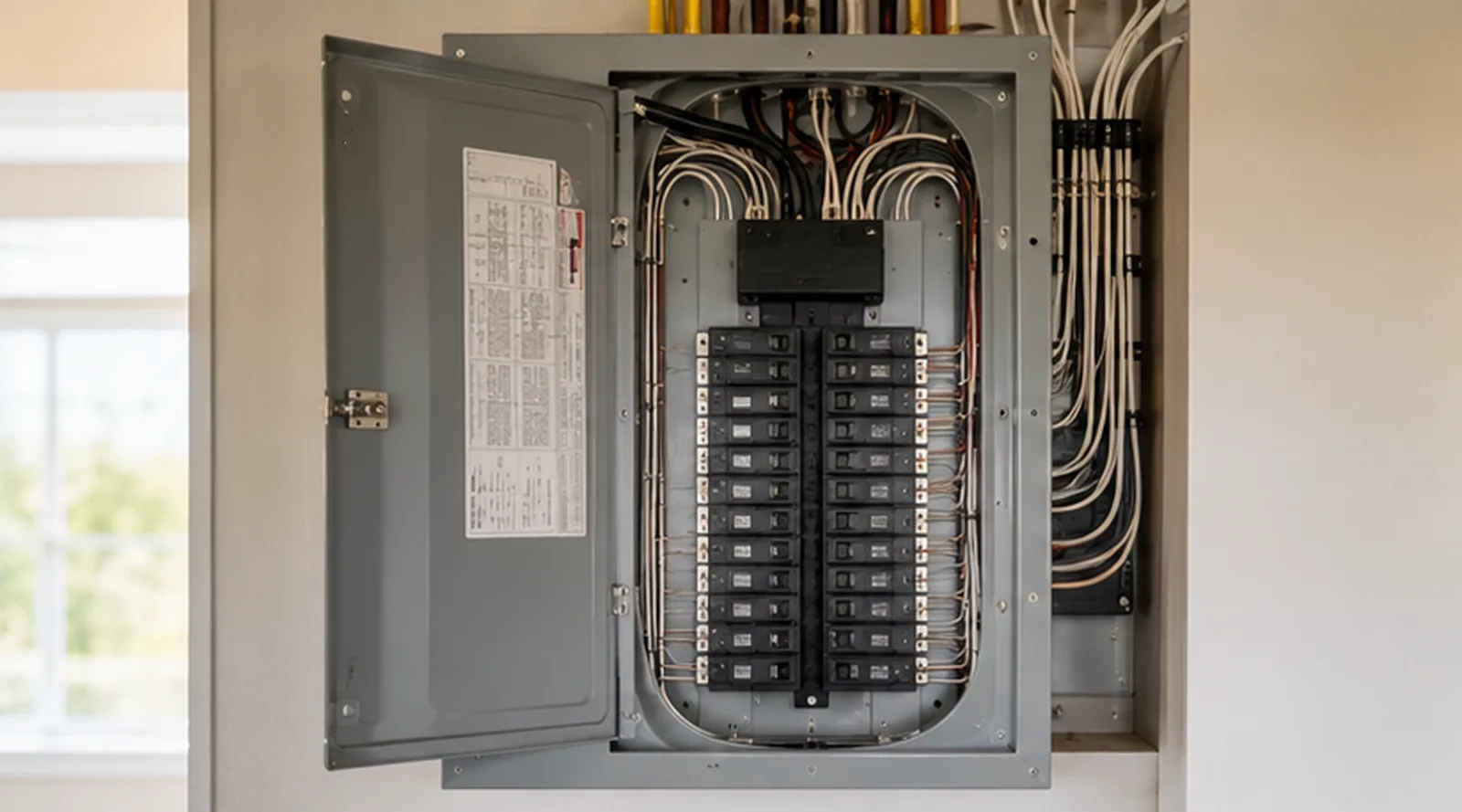
Electrical breaker panel opened for inspection in a Hutchinson, MN home
⬥ Hutchinson, MN · InterNACHI Master Certified

The electrical inspection that spots safety risks.

Outdated panels, ungrounded wiring, and missing GFCI protection are the quiet hazards in older Hutchinson homes. We open the panel, test the circuits, and tell you plainly what's safe.

★★★★★ 5-star rated✓ Same-day online scheduling✓ Walk-through included
Free 2-Minute Quote

Price your inspection and book in minutes.

The full electrical system is covered in every standard inspection. Get your free quote, choose a time, and add thermal imaging to see overheating connections.

What We Check

From the meter to the last outlet.

We start at the service entrance and meter, then open the main panel to inspect breaker sizing, wire gauge, grounding and bonding, and the connections inside. From there we test a representative sample of outlets and switches throughout the home, verify GFCI and AFCI protection where it's required, and trace visible wiring in the attic and basement.

Electrical is one of the eight systems in the full 120-point inspection, and it overlaps with what we find in the HVAC and built-in systems checks. Adding thermal imaging reveals heat at loose connections you can't see with a cover on.

Get Your Free Quote
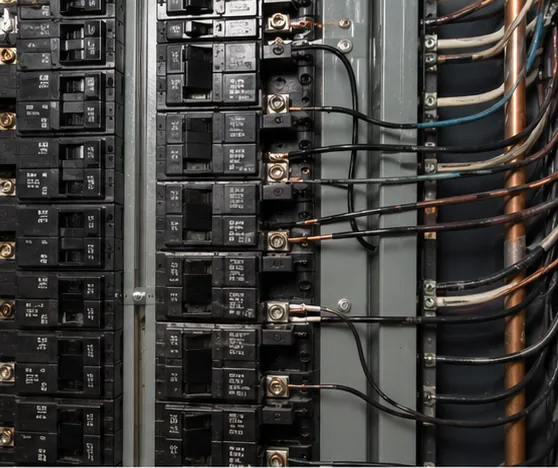
Close-up of breaker panel feeder wires and copper bus bars
Why It Matters in Minnesota

Older Hutchinson homes carry hidden electrical risk.

A century of additions, finished basements, and DIY upgrades leaves a trail of safety concerns behind the drywall.

Open electrical breaker panel showing branch circuit wiring
Panel

Double-taps & bad panels

Double-tapped breakers, undersized service, and known-problem panel brands turn up often. We document each clearly so an electrician can act on it.
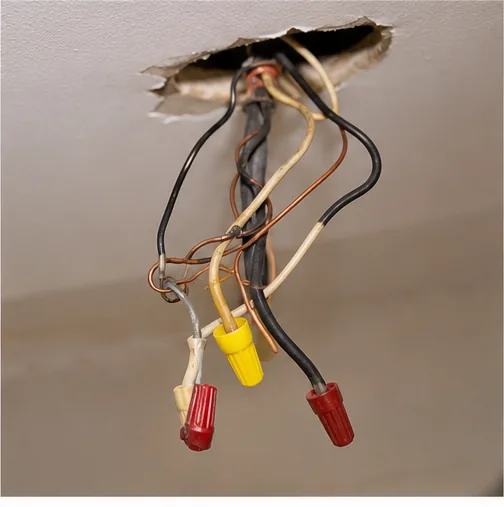
Exposed ceiling junction box with capped wiring connections
Grounding

Ungrounded & unbonded

Two-prong outlets, missing grounds, and improper bonding are common in pre-1970s homes here and are a genuine shock hazard.
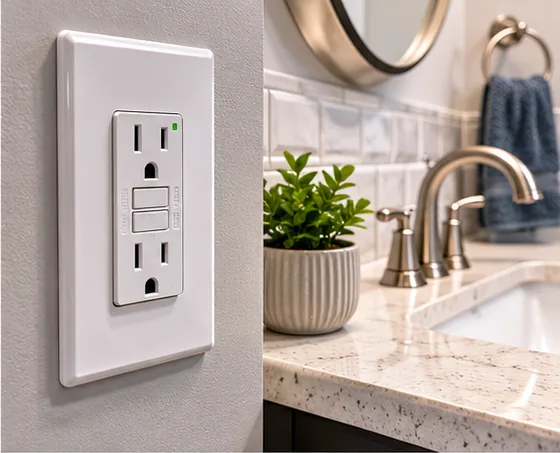
GFCI protected electrical outlet near bathroom vanity
Protection

Missing GFCI / AFCI

Kitchens, baths, garages, and exteriors frequently lack the GFCI and AFCI protection that prevents shocks and arc-fault fires.

Common Defects We Find

What turns up in Hutchinson panels and circuits.

Double-tapped breakers

Two wires under a breaker built for one — a loose-connection and overheating risk.

Known-problem panels

Panel brands with a documented history of failing to trip, flagged for replacement.

Open grounds

Three-prong outlets with no actual ground behind them, common in updated older homes.

Missing GFCI

No shock protection where water is present — kitchens, baths, garages, and outdoors.

Improper junctions

Open splices and uncovered junction boxes hidden in attics and basements.

Overheated connections

Scorching and melted insulation at terminals, signaling loose or overloaded wiring.

How We Inspect It

Four steps from service to circuit.

01

Service & meter

We check the service entrance, mast, and meter for capacity and damage.

02

Open the panel

Cover off when safe, we inspect breakers, grounding, bonding, and connections.

03

Test circuits

Representative outlets and switches are tested, with GFCI/AFCI verified.

04

Report & review

Safety findings are prioritized in your 24-hour report and walked through on-site.

FAQ

Electrical inspection questions, answered.

What does an electrical inspection cover?
We inspect the service entrance and meter, open the main panel to check breakers, grounding, bonding, and wire connections, test a representative sample of outlets and switches, verify GFCI and AFCI protection where required, and look over visible wiring in the attic and basement. Findings are photographed and prioritized by safety severity.
Why do older Hutchinson homes have electrical concerns?
Many homes around Hutchinson and McLeod County still run on undersized panels, original two-prong ungrounded wiring, or have a patchwork of DIY additions. We commonly find double-tapped breakers, missing GFCI protection in kitchens and baths, and outdated panel brands that are known fire and failure risks.
Do you open the electrical panel?
Yes. When it is safe to do so, we remove the panel cover to inspect the interior — breaker sizing, wire gauge match, grounding and bonding, double-taps, and signs of overheating or arcing. A cover that can't be safely removed is noted as a limitation in the report.
Can the inspection find a fire hazard?
We routinely flag the most common electrical fire hazards a home inspection can identify: overheated connections, improper wiring, missing GFCI/AFCI protection, ungrounded outlets, and known-problem panels. Anything serious is marked as a safety concern so you can have a licensed electrician evaluate it before closing.
Is the electrical inspection part of the standard home inspection?
Yes. The electrical system is one of the eight core areas of the standard 120-point home inspection — there is no separate fee. You can also add thermal imaging, which helps reveal overheating connections behind cover plates and at the panel.

Related systems & service area

Electrical ties into the rest of the home: see our HVAC, plumbing, roof, and foundation inspections, or review everything included. Concerned about a specific issue? Read about aluminum wiring and double-tapped breakers. We serve Hutchinson and McLeod County.

Find the wiring problems before you own them.

Get Your Free Instant Quote
📞 Call Free Instant Quote