✓ InterNACHI® Master Certified ✓ 120-Point Inspection ✓ Reports in 24 Hours
📞 (320) 674-7553
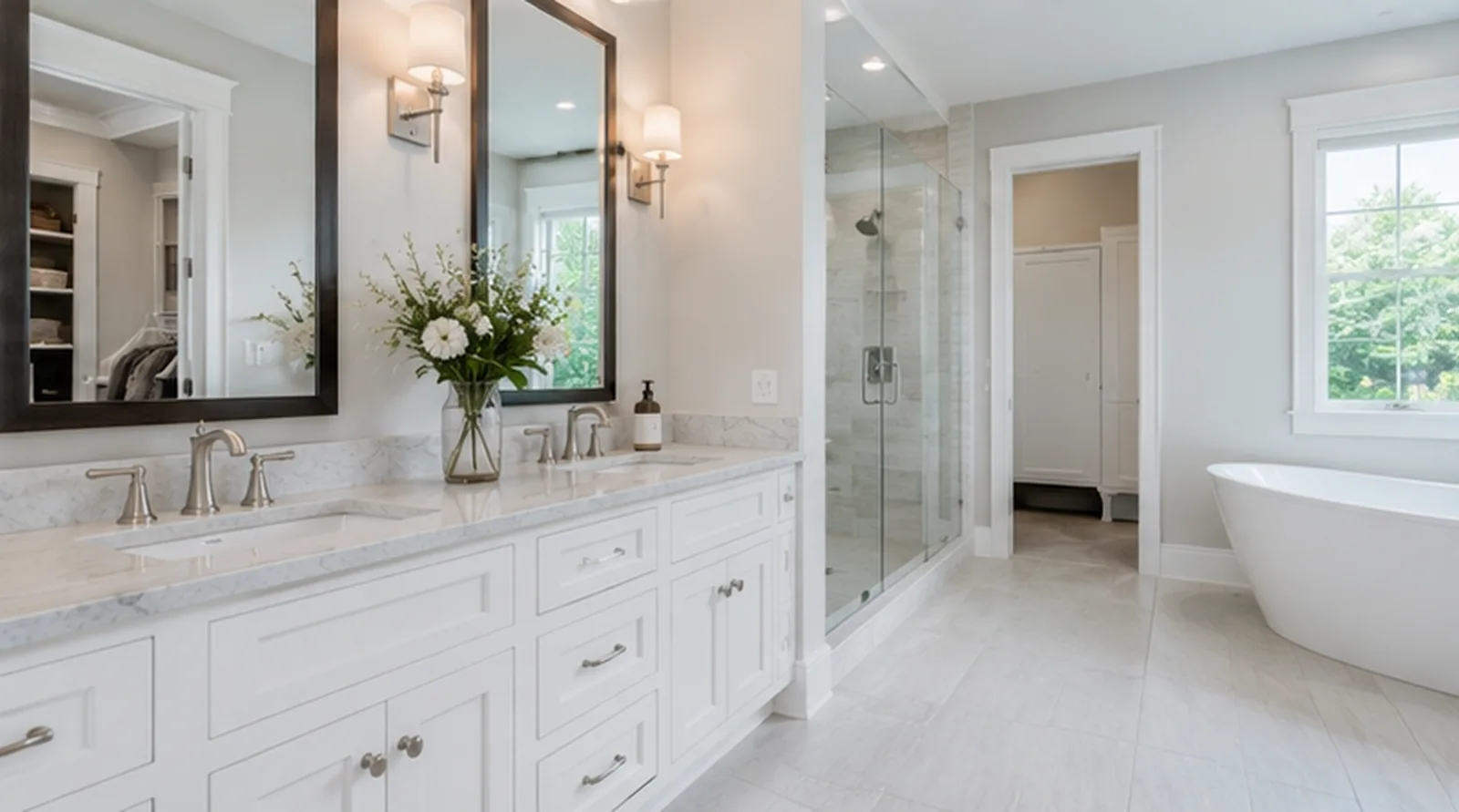
Tiled bathroom inspected for mold and moisture in Hutchinson, MN
⬥ Hutchinson, MN · Mold & Moisture

Bathroom mold: when steam has nowhere to go.

A bathroom makes humidity every day. If the fan is weak, missing, or vented to nowhere, that moisture settles on grout, ceilings, and behind the walls — and mold follows.

★★★★★ 5-star rated✓ Same-day online scheduling✓ Walk-through included
What It Is

What bathroom mold actually is.

Bathroom mold is fungal growth driven by the repeated humidity a bathroom generates. Every shower releases warm, moist air; if it isn't exhausted, it condenses on cooler surfaces — grout, caulk, ceilings, window frames — and feeds mold. The worst cases are hidden: water wicking behind tile, under flooring, or into the wall cavity from a failing shower pan or leaking supply line, where mold grows unseen.

Why it matters. Bathroom mold is the most common mold finding in a home, and it spans the cosmetic to the serious. Surface growth on grout is easy to clean; mold from a hidden leak behind the shower can mean rotted framing and a costly repair. On an inspection, separating a ventilation problem from a concealed leak is exactly the distinction a buyer needs.

Get Your Free Quote
Shower and surround inspected for mold and moisture in a Hutchinson bathroom
Free 2-Minute Quote

Concerned about this? Get it inspected.

This finding is covered by our standard 120-point inspection. Get your free quote, choose a time, and add thermal imaging or mold testing to map what's hidden.

Signs & Symptoms

What it looks like.

The warning signs we document and that you can watch for.

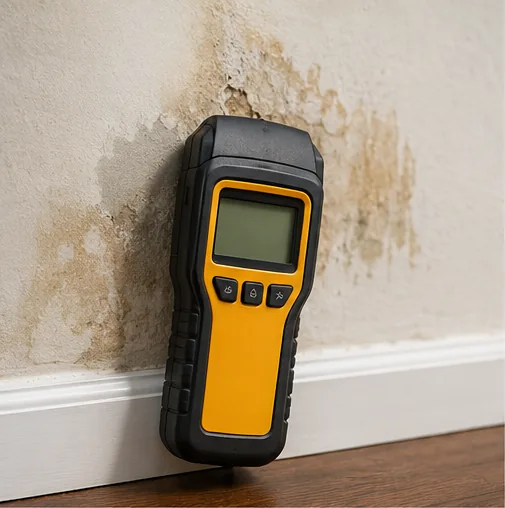
Handheld moisture meter testing a mold-stained interior wall
Signs

What to look for

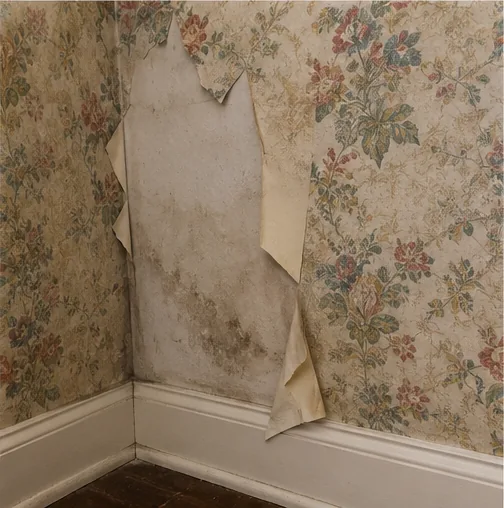
Black or pink growth on grout, caulk, and silicone, dark spotting on the ceiling above the shower, peeling paint and bubbling drywall, a persistent damp or musty smell, condensation lingering long after a shower, soft or discolored flooring near the tub and toilet, and missing, weak, or non-functioning exhaust fans. Stains on the ceiling below an upstairs bathroom point to a hidden leak.

Shower and surround inspected for mold and moisture in a Hutchinson bathroom
Causes

Why it happens

Inadequate ventilation is the leading cause — no exhaust fan, an undersized or broken fan, or a fan that vents into the attic instead of outdoors. Add hidden water sources: failing tile grout and caulk, a leaking shower pan or surround, dripping supply or drain lines, and toilet wax-ring leaks. Together, surface humidity and concealed leaks make the bathroom the home's most reliable mold producer.

Water-stained interior wall with peeling vintage wallpaper
Risk

If it's ignored

Surface mold is mostly cosmetic and a clue to humidity, but concealed mold from a leak can rot subfloor and framing, damage the ceiling below, and contaminate air. Bathroom mold can aggravate allergies and asthma. Ignored, a small grout problem stays cosmetic — but an ignored hidden leak can quietly destroy the structure around a shower and require gutting it.

Repair Options

How it's addressed.

Fix ventilation first: install or upgrade an exhaust fan sized to the room and vented to the exterior, and run it during and after showers. Clean surface mold and renew failed caulk and grout. Hidden leaks require finding and repairing the source — re-sealing or rebuilding the shower, fixing supply or drain lines, replacing a toilet wax ring — and removing any rotted, mold-affected material. We document fan operation, surface growth, and signs of concealed leaks.

This is one of the findings covered by the full 120-point home inspection and documented under our interior inspection. Related issues worth reading: Basement mold Window condensation Wet crawlspace Basement seepage.

Shower and surround inspected for mold and moisture in a Hutchinson bathroom
Common Variations

What turns up around Hutchinson.

Weak or no fan

Missing or undersized exhaust that leaves shower humidity in the room.

Fan to attic

An exhaust fan venting into the attic instead of outdoors.

Grout & caulk mold

Surface growth on failing grout, caulk, and silicone.

Ceiling spotting

Mold on the ceiling above the shower from trapped steam.

Hidden shower leak

Water wicking behind tile or through a failing pan into the wall.

Subfloor rot

Soft, stained flooring near the tub and toilet from chronic leaks.

How We Inspect It

Four steps to a clear answer.

01

Test the fan

We run the exhaust fan and check that it moves air and vents outside.

02

Inspect wet zones

We examine grout, caulk, the surround, and flooring for growth and leaks.

03

Check below

We look at the ceiling under upstairs baths for hidden-leak staining.

04

Document & advise

We record findings and recommend mold testing where growth is significant.

Minnesota Notes

Why this matters here.

In Hutchinson's long heating season, homes are sealed up tight for months, so bathroom humidity that isn't exhausted has nowhere to escape and condenses readily on cold exterior walls and windows. We routinely find exhaust fans that vent into the attic — a Minnesota problem that dumps moist air where it causes condensation and mold rather than carrying it outside.

Book Your Inspection
Tiled bathroom inspected for mold and moisture in Hutchinson, MN
FAQ

Bathroom Mold questions, answered.

What causes mold in a bathroom?
Mostly poor ventilation — a missing, weak, or improperly vented exhaust fan that leaves shower humidity to condense on grout, ceilings, and walls. Hidden leaks from failing grout, shower pans, or supply lines cause the more serious, concealed mold.
Where does a bathroom fan need to vent?
To the outdoors — through the roof or a sidewall — never into the attic. Venting into the attic dumps moist air where it condenses and causes mold and frost, a common problem we find in Minnesota homes.
Is the black stuff on my grout dangerous?
Surface mold on grout and caulk is usually cosmetic and a sign of humidity. Clean it and improve ventilation. The bigger concern is mold from a hidden leak behind the wall, which we look for separately.
How do I prevent bathroom mold?
Run a properly vented exhaust fan during and after every shower, keep grout and caulk sealed, fix leaks promptly, and wipe down wet surfaces. Good ventilation is the single most effective step.
Do you check for hidden leaks behind the shower?
We look for the signs — staining on the ceiling below, soft flooring, loose tile, and elevated moisture — and recommend further evaluation or mold testing where a concealed leak is suspected.

Related defects & inspections

Explore related findings in the Defect Library: Basement mold Window condensation Wet crawlspace Basement seepage. See how we document it in the interior inspection and the full 120-point home inspection, and add mold testing or thermal imaging when hidden moisture is suspected. We serve Hutchinson and McLeod County.

Get a straight answer about your home.

Get Your Free Instant Quote
📞 Call Free Instant Quote