✓ InterNACHI® Master Certified ✓ 120-Point Inspection ✓ Reports in 24 Hours
📞 (320) 674-7553
Window weather seal and glazing inspected for condensation in Hutchinson, MN
⬥ Hutchinson, MN · Moisture & Windows

Window condensation: fog that tells two different stories.

Fog on the inside of the glass and fog trapped between the panes mean very different things. One is about your indoor air; the other is a failed window seal. We tell which.

★★★★★ 5-star rated✓ Same-day online scheduling✓ Walk-through included
What It Is

What window condensation actually is.

Window condensation comes in two forms. Surface condensation forms on the room-side of the glass when warm, humid indoor air meets cold glass — most common on Minnesota winter mornings. Between-the-panes condensation forms inside a sealed double- or triple-pane unit when its seal fails and moisture gets trapped where you can't wipe it away. They look similar but mean entirely different things: one is about humidity, the other about the window itself.

Why it matters. Window condensation is a window into a home's moisture balance and the condition of its windows. Persistent surface fogging warns that indoor humidity is too high — the same humidity that feeds mold elsewhere. Fogging between panes flags failed insulated glass that has lost efficiency. On an inspection, identifying which is happening tells a buyer whether they have a humidity issue, aging windows, or both.

Get Your Free Quote
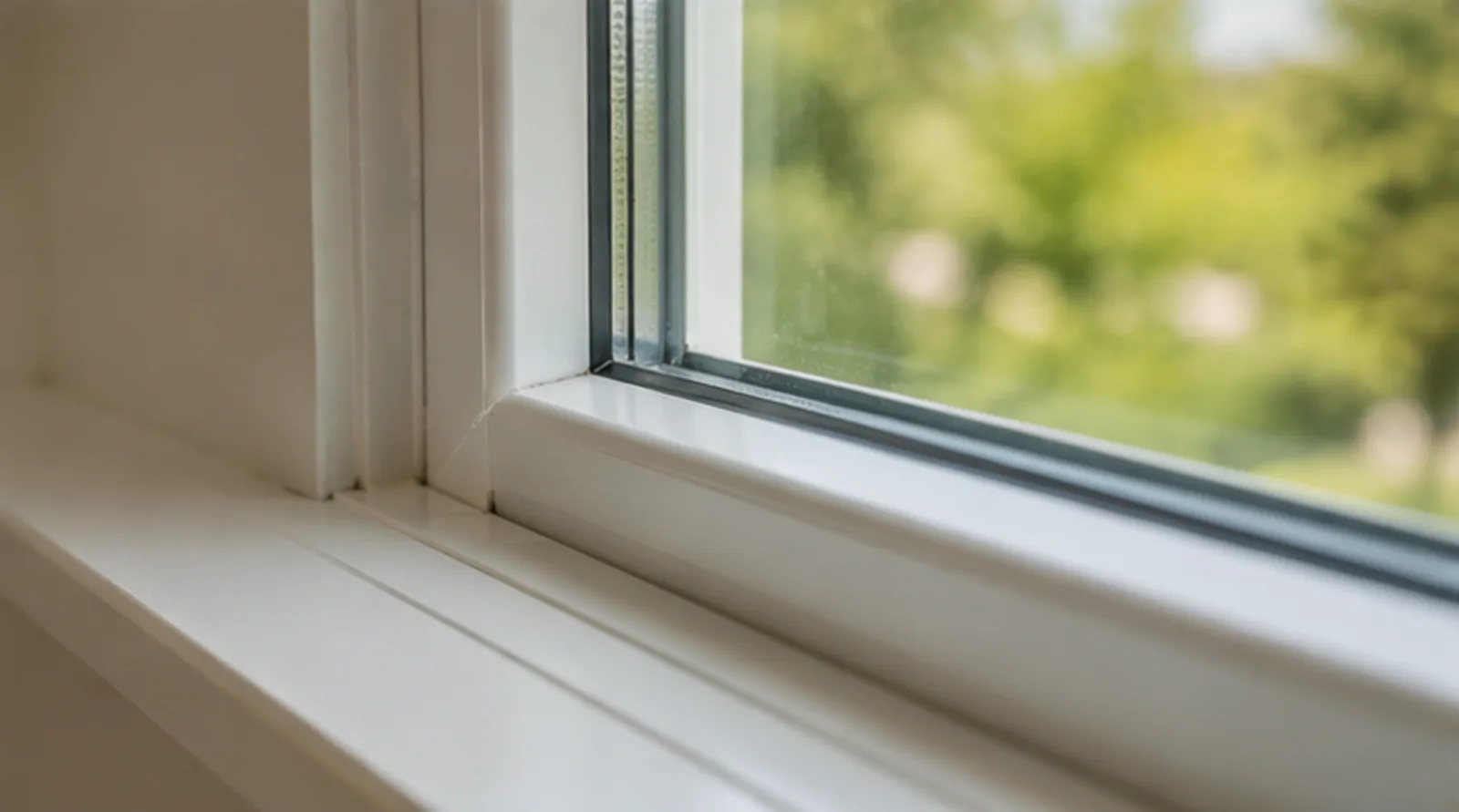
Close-up of a window seal and pane inspected in a Hutchinson, MN home
Free 2-Minute Quote

Concerned about this? Get it inspected.

This finding is covered by our standard 120-point inspection. Get your free quote, choose a time, and add thermal imaging or mold testing to map what's hidden.

Signs & Symptoms

What it looks like.

The warning signs we document and that you can watch for.

Window weather seal and glazing inspected for condensation in Hutchinson, MN
Signs

What to look for

Surface condensation: fog, water droplets, or frost on the inside face of the glass, wet sills, peeling paint, and mold or staining at the window frame and corners. Failed-seal condensation: a permanent haze, fog, or mineral film trapped between the panes that you cannot wipe off from either side, sometimes clearing in dry conditions and returning in humid ones. Frost forming on the glass in winter is a strong surface-humidity sign.

Close-up of a window seal and pane inspected in a Hutchinson, MN home
Causes

Why it happens

Surface condensation comes from high indoor humidity (cooking, showering, drying, too little ventilation) meeting cold single- or poorly-insulated glass; tight, well-sealed homes trap that moisture. Between-the-panes fogging comes from a failed seal in an insulated glass unit — age, thermal cycling, or manufacturing defects let the inert gas escape and moisture in. Cold Minnesota glass makes both far more visible in winter.

Window weather seal and glazing inspected for condensation in Hutchinson, MN
Risk

If it's ignored

Chronic surface condensation keeps sills and frames wet, leading to peeling paint, wood rot, and mold at the window — and it signals home-wide humidity that can cause condensation and mold in less visible places. Failed-seal units lose their insulating value, raising energy use and leaving the glass permanently hazy. Neither is a structural emergency, but both point to problems worth correcting.

Repair Options

How it's addressed.

For surface condensation, lower indoor humidity: use bath and kitchen exhaust fans, run a dehumidifier or HRV, and improve air circulation; upgrading to better-insulated glass raises the surface temperature so it fogs less. For a failed seal, the fix is replacing the insulated glass unit or the window — the seal can't be reliably restored. We identify which type of condensation is present and note humidity and window conditions in the report.

This is one of the findings covered by the full 120-point home inspection and documented under our interior inspection. Related issues worth reading: Bathroom mold Basement mold Efflorescence Wet crawlspace.

Close-up of a window seal and pane inspected in a Hutchinson, MN home
Common Variations

What turns up around Hutchinson.

Surface fog

Condensation on the room-side glass from warm, humid indoor air.

Winter frost

Frost on the inside of the glass on cold Minnesota mornings.

Between-pane haze

Permanent fog trapped inside a failed insulated-glass unit.

Wet sills

Standing moisture on sills leading to peeling paint and rot.

Frame mold

Mold and staining at window corners from chronic dampness.

High indoor humidity

Whole-home humidity that fogs windows and feeds mold elsewhere.

How We Inspect It

Four steps to a clear answer.

01

Identify the type

We determine whether fog is on the surface or trapped between panes.

02

Check for failed seals

We look for the wipe-proof haze that marks a failed insulated unit.

03

Read humidity

We note indoor humidity and condensation patterns across the home.

04

Document & advise

Findings are recorded with guidance on humidity control or glass replacement.

Minnesota Notes

Why this matters here.

Window condensation is almost a Minnesota rite of winter: warm indoor air meets glass chilled by sub-zero outdoor temperatures, and frost or fog appears. Some seasonal surface condensation is normal here, but persistent fogging or frost signals humidity that should be managed before it causes mold. We also commonly find failed insulated-glass seals in older Hutchinson windows, visible as that wipe-proof haze between the panes.

Book Your Inspection
Window weather seal and glazing inspected for condensation in Hutchinson, MN
FAQ

Window Condensation questions, answered.

What does condensation between window panes mean?
It means the seal of the insulated glass unit has failed, letting moisture inside where you can't wipe it off. The window has lost insulating value and the glass unit or window typically needs replacing.
Why do my windows fog or frost up in winter?
Warm, humid indoor air meeting cold glass produces surface condensation and frost. It's common in Minnesota winters, but persistent fogging means indoor humidity is too high and should be reduced.
Is window condensation a serious problem?
Surface condensation isn't an emergency but signals high humidity that can cause rot and mold at the window and elsewhere. Failed-seal fogging means inefficient windows. Both are worth addressing.
How do I stop condensation on my windows?
For surface fog, lower indoor humidity with exhaust fans, a dehumidifier or HRV, and better air circulation, and consider higher-performance glass. For fog between panes, the insulated glass unit or window must be replaced.
Can a foggy window seal be repaired?
Defogging services exist, but they don't reliably restore the insulating gas or seal. The dependable fix is replacing the insulated glass unit or the window.

Related defects & inspections

Explore related findings in the Defect Library: Bathroom mold Basement mold Efflorescence Wet crawlspace. See how we document it in the interior inspection and the full 120-point home inspection, and add mold testing or thermal imaging when hidden moisture is suspected. We serve Hutchinson and McLeod County.

Get a straight answer about your home.

Get Your Free Instant Quote
📞 Call Free Instant Quote