Slope
Flat or back-pitched
Drain runs with too little pitch — or pitched the wrong way — that won't clear waste.
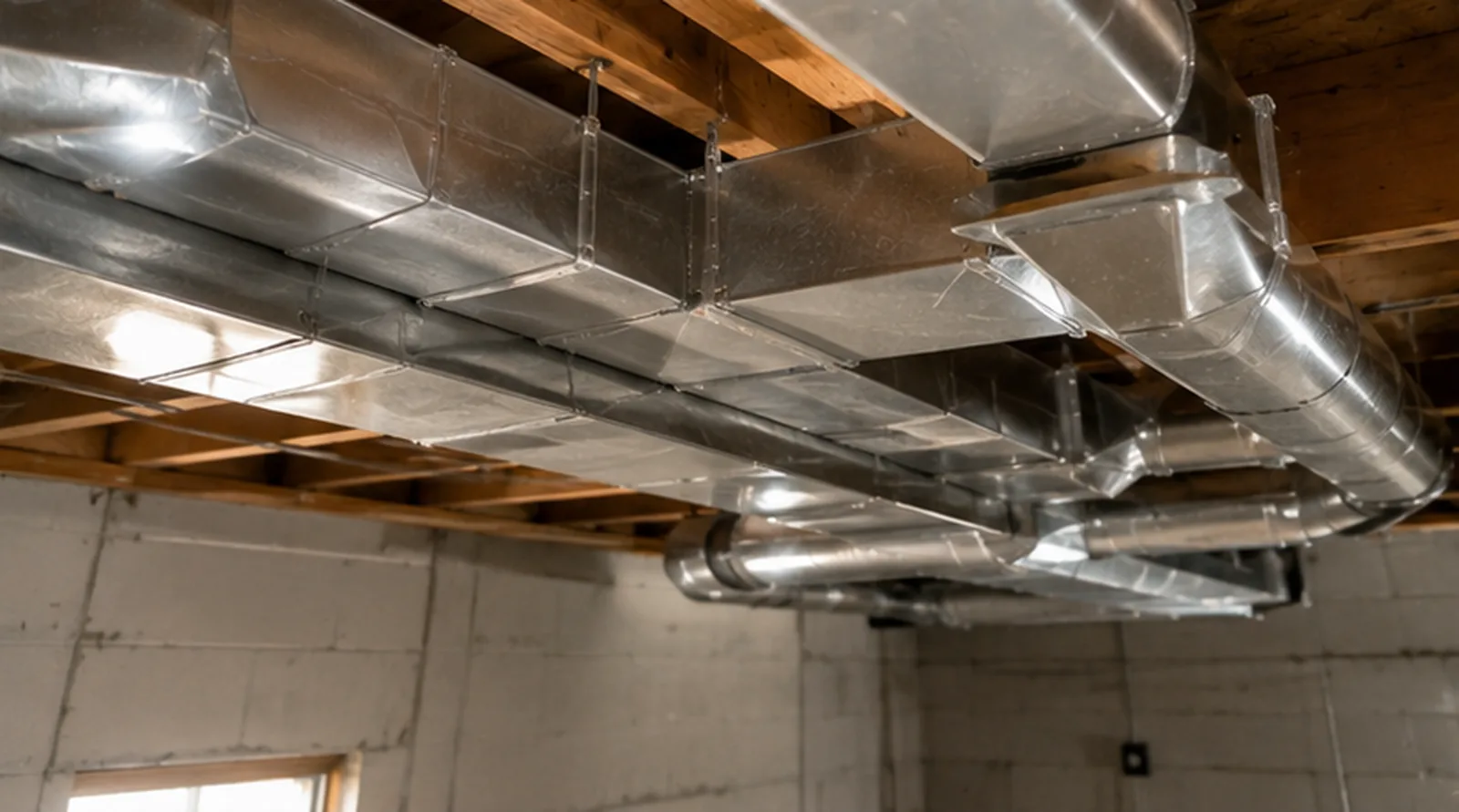
Drain pipes rely on gravity, and they need the right pitch to carry waste away. Flat, sagging, or back-pitched lines hold water and solids, causing slow drains, clogs, and backups. We sight the visible runs and document the slope.
Every standard plumbing inspection covers this. Get your free instant quote, pick a time, and we'll document exactly what's there in a photo-rich report within 24 hours.
Drain, waste, and vent (DWV) piping isn't pressurized — it moves waste by gravity, so it must slope downhill at a consistent pitch (commonly about a quarter-inch per foot for typical lines). Too little slope, a flat run, a sag (a "belly"), or a section pitched backward all let water and solids settle instead of flowing out. Over time those low spots collect debris, breed odors, and clog. We check the slope of the drain piping that's visible in basements, crawlspaces, and under fixtures.
It's documented as part of the plumbing inspection, one of the eight systems in the full 120-point inspection. Browse the full defect library to understand the other issues we catch in plumbing systems.
Get Your Free Quote →
Improper slope usually comes from DIY plumbing, additions, and basement bathrooms installed without careful attention to pitch, or from long horizontal runs that sag between supports over the years. Hutchinson's many finished basements and added bathrooms are common places we find it — a new fixture tied into the drain system with a flat or back-pitched run. Settlement and missing pipe hangers also let lines develop bellies over time.
Drain runs with too little pitch — or pitched the wrong way — that won't clear waste.
Long horizontal runs sagging between supports, holding water and solids.
Chronically slow fixtures, gurgling, and recurring clogs from poor drainage.
Without proper slope, waste doesn't fully clear the pipe — water and solids pool in flat spots and bellies, leading to recurring clogs and eventual backups into the home. Standing waste also generates sewer odors and can let sewer gas escape through dried traps. Chronic backups in a finished basement bathroom are both a sanitation problem and a moisture-and-mold concern. The defect compounds: every flush leaves a little more behind.
A licensed plumber corrects drain slope by re-hanging and re-pitching the affected run, adding or repairing pipe supports to remove a belly, or re-plumbing a back-pitched branch to the proper fall. Where slope can't be achieved by gravity, an ejector or pump may be needed for a below-grade fixture. We sight and document the visible slope and any standing water; we don't quote the work.
Drain piping with too little fall to carry waste by gravity.
Sags in long horizontal runs that pool water and debris.
Sections sloped the wrong way where a fixture was tied in.
Failed or absent hangers letting lines sag over time.
Chronic backups at a fixture from waste that won't clear.
Standing waste in low spots generating smells and gas.
We visually follow drain piping in the basement and crawlspace, watching for flat or back-pitched sections.
Long horizontal runs are checked for sags and low spots between supports.
We run fixtures and note slow draining, gurgling, and backups.
Improper slope and drainage problems are documented for a licensed plumber.
Hutchinson's high count of finished basements and added basement bathrooms is exactly where we find improper drain slope and back-pitched branches across McLeod County. We trace the visible DWV runs along the joists carefully, since a flat or sagging line tied into a basement fixture is a recurring backup waiting to happen.
Get Your Free Quote →Explore more in the Defect Library, or read about related issues: Leaking supply lines, Water heater end of life, Galvanized pipes, Polybutylene pipes. See how this fits into our plumbing inspection and the full 120-point home inspection. We serve Hutchinson and McLeod County.