
Kitchen
Counters near sinks
Counter outlets next to the sink with no GFCI protection are a common, serious gap.
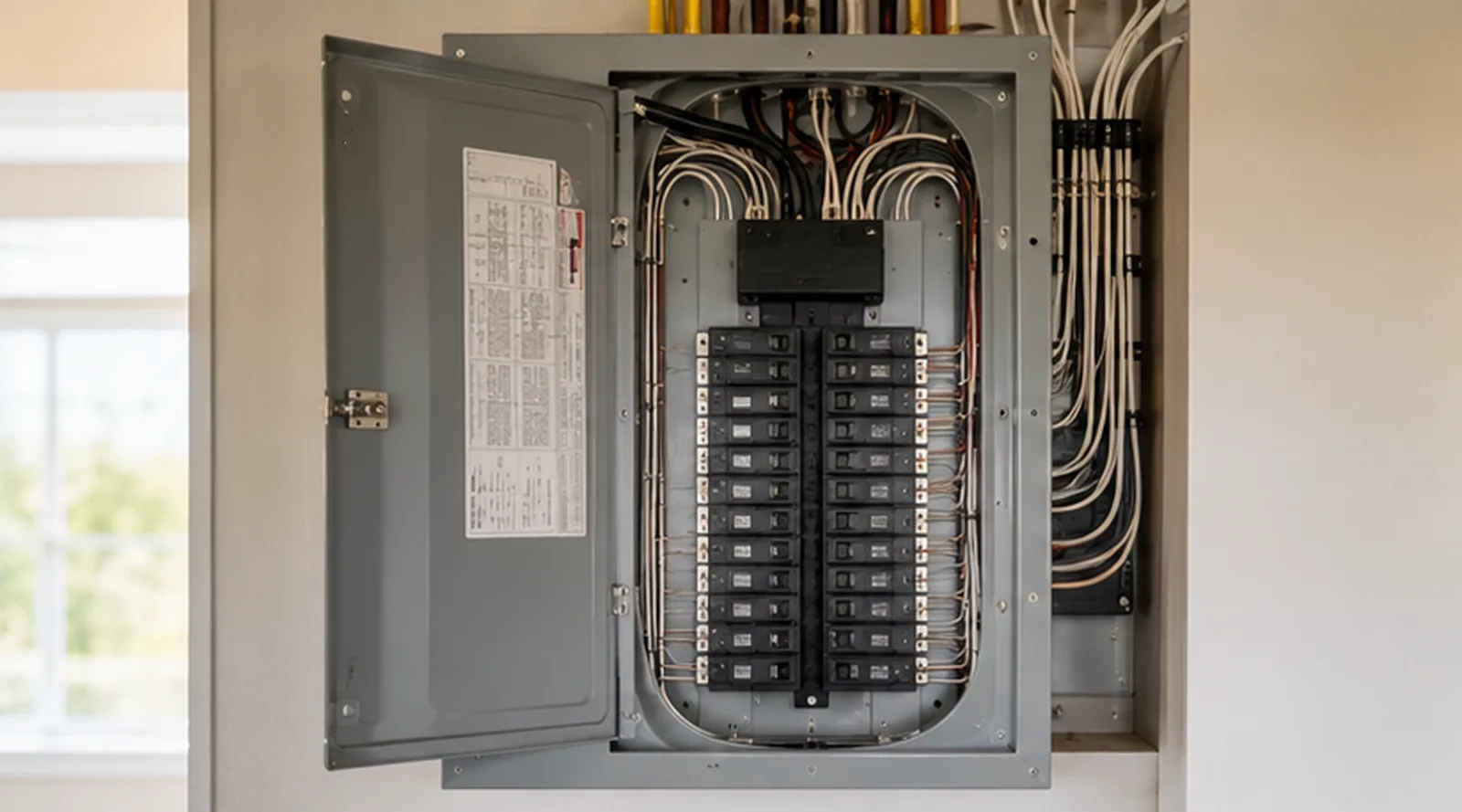
Kitchens, bathrooms, garages, and outdoor outlets need GFCI protection to prevent fatal shock. Older Hutchinson homes often lack it entirely. We test every required location and tell you exactly where it's missing.
Every standard electrical inspection covers this. Get your free instant quote, pick a time, and we'll document exactly what's there in a photo-rich report within 24 hours.
A GFCI (ground-fault circuit interrupter) is a fast-acting device that cuts power the instant it senses current leaking to ground — the kind of fault that happens when electricity finds a path through water or a person. It can be a special receptacle or a breaker, and it works whether or not the circuit is grounded. Modern practice requires GFCI protection in areas near water: kitchen counters, bathrooms, garages, basements, laundry, and all exterior outlets.
It's documented as part of the electrical inspection, one of the eight systems in the full 120-point inspection. Browse the full defect library to understand the other issues we catch in electrical systems.
Get Your Free Quote →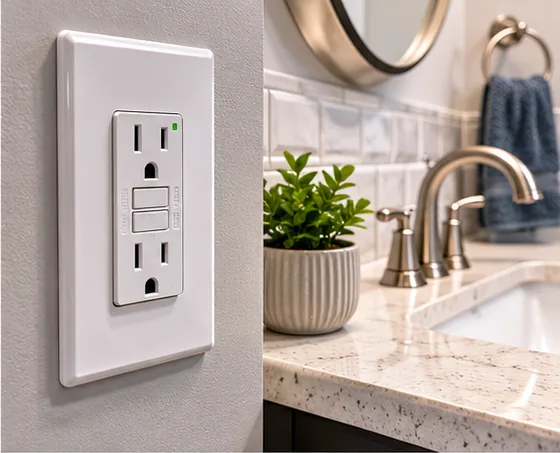
Most homes in Hutchinson built before GFCIs became standard were never retrofitted with them, so original kitchens, baths, and garages frequently have ordinary unprotected outlets right next to sinks, tubs, and damp floors. Even in updated homes, we regularly find a remodeled bath or a new exterior outlet that was wired without the protection. It's one of the most common and most consequential safety gaps we document.
Counter outlets next to the sink with no GFCI protection are a common, serious gap.
Bathroom receptacles without test/reset buttons leave no protection where water is present.
Exterior, garage, and basement outlets frequently lack the GFCI protection now required.
GFCIs exist to prevent electrocution — the leading reason for their requirement near water. Without them, a faulty appliance, a frayed cord, or water bridging a circuit near a sink or tub can deliver a fatal shock with nothing to cut the power in time. A missing or non-functioning GFCI in a bathroom, kitchen, garage, or outdoors is a genuine life-safety defect, not a cosmetic one.
A licensed electrician adds GFCI protection by installing GFCI receptacles at the required locations or a GFCI breaker that protects the whole circuit, and confirms downstream outlets are correctly fed. Non-working GFCIs are replaced. We test every required location and document where protection is missing or failed; we don't quote the work.
Counter outlets near the sink with no ground-fault protection.
Vanity outlets lacking the protection required near tubs and sinks.
Outdoor outlets without GFCI, exposed to rain and damp.
GFCIs that won't trip on the test button or won't reset.
Utility-area outlets near damp floors with no protection.
Outlets that should be protected but aren't fed from the GFCI.
We identify every location that needs GFCI protection — kitchen, bath, garage, laundry, exterior.
Existing GFCIs are tested with the button and a tester to confirm they trip and reset.
Unprotected outlets near water are documented as safety items.
Missing and failed GFCIs are flagged for a licensed electrician.
Hutchinson's older housing stock — much of it built before GFCIs were required — means missing protection near water is one of the most frequent findings on local inspections. We check finished basements and laundry areas closely too, since those McLeod County remodels often add outlets near utility sinks and washers without the protection they need.
Get Your Free Quote →Explore more in the Defect Library, or read about related issues: Open grounds, Double-tapped breakers, Aluminum wiring, Overfused circuits. See how this fits into our electrical inspection and the full 120-point home inspection. We serve Hutchinson and McLeod County.