Sign
Blocked soffit vents
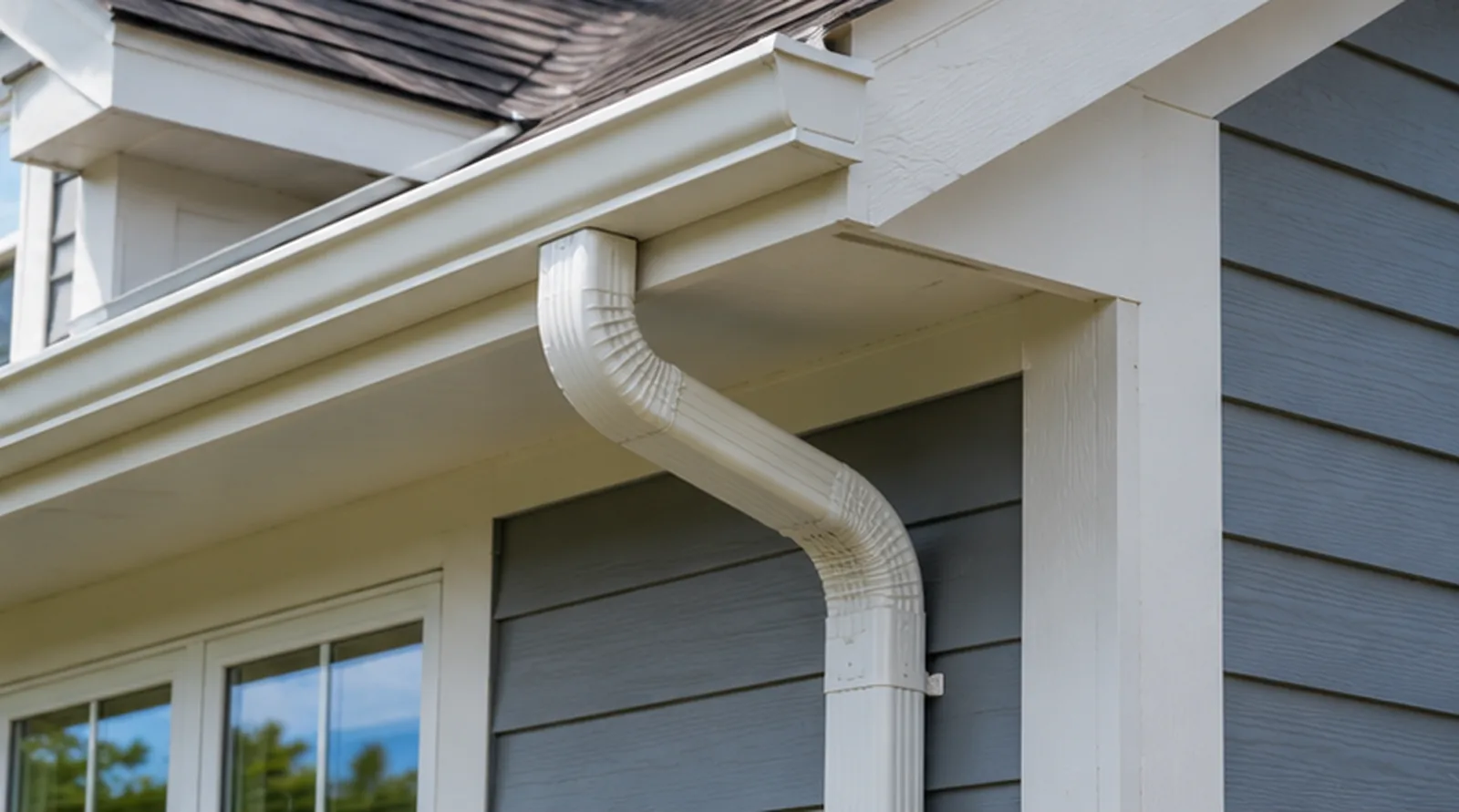
Soffit vents painted over, screened shut, or buried in insulation choke the intake at the eaves.
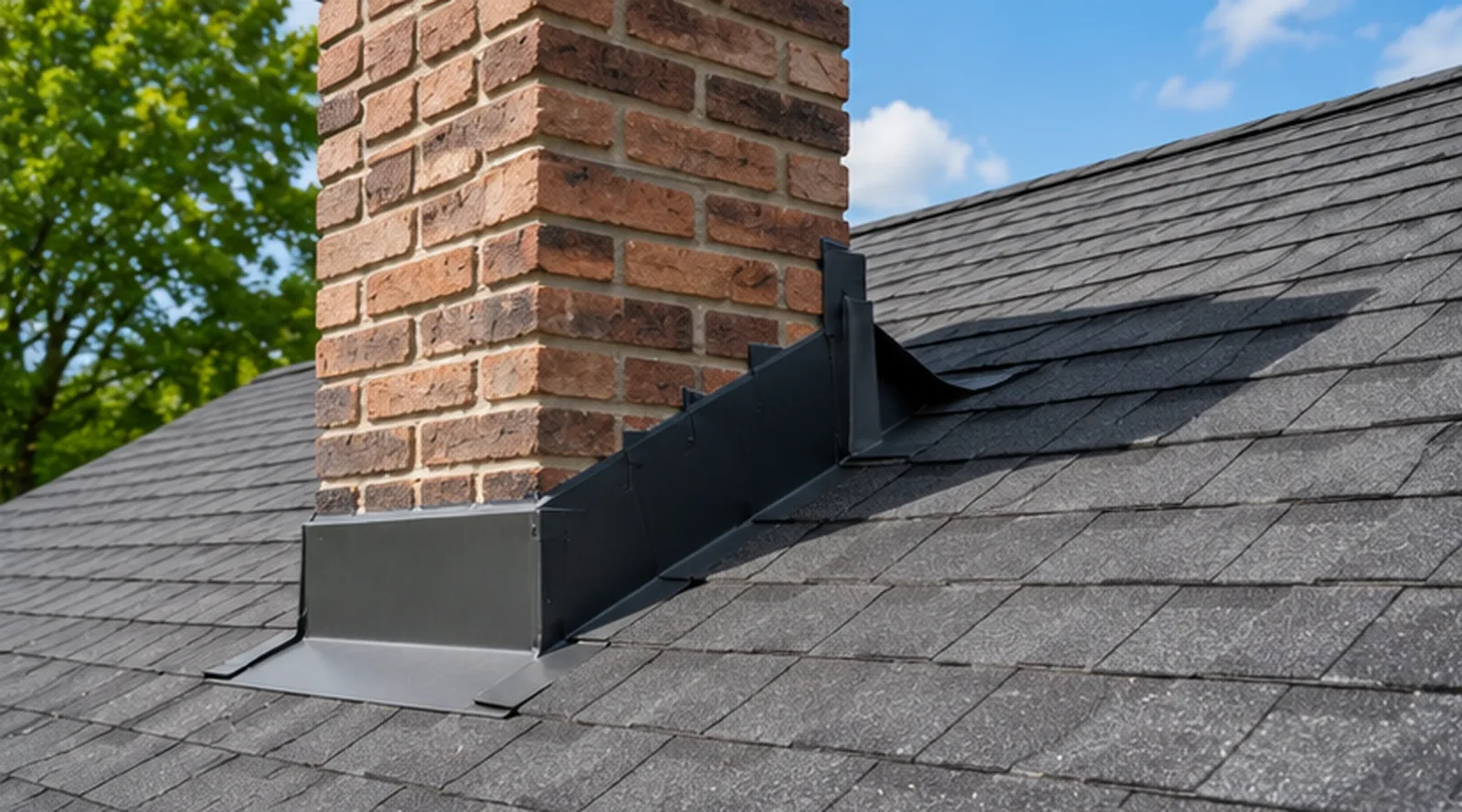
A roof breathes through balanced intake at the soffits and exhaust at the ridge. When that balance is off — or either vent is blocked — the attic stalls. Here's how ridge and soffit vent problems happen and how we check them.
We confirm the ridge and soffit vents are present, clear, and balanced on every 120-point inspection. Get a free quote and book online.
Soffit and ridge vents are two halves of one system. Soffit vents at the eaves are the intake; the ridge vent at the peak is the exhaust. Cool air enters low, warms, rises, and leaves at the top, continuously flushing heat and moisture from the attic. For that natural convection to work, the intake and exhaust must be roughly balanced and both must be physically clear.
Problems creep in when soffit vents get painted over or buried, when a ridge vent is missing or was installed over a deck that was never cut open, or when a ridge vent fights with added powered or box vents. The airflow short-circuits, and the attic suffers the same fate as one with no vents at all — trapped moisture, ice dams, and mold. It's part of the broader picture of roof ventilation problems we evaluate in the roof inspection and attic inspection.
Get Your Free Quote →The signs span the roof, the eaves, and the attic.
Soffit vents painted over, screened shut, or buried in insulation choke the intake at the eaves.
No ridge vent, or one installed over a deck that was never slotted, leaves the warm air nowhere to escape.
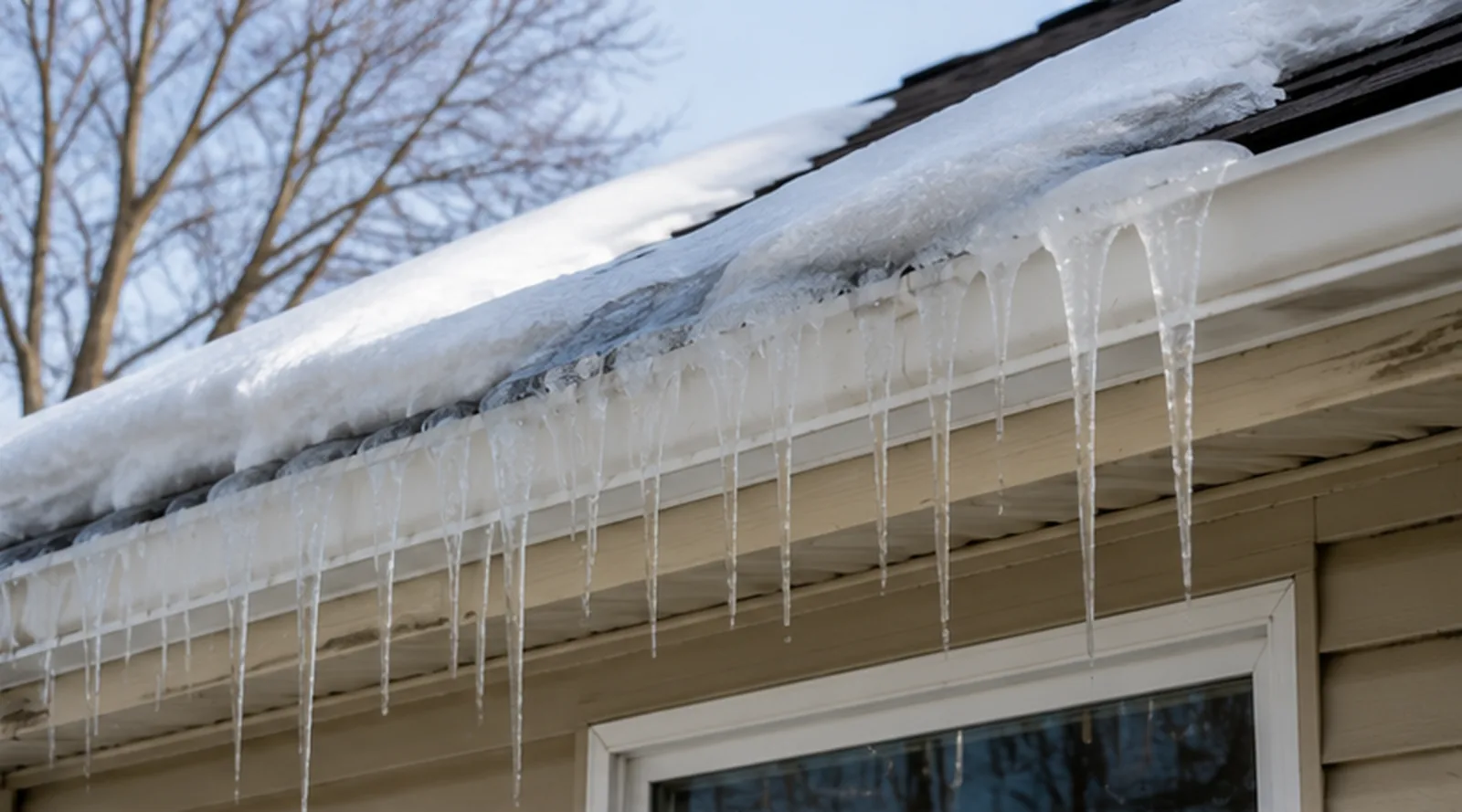
An unbalanced or blocked system traps moisture and heat, driving ice dams and shortening shingle life.
Vents clogged with paint, debris, or pest screening that strangle the intake airflow.
Insulation packed over the soffit vents because baffles are missing.
A ridge vent installed but the roof deck slot was never cut, so it vents nothing.
Ridge plus powered or box vents that pull air from each other instead of from the soffits.
Too much exhaust for the available intake, short-circuiting the airflow.
Too little total vent area for the attic size, especially on additions and remodels.
From outside we confirm soffit vents are present and clear, not painted or screened shut.
We confirm a ridge or roof vent exists and look for competing powered or box vents.
In the attic we confirm the ridge vent is open to the attic and intake actually reaches it.
The specific defect is photographed and prioritized in your 24-hour report for a roofer.
Vent problems sit at the center of roof ventilation problems, missing attic baffles, ice dams, and attic mold on sheathing. See how we check the system in our roof inspection and attic inspection, or browse the full defect library and complete home inspection. We serve Hutchinson and McLeod County.