✓ InterNACHI® Master Certified ✓ 120-Point Inspection ✓ Reports in 24 Hours
📞 (320) 674-7553
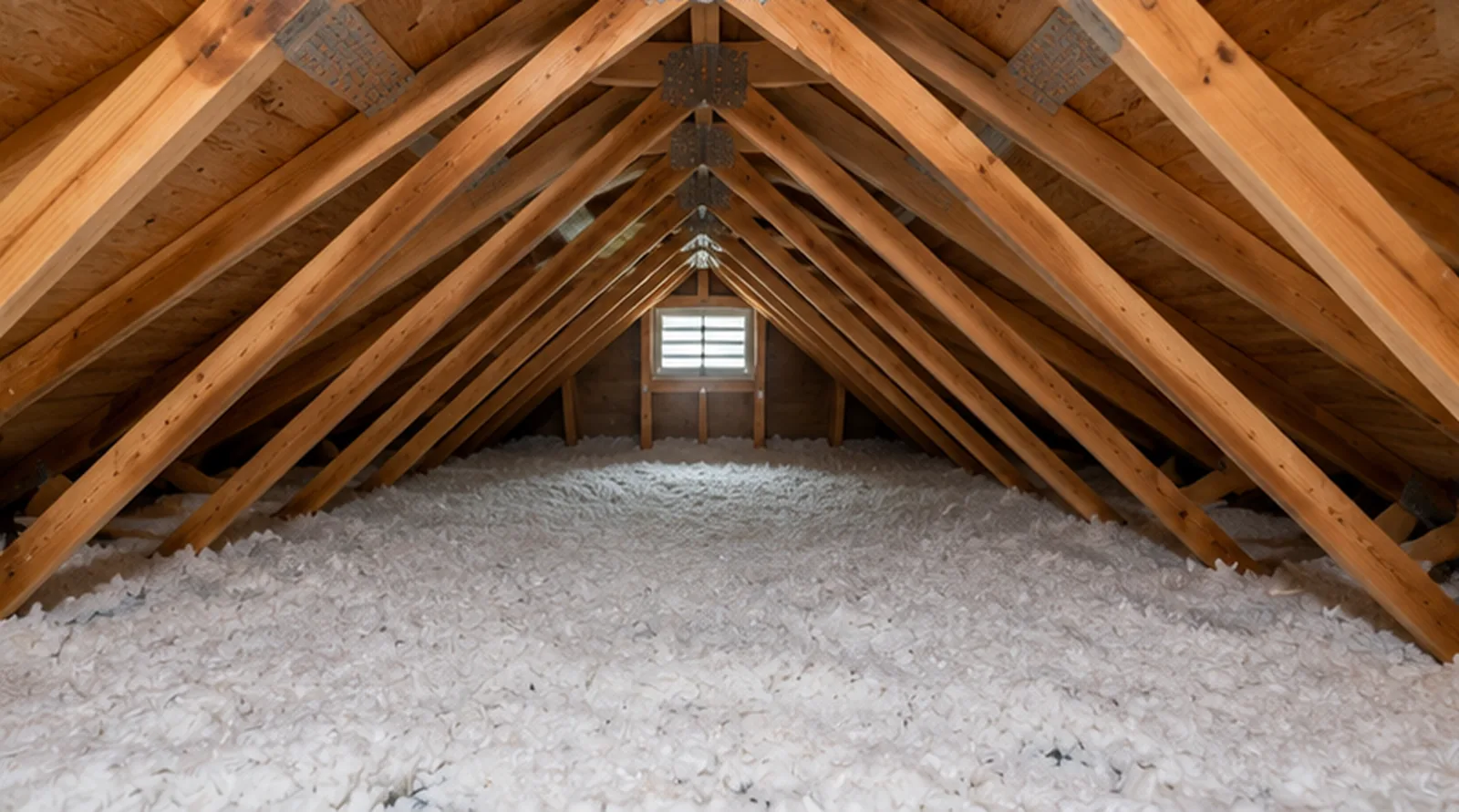
Attic sheathing inspected for mold in a Hutchinson, MN home
⬥ Learning Center · Spotting Trouble

What every buyer should know about mold.

Mold is common, it follows moisture, and it's almost always fixable. Here's how to think about it as a buyer — without panic, and without ignoring a real warning sign.

✓ InterNACHI® Master Certified✓ 120-point inspection✓ Reports in 24 hours
Free 2-Minute Quote

Concerned about mold? Get it tested.

Get a free instant quote that includes mold testing and find out what's really going on — with lab-backed answers, not guesswork.

The Short Answer

Mold is a moisture problem first.

Mold needs moisture to grow, so wherever you find it, there's a water issue feeding it — a leak, condensation, high humidity, or poor ventilation. That's the key insight for buyers: you don't just clean up mold, you fix the moisture source, or it comes back. A patch of mold isn't necessarily a dealbreaker, but it is a signal to find out where the water is coming from. See our mold testing service for how we evaluate it.

Where It Shows Up

Mold's favorite hiding spots.

Basements

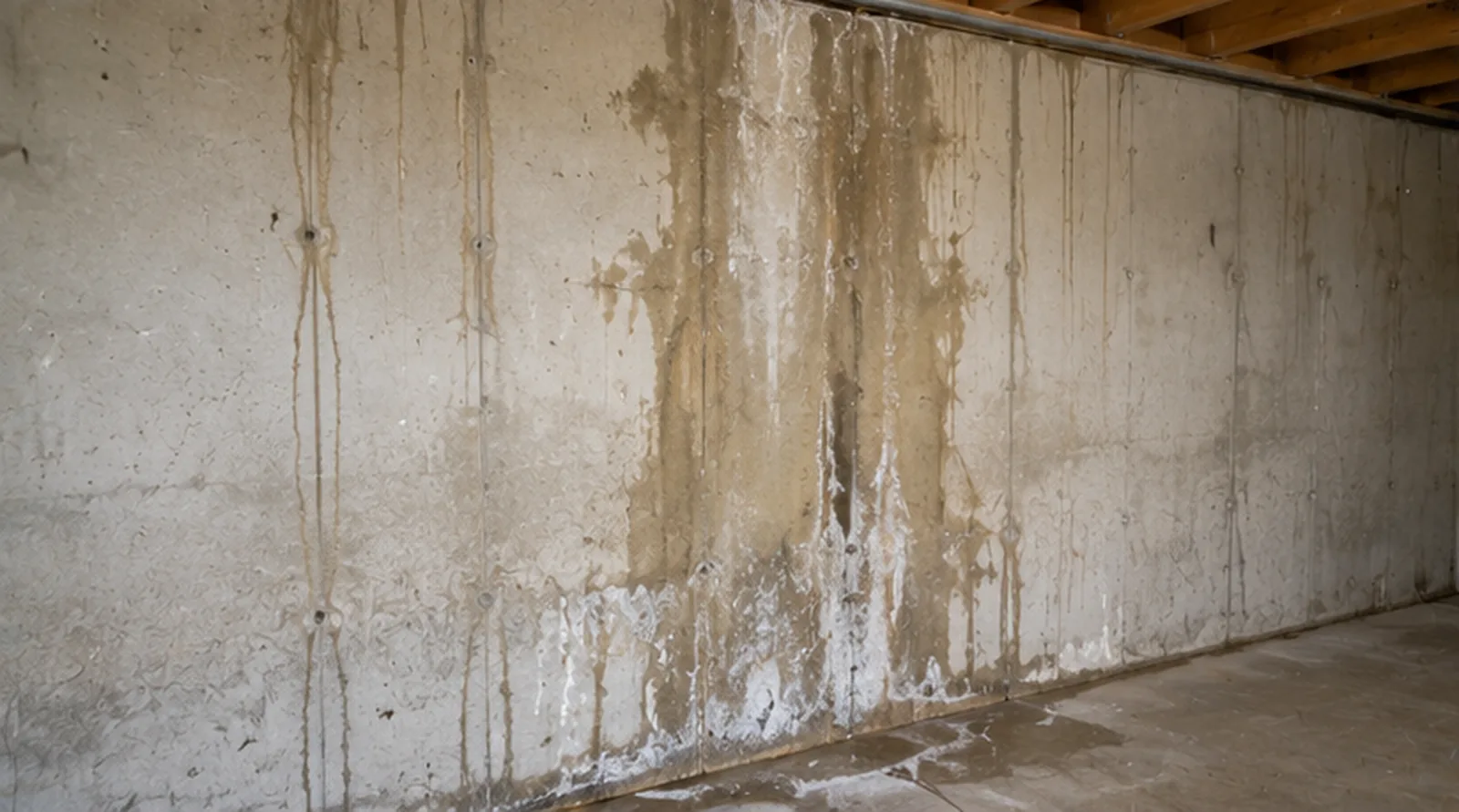
Cool, damp, and often poorly ventilated — a prime spot, especially with any seepage.

Attics

Poor ventilation and roof leaks lead to mold on the sheathing, common after ice dams.

Bathrooms

Showers and poor exhaust create the steady humidity mold loves; watch grout and ceilings.

Around windows

Condensation on cold windows feeds mold on sills and frames in winter.

Crawlspaces

Damp earth and weak ventilation make crawlspaces a frequent source of musty air.

Behind walls

Plumbing leaks can grow hidden mold inside wall cavities, detectable by smell or thermal imaging.

Testing & Next Steps

How to handle it as a buyer.

If you see or smell mold, don't panic and don't ignore it. Mold testing — air and surface sampling sent to a lab — confirms what's present and how widespread it is. From there you can have the moisture source fixed and the mold remediated, and negotiate those costs with the seller. The most important thing is to address the underlying water problem, because remediation without fixing the moisture is just a temporary cleanup.

Get Your Free Quote
Basement moisture staining associated with mold growth
FAQ

Common questions, answered.

Is mold a dealbreaker when buying a home?
Not usually. Mold is common and almost always fixable. What matters is finding and fixing the moisture source that's feeding it. A patch of mold is a signal to investigate, not an automatic reason to walk away.
Where does mold most often grow in a home?
In damp, poorly ventilated areas: basements, attics (especially after roof leaks or ice dams), bathrooms, crawlspaces, around cold windows, and inside walls where plumbing leaks. Moisture is always the common thread.
How is mold tested?
Mold testing uses air and surface samples sent to a lab to identify the type and concentration of mold present. It confirms whether there's an elevated problem and helps scope remediation.
Does a standard home inspection include mold testing?
No. A standard inspection notes visible mold and the moisture conditions that cause it, but lab analysis is a separate service. We offer mold testing as an add-on when there's reason to investigate.
How do I get rid of mold for good?
Fix the moisture source first — the leak, condensation, or ventilation problem — then remediate the mold. Cleaning mold without addressing the underlying water issue only works until the moisture returns.
Keep learning

Mold sits at the intersection of moisture, ventilation, and air quality. Browse the full Learning Center, explore our defect library, or see the complete 120-point home inspection. We serve Hutchinson and all of McLeod County.

Find the moisture, solve the mold.

Get Your Free Instant Quote
📞 Call Free Instant Quote