✓ InterNACHI® Master Certified ✓ 120-Point Inspection ✓ Reports in 24 Hours
📞 (320) 674-7553
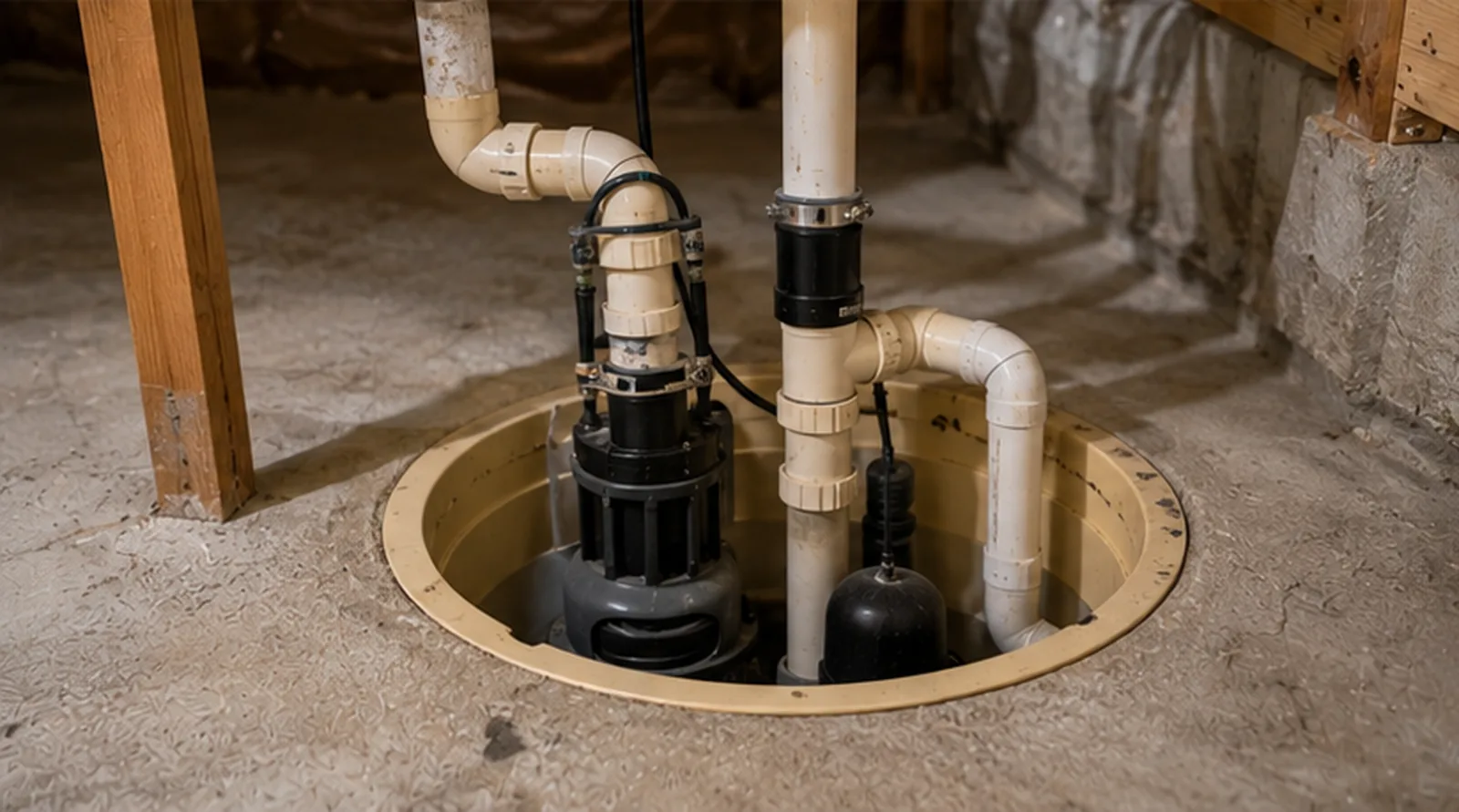
Basement of a Hutchinson, MN home where radon testing is performed
⬥ Learning Center · Minnesota Risks

Radon: the invisible risk in Minnesota basements.

Radon is a colorless, odorless radioactive gas — and Minnesota's geology produces a lot of it. Here's why every Hutchinson home should be tested, and what to do if levels are high.

✓ InterNACHI® Master Certified✓ 120-point inspection✓ Reports in 24 hours
Free 2-Minute Quote

Add radon testing to your inspection.

Get a free instant quote that includes radon testing and find out what's in the air you'll breathe every day.

The Short Answer

A natural gas that's a real health risk.

Radon is a naturally occurring radioactive gas produced as uranium in the soil breaks down. It seeps up from the ground and enters homes through foundation cracks, sump pits, and floor-wall joints, where it can accumulate to dangerous levels. The U.S. EPA identifies radon as the second-leading cause of lung cancer after smoking. You can't see it, smell it, or taste it — testing is the only way to know.

Why Minnesota

Our soil produces a lot of it.

The Minnesota Department of Health reports that more than two in five Minnesota homes have radon levels above the EPA action level of 4.0 pCi/L — far higher than the national average. Our glacial soils and the way homes are sealed tight against cold winters both contribute. McLeod County sits squarely in this high-radon region, so a Hutchinson home is statistically likely to have elevated radon until a test proves otherwise. New and old homes alike can be affected.

Get Your Free Quote
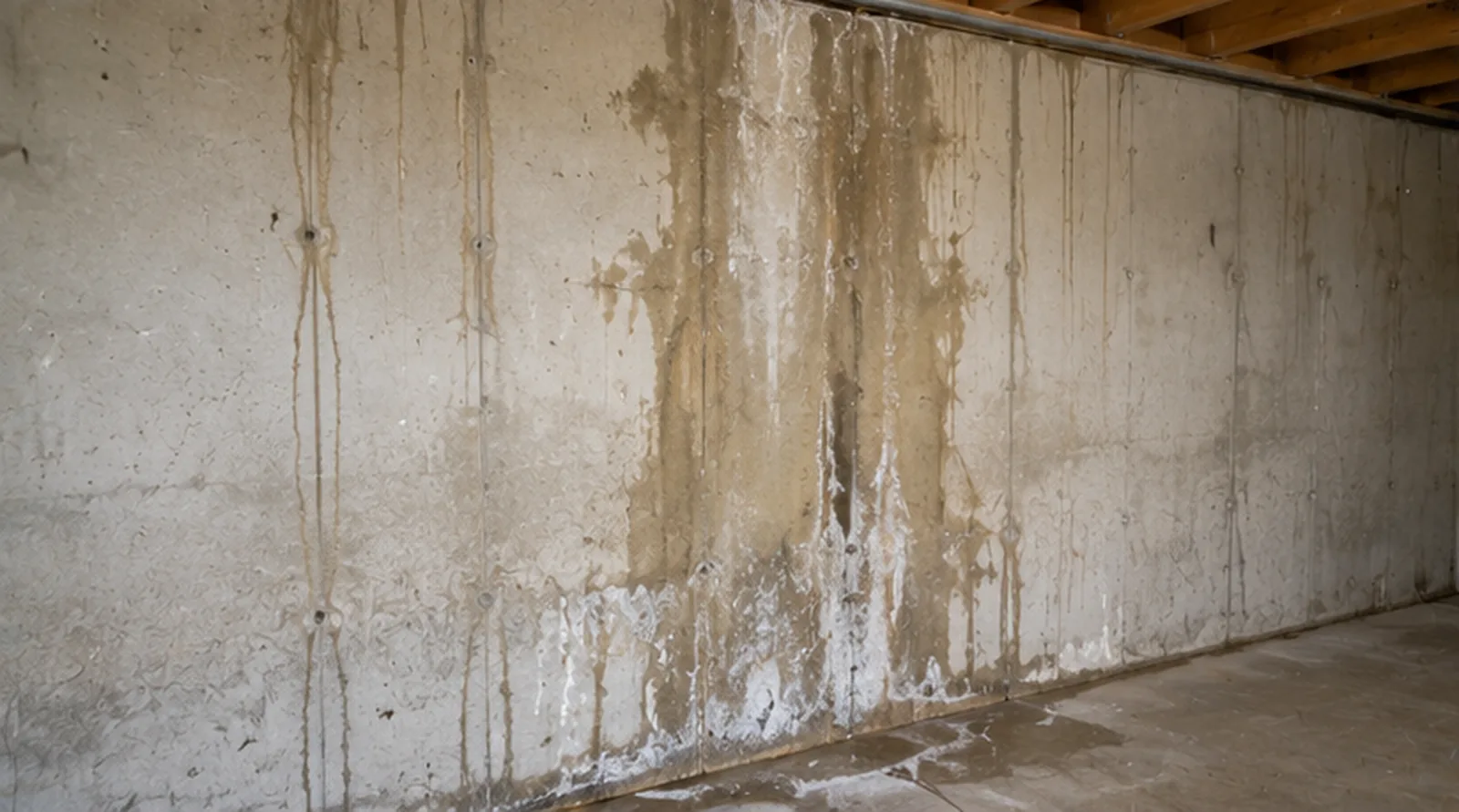
Basement wall and floor joint where radon can enter a Minnesota home
Testing & Mitigation

How it works.

Testing

A continuous radon monitor runs for a minimum of 48 hours in the lowest livable level to measure the average concentration.

The action level

The EPA recommends fixing homes at or above 4.0 pCi/L, and considering action between 2 and 4.

Mitigation

A sub-slab depressurization system — a fan and vent pipe — draws radon from under the foundation and exhausts it safely above the roof.

It works

A properly installed mitigation system typically cuts radon to well below the action level.

Re-test

After mitigation, a follow-up test confirms the system is doing its job.

Buying or selling

Radon results can be negotiated like any other inspection finding; mitigation is a known, solvable issue.

FAQ

Common questions, answered.

Is radon really a problem in Minnesota?
Yes. The Minnesota Department of Health estimates more than 40% of homes in the state have radon levels above the EPA action level — one of the highest rates in the country. McLeod County is in a high-radon region.
How do I know if my home has radon?
The only way is to test. Radon is invisible and odorless. A continuous monitor placed in the lowest livable level for at least 48 hours measures the average level so you know where you stand.
What level of radon is dangerous?
The EPA recommends taking action at 4.0 pCi/L or higher, and considering it between 2 and 4. There is no completely safe level, but mitigation reliably brings high readings down.
Can high radon be fixed?
Yes, and reliably. A radon mitigation system uses a fan and vent pipe to draw the gas from beneath the foundation and release it above the roof. A follow-up test confirms it worked.
Should I test even in a newer home?
Yes. New homes can have elevated radon too, sometimes more, because they're sealed tightly for energy efficiency. Age of the home is not a reliable predictor — only a test is.
Keep learning

Radon is one of several Minnesota-specific risks worth understanding. Browse the full Learning Center, explore our defect library, or see the complete 120-point home inspection. We serve Hutchinson and all of McLeod County.

Know what's in your air before you move in.

Get Your Free Instant Quote
📞 Call Free Instant Quote