What are the first signs of water damage?
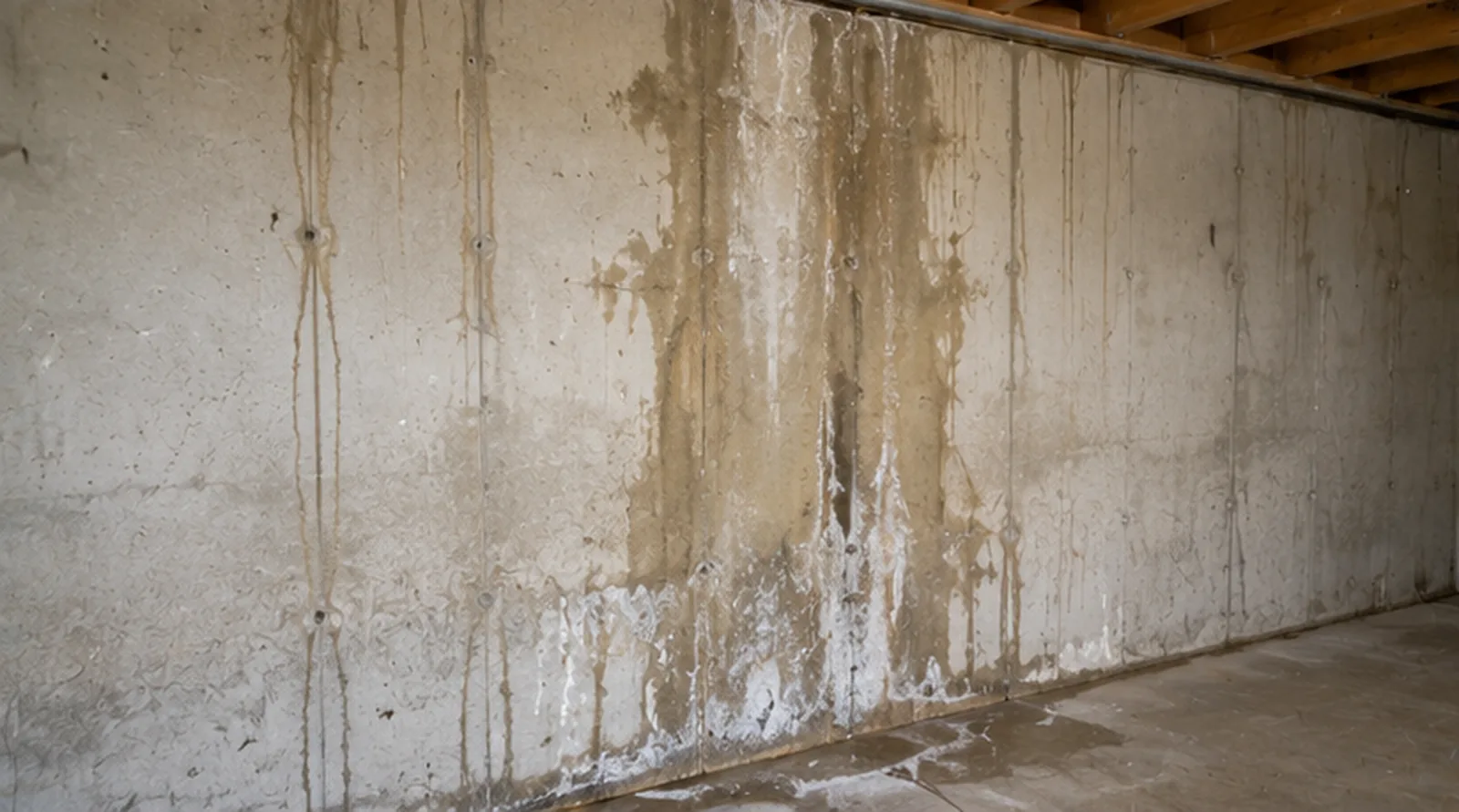
Discoloration or staining on ceilings and walls, a persistent musty smell, peeling or bubbling paint, and surfaces that feel damp or soft are the most common early signs. White efflorescence on basement walls is another telltale clue.
Why does a water stain appear far from the leak?
Water travels along framing, pipes, and the underside of surfaces before it pools and shows itself, so the visible stain is often well away from where the water actually enters. Tracing it to the source is part of a thorough inspection.
Is a musty smell a sign of a problem?
Often yes. A persistent musty, earthy odor usually means there's hidden moisture, which can lead to mold. Basements and crawlspaces are common culprits and worth investigating.
Can an inspection find hidden water damage?
Yes. A thorough inspection looks for stains, moisture, and the conditions that cause it, and thermal imaging can reveal damp areas behind walls and ceilings that aren't visible to the naked eye.
What should I do if I find water damage?
Identify and stop the source first, then assess the extent. If it's significant or you suspect hidden moisture or mold, a professional inspection — with thermal imaging and moisture testing — helps you understand how serious it is.