✓ InterNACHI® Master Certified ✓ 120-Point Inspection ✓ Reports in 24 Hours
📞 (320) 674-7553
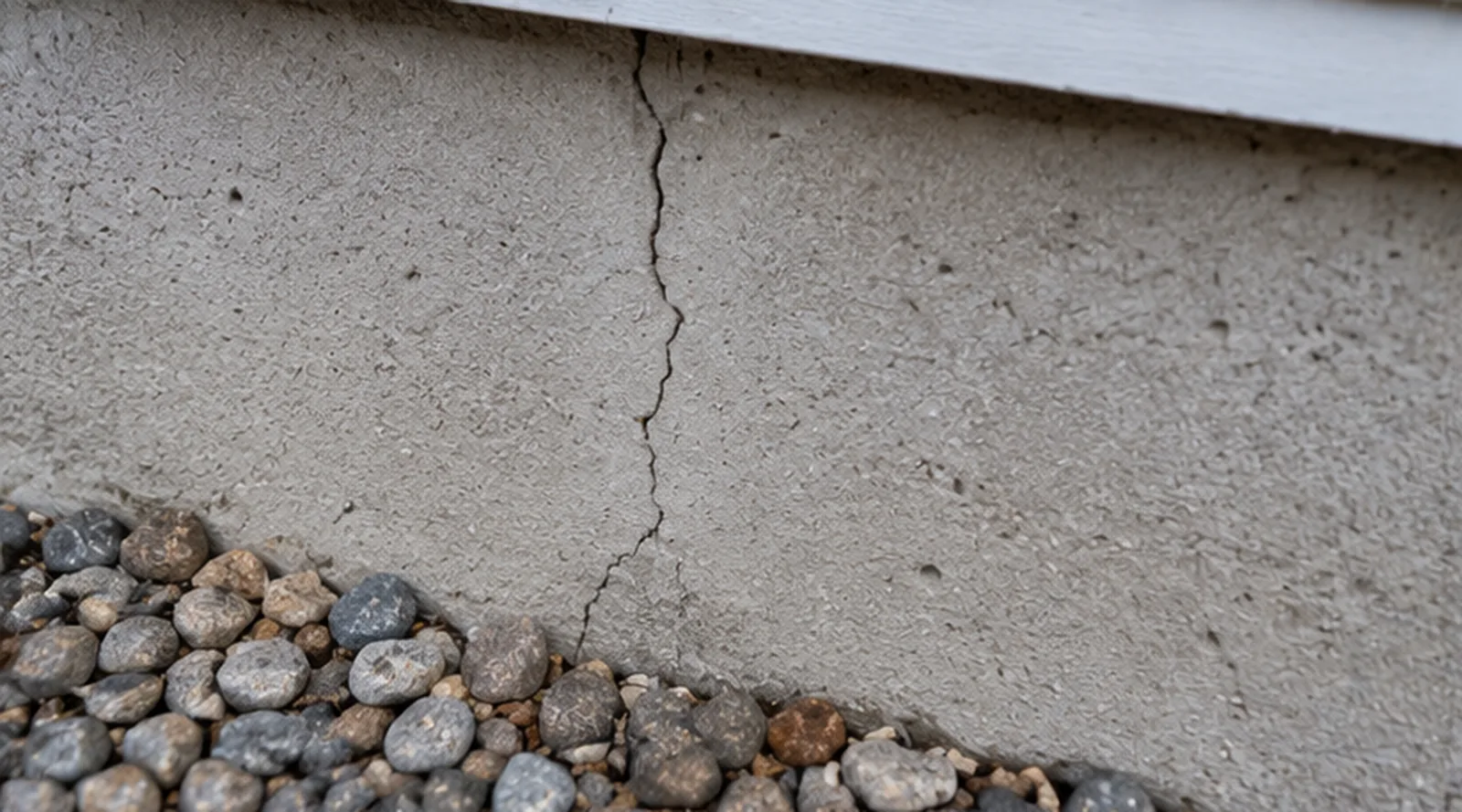
Hairline foundation crack found during a Hutchinson, MN home inspection
⬥ Learning Center · Spotting Trouble

The warning signs of foundation problems.

Not every crack is a crisis, but some are. Here's how to tell a harmless hairline from a structural red flag — and what Minnesota's freeze-thaw cycles do to foundations.

✓ InterNACHI® Master Certified✓ 120-point inspection✓ Reports in 24 hours
Free 2-Minute Quote

Worried about a crack? Get it evaluated.

Get a free instant quote. Our inspection documents foundation cracks with photos and clear severity notes so you know what you're dealing with.

The Short Answer

Location and shape matter most.

Most homes develop some foundation cracks over time, and many are harmless shrinkage cracks. The ones that matter are about pattern and movement: horizontal cracks, stair-step cracks in block walls, cracks wider than a quarter inch, and any wall that's bowing inward. In Minnesota, the relentless freeze-thaw cycle and expansive soils put real pressure on foundations, so these signs deserve a careful look.

Signs to Watch For

What points to a foundation issue.

Horizontal cracks

A horizontal crack in a basement wall can mean soil pressure is pushing the wall in — a structural concern.

Stair-step cracks

Diagonal, stair-step cracking through block mortar joints often signals settlement.

Bowing walls

A basement wall that bulges or leans inward is under pressure and needs prompt evaluation.

Sticking doors & windows

Doors and windows that suddenly stick or won't latch can mean the frame has shifted.

Sloping floors

Floors that slope or feel uneven may reflect foundation movement below.

Gaps & separations

Gaps where walls meet ceilings, or trim pulling away from walls, suggest the structure is moving.

The Minnesota Factor

Freeze-thaw and frost heave.

Minnesota's deep frost line means soil around a foundation freezes, expands, thaws, and settles every year. This freeze-thaw cycle and frost heave can crack and shift foundations over time, especially where drainage is poor and water saturates the soil before it freezes. That's why grading and drainage are so closely tied to foundation health — keeping water away from the foundation is one of the best things you can do for it.

Get Your Free Quote
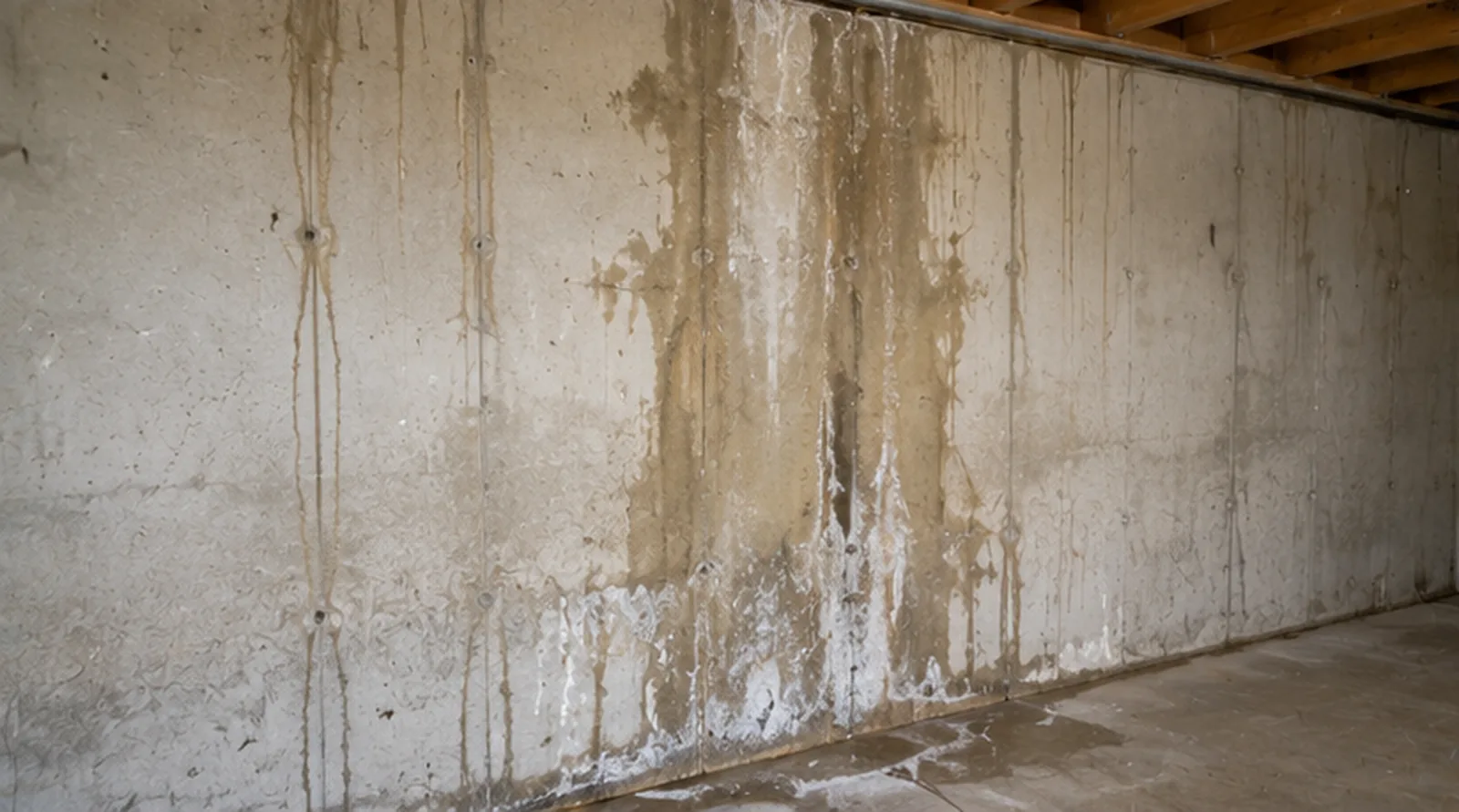
Basement wall with staining, evaluated alongside foundation condition
FAQ

Common questions, answered.

Are all foundation cracks serious?
No. Many are harmless shrinkage or settling cracks. The concerning ones are horizontal cracks, stair-step cracks in block, cracks wider than about a quarter inch, and any wall that is bowing or leaning — these can indicate structural movement.
What does a horizontal crack mean?
A horizontal crack in a basement wall often means soil and water pressure outside is pushing the wall inward. It's one of the more serious patterns and should be evaluated by a professional promptly.
Why do Minnesota homes get foundation problems?
Our deep frost line means the soil around foundations freezes and expands, then thaws and settles every year. This freeze-thaw cycle and frost heave, especially with poor drainage, stress foundations over time.
Can a home inspection assess my foundation?
Yes. A home inspection documents visible foundation cracks, bowing, settlement, and related signs with photos and severity notes, and recommends a structural engineer when a finding warrants a deeper look.
How can I protect my foundation?
Keep water away from it: maintain grading that slopes away from the house, keep gutters clean, extend downspouts, and address basement moisture. Controlling water is the single best way to protect a foundation.
Keep learning

Foundation health is tightly linked to water and winter. Browse the full Learning Center, explore our defect library, or see the complete 120-point home inspection. We serve Hutchinson and all of McLeod County.

Know if it's a crack — or a crisis.

Get Your Free Instant Quote
📞 Call Free Instant Quote